In the world of agriculture and industry, Nitrate No3 plays a crucial role. This compound is essential for plant growth and is widely used in fertilizers. However, finding a reliable supplier can be challenging. Global buyers need a guide to navigate the market.
The 2026 Best Nitrate No3 Supplier Guide aims to address these concerns. It offers insights into reputable suppliers worldwide. Potential challenges exist, such as fluctuating prices and quality control issues. Buyers must exercise caution and conduct research before making decisions.
Understanding Nitrate No3 and its applications will empower buyers. They need to consider various factors: sourcing methods, transportation logistics, and environmental regulations. This guide intends to provide the knowledge necessary for informed decision-making. Reliable information can enhance procurement strategies while minimizing risks.
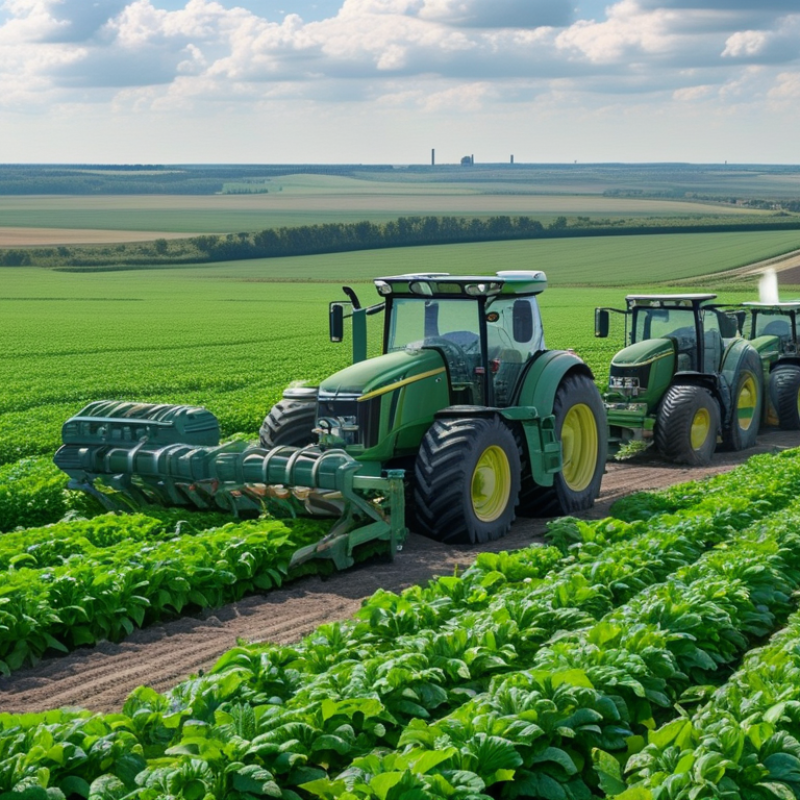
Nitrate (NO3) is a vital compound widely used in agriculture and industry. It serves multiple purposes, from fertilizers to food preservation. Farmers depend on nitrates to boost soil fertility. This reliance highlights the need for quality suppliers in the market.
In the agricultural sector, nitrates enhance crop yield significantly. They help plants absorb essential nutrients effectively. However, the overuse of nitrates can lead to soil degradation and environmental issues. This creates a complex challenge for industries. Striking a balance between need and sustainability is crucial.
Beyond agriculture, nitrates find applications in pharmaceuticals and food processing. They are used in preservative formulations, affecting food quality and safety. Buyers must be aware of the varying regulations surrounding nitrate use globally. Proper sourcing is critical to ensure compliance and maintain product integrity. Many suppliers may not meet stringent quality standards, leading to doubt. Reliability in this supply chain remains a pressing concern for global buyers.
| Country | Annual Production (tons) | Application Areas | Market Share (%) | Export Value (USD Million) |
|---|---|---|---|---|
| United States | 3,500,000 | Agriculture, Food Preservation | 25% | 450 |
| China | 4,000,000 | Fertilizers, Industrial Chemicals | 30% | 600 |
| Brazil | 2,500,000 | Agriculture, Water Treatment | 15% | 300 |
| Germany | 2,000,000 | Industrial Applications, Environmental | 10% | 250 |
| India | 1,800,000 | Fertilizers, Pharmaceuticals | 8% | 200 |
When choosing a nitrate No3 supplier, discerning global buyers should focus on several key criteria. Quality of the product is paramount. Nitrates can vary significantly in purity and concentration. A reputable supplier should provide certifications confirming the product's quality. According to industry reports, nearly 30% of suppliers do not meet standard purity levels. This discrepancy can affect agricultural yields and product efficacy.
Pricing can also reflect quality. Suppliers offering unusually low prices may compromise on product standards. Buyers must evaluate cost against quality to make informed decisions. Additionally, consider the supplier's capacity to meet demand. Some suppliers may struggle to fulfill large orders consistently, affecting supply chain reliability.
Tips: Always request sample products before making bulk purchases. Verify supplier references and assess their track record. Engage with suppliers directly to understand their sourcing practices. This dialogue can provide insights into their operational integrity. Consider using industry-specific platforms for supplier evaluations. Engaging with consultants can uncover supplier reputations and hidden challenges. Being thorough in the selection process is vital to avoid costly mistakes.
The global market for nitrate NO3 is continually evolving, with significant players shaping its landscape. Recent data from industry reports indicates that the demand for nitrate products is expected to grow by approximately 4% annually through 2026. Factors driving this growth include increased agricultural activities and the rising need for fertilizers worldwide.
A robust analysis of market presence shows that North America and Europe are key regions. In North America, a rise in environmentally friendly agricultural practices is pushing nitrate suppliers to innovate. European markets focus on sustainable sourcing, driven by regulatory frameworks. However, challenges persist, including fluctuations in raw material costs and the need for stringent environmental compliance.
Many suppliers are improving their supply chain transparency. This builds trust among buyers and meets increasing consumer demand for sustainability. Yet, not all suppliers have adapted effectively. Market players must continually assess their practices to stay competitive. Developing strategic partnerships and investing in technology could offer solutions to overcome these ongoing challenges.
In recent years, sustainability practices in nitrate production have gained significant attention. The global demand for Nitrate No3, primarily used in agriculture, necessitates responsible sourcing and manufacturing. According to a report by the International Fertilizer Association, roughly 50% of the world's nitrate is produced using sustainable methods. This includes recycling wastewater and utilizing renewable energy sources. Effective resource management is key to maintaining ecological balance.
The rise of eco-friendly production processes is not without challenges. Many producers still rely on traditional methods that generate higher carbon emissions. It's estimated that around 30% of global nitrate production is associated with significant environmental impacts. This raises questions about industry practices. Transitioning to greener methods requires investment and regulatory support. Industry experts emphasize the importance of innovation to improve sustainability.
Another crucial point is the traceability of raw materials. Reports suggest that approximately 40% of buyers prioritize sourcing from suppliers who demonstrate clear sustainability commitments. The lack of transparency in production can deter environmentally conscious companies. Logs and audits are necessary for establishing trust. Despite progress, the industry must enhance communication about sustainable practices. Balancing demand with responsible production remains a complex and ongoing task.
The global nitrate (NO3) market is experiencing notable shifts. According to a recent report by Grand View Research, the nitrate supply is expected to grow at a CAGR of 4.1% from 2023 to 2028. This growth is primarily driven by increasing agricultural demands worldwide. Fertilizer production remains the largest end-use segment, accounting for approximately 57% of the total nitrate consumption.
Sustainability is emerging as a key trend in nitrate supply dynamics. The rise in organic farming practices has led to greater scrutiny on chemical inputs. A report from Agridata indicates that over 23% of farmers are seeking alternative nitrate sources that meet organic standards. This search for sustainable options may challenge traditional supply chains.
Furthermore, geopolitical factors are influencing nitrate sourcing. Trade tensions and policy changes can disrupt the availability of key raw materials. According to the International Fertilizer Association, regions heavily reliant on imports are particularly vulnerable. Supply chain reliability issues could lead to increased prices and affect overall market stability.
: Nitrate is widely used in agriculture as a fertilizer and in food preservation.
Nitrates enhance nutrient absorption in plants, leading to significantly improved crop yield.
Overuse of nitrates can lead to soil degradation and other environmental problems.
Proper sourcing ensures compliance with regulations and maintains product integrity in the market.
The demand for nitrate products is projected to grow by about 4% annually through 2026.
North America and Europe are significant regions influencing the global nitrate market landscape.
Some suppliers innovate to meet the demand for environmentally friendly practices.
No, not all suppliers have adjusted well to market demands or sustainability requirements.
Investing in technology helps suppliers improve practices and enhance supply chain transparency.
Buyers need to be aware of varying regulations and ensure suppliers meet quality standards.
The article titled "2026 Best Nitrate No3 Supplier Guide for Global Buyers" provides a comprehensive overview of Nitrate No3, highlighting its significant applications across various global markets. It discusses the critical criteria that buyers should consider when selecting a reliable Nitrate No3 supplier, emphasizing quality, pricing, and logistical capabilities.
Furthermore, the article identifies some leading global suppliers in the Nitrate No3 market, detailing their market presence and the sustainability practices they employ in production. As demand for Nitrate No3 continues to evolve, the piece also explores future trends in supply and demand dynamics, urging stakeholders to adapt to changing market conditions while maintaining environmentally responsible practices.

Yanxatech