Explore our industrial-grade liquid elastomer products engineered for structural toughening, high elasticity adhesives, coatings, and demanding military or civil polymer applications.
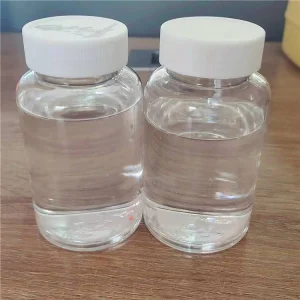
High compatibility formulation offering optimal toughness and matrix enhancement for complex industrial epoxies.
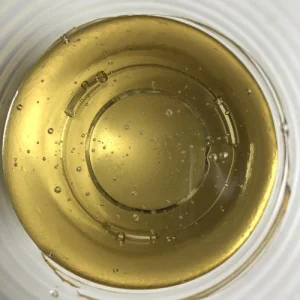
Random copolymer designed for high elasticity, cold resistance, and outstanding dielectric attributes.
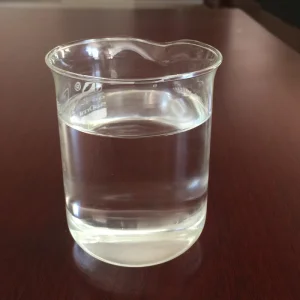
Uniquely structured liquid nitrile rubber providing superior oil resistance, flexibility, and heat resilience.
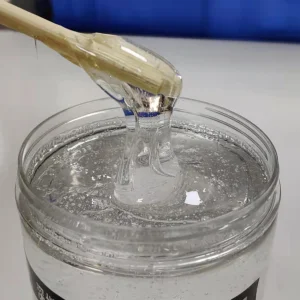
The premier epoxy toughener. Enhances fracture energy, adhesion strength, and thermal fatigue resistance.
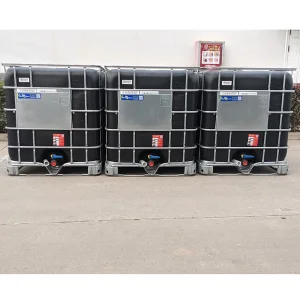
Amine functionality allows rapid crosslinking in thermosetting resins, improving impact and crack growth resistance.
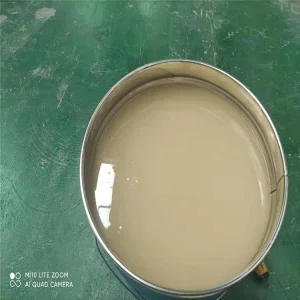
Premium vinyl structure designed for specialized propellant binders and high-frequency electrical substrates.
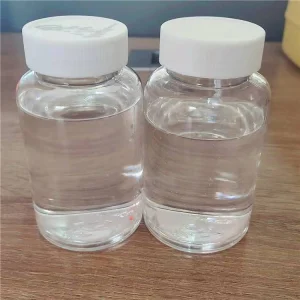
Highly reactive functional groups provide outstanding metal adhesion and act as effective polymer compatibilizers.
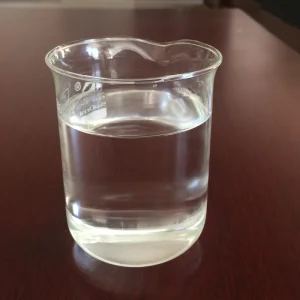
Low-molecular weight formulation optimizing rubber compound processability and filler dispersion.
Liquid rubber is not a single compound but an extensive class of low-molecular-weight reactive elastomers (often termed telechelic polymers) designed to remain in a liquid or highly viscous state at ambient temperatures. Unlike high-molecular-weight solid rubbers, which require heavy mechanical mastication and energy-intensive compounding, liquid rubbers can be poured, cast, injected, or seamlessly blended with other monomeric matrices.
Our product classifications focus heavily on functionalized liquid diene polymers, which are tailored to respond to specific chemical environments:
| Elastomer Type | Terminal/Reactive Group | Primary Industrial Use Case | Key Performance Attribute |
|---|---|---|---|
| CTBN | Carboxyl (-COOH) | Structural Adhesives, Epoxy Coatings | Maximum Fracture Energy & T-Peel Strength |
| HTBN / HTBS | Hydroxyl (-OH) | Polyurethane Modification, Sealants | Outstanding Low Temp Flexibility |
| ATBN | Amino (-NH / -NH2) | Composite Matrices, Potting Compounds | Fast Room-Temperature Curing Integration |
| MLPB | Maleic Anhydride | Polymer Compounding, Wire Insulations | Enhanced Metal-Polymer Adhesion Promoters |
In the current macroeconomic climate, global chemical procurement is undergoing a paradigm shift. Buyers in North America, Europe, and Asia-Pacific are moving away from single-source procurement toward high-resilience supply architectures. Key forces driving this shift include:
Liquid rubber materials, particularly those classified under military or aerospace control lists (such as HTPB or specific HTBN grades), are subject to strict export regulations and compliance frameworks. Procurement managers face the challenge of securing reliable, long-term supply sources that can consistently provide high-purity chemical intermediates without regulatory or logistical bottlenecks.
Furthermore, fluctuations in monomer pricing—such as butadiene and acrylonitrile—directly impact the price of functionalized liquid rubbers. Securing factory-direct pricing and guaranteed volume commitments from robust manufacturers like Yanxatech System Industries Limited is becoming a primary risk-mitigation strategy.
At the heart of the modern chemical supply chain is the transition of Chinese chemical manufacturing into the "Industry 4.0" era. This transition is characterized by automated continuous polymerization reactors, closed-loop PLC systems for precise molecular weight distribution control, and real-time gas chromatography monitoring.
Yanxatech System Industries Limited (YANXA) has grown from a fledgling business unit in 2008 into a leading supplier of specialty materials in China. Driven by a passion for developing the international chemical and mechanical industry markets, YANXA's team delivers exceptional specialty chemicals, high-purity gases, and metal powders worldwide.
Beyond our primary liquid rubber materials, our factory partnerships and internal development enable us to supply a wide array of high-purity chemical intermediates and industrial materials:
High-purity formaldehyde solutions, Paraformaldehyde Powder (92% & 96% grades), and Hexamethylenetetramine (Hexamine/HMTA) serving as critical catalysts and raw materials in resin synthesis.
Atomized Spherical Aluminum Magnesium Alloy Powders designed for pyrotechnic, propellant, and metallurgy applications demanding narrow particle size distributions.
Ultra-pure Xenon (5N, 5.5N, 6N), Sulfur Hexafluoride (SF6), Carbon Tetrafluoride (CF4), and Ultra-pure Oxygen (O2) optimized for semiconductor and high-voltage electrical equipment applications.
In modern automotive assembly lines across Europe and North America, structural crash-durable adhesives require high peel strength and crash-impact resistance. Formulators utilize 15-20% Carboxyl-Terminated Nitrile Butadiene Rubber (CTBN) to modify standard Bisphenol-A epoxy resins. The CTBN forms micro-domains that deform under impact, dispersing energy and preventing catastrophic adhesive joint failures.
Hydroxyl-terminated polybutadiene (HTPB) and Hydroxyl Terminated Butadiene-Styrene (HTBS) function as polymeric binders for solid propellants and rocket motor insulation. The hydroxyl groups react with diisocyanate curatives to form a polybutadiene-polyurethane matrix. This matrix must withstand extreme temperature fluctuations (from -60°C to high combustion zones) without cracking or debonding from the motor casing.
In humid climates such as Southeast Asia, delicate electronic control units (ECUs) require potting compounds that block moisture ingress and withstand thermal cycling. Utilizing amino-terminated liquid nitrile rubbers (ATBN) and low-molecular-weight specialty polyethers, engineers formulate high-performance potting systems that exhibit minimal volume shrinkage, low dielectric constant, and excellent thermal cycling resilience.
As part of our commitment to full transparency and providing complete chemical profiles for global procurement, we maintain detailed specifications for our primary non-rubber specialty chemical offerings:
Formaldehyde is a colorless, highly reactive gas easily polymerized and soluble in water, alcohol, and ether. In industrial supply chains, it is commonly supplied in liquid form as Formalin (a 37-50% aqueous formaldehyde solution stabilized with a small percentage of methanol to prevent precipitation). Boiling Point: 96°C; Relative Density: 0.815 (-20°C); Flash Point: 55°C.
Produced by condensing formaldehyde and ammonia, Hexamine is a white crystalline powder (CAS No. 100-97-0; Molecular Formula: C6H12N4; Molecular Weight: 140.19 g/mol). It acts as an essential curing agent for novolak phenolic resins and a key intermediate in chemical synthesis.
Paraformaldehyde is the solid polymer of formaldehyde with a typical polymerization degree of 8-100 units. It volatilizes easily to release active formaldehyde gas.
| Item / Specification | High-Grade Paraformaldehyde | Standard-Grade Paraformaldehyde |
|---|---|---|
| Appearance | White Powder / Solid | White Powder / Solid |
| Content (Active Ingredient) | ≥ 96% | ≥ 92% |
| Solubility Time | ≤ 40 minutes | ≤ 40 minutes |
| Formic Acid Content | ≤ 0.05% | ≤ 0.05% |
| pH Range | 5 - 7 | 5 - 7 |
Get answers to the most common queries regarding our liquid rubber formulations, compliance, shipping, and quality standards.
Our prices are subject to change depending on global monomer supply (butadiene, acrylonitrile), volume commitments, and current shipping rates. Contact our sales office for an updated and customized price list based on your specific purity and functionalization requirements.
Yes, we require all international orders to have an ongoing minimum order quantity (MOQ) to optimize freight efficiency and raw material allocation. Smaller test batches can be arranged under specific trial conditions. Please consult our logistics team for more information.
We provide comprehensive technical packages including Certificates of Analysis (COA), Certificates of Conformance (COC), safety data sheets (SDS) compliant with GHS, export customs clearance documentation, certificates of origin, and specialized shipping insurance certificates as requested.
For standard product samples, the typical lead time is approximately 7 days. For bulk mass production, lead times range between 20 to 30 days following receipt of deposit and final approval of specifications. We strive to align our manufacturing schedules with your supply chain deadlines.
We accept payments made directly to our verified bank account. The standard terms are a 30% deposit in advance, with the remaining 70% balance due against the copy of the Bill of Lading (B/L) via T/T, or via Letter of Credit (L/C) at sight.
Yes, safety is a cornerstone of our operations. We utilize high-quality, international-standard export packaging, specialized hazard containment for dangerous goods, and climate-controlled shipping setups for temperature-sensitive liquid elastomers. Custom packing arrangements may incur additional charges.
Discover our specialty polyethers, high purity industrial gases, and liquid elastomers configured for demanding engineering tasks.
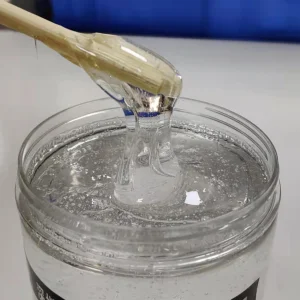
Carboxylated liquid nitrile copolymer optimizing adhesive peel characteristics and wear resistance.
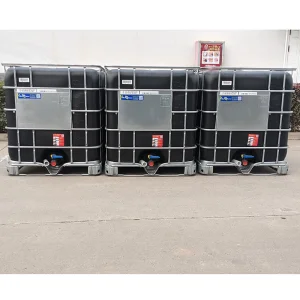
Specialized low molecular weight polyether polyols designed for polyurethane synthesis and coatings.
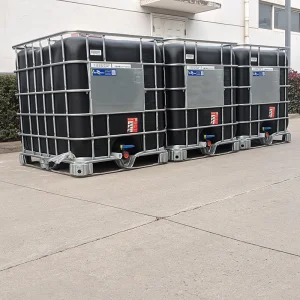
Advanced polyether intermediate providing high elasticity, strength, and structural integrity.
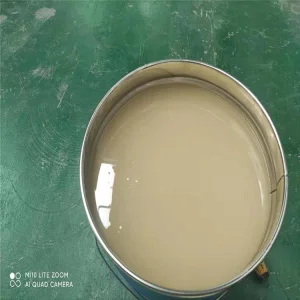
Universal performance polyether polymer suitable for a variety of elastomer modifications.
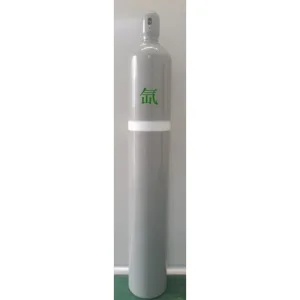
Ultra-pure noble gas designed for aerospace propulsion, medical imaging, and electronics manufacturing.
Elastomeric compound showcasing high double-bond density for modified thermoplastic blends.
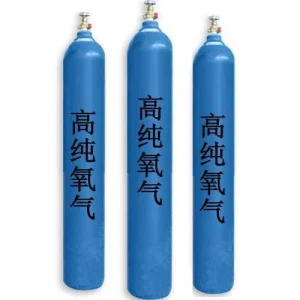
Strictly controlled ultra-high purity oxygen supply for specialized combustion and semiconductor oxidation.
High molecular stability liquid polymer offering enhanced heat ageing and low-temperature elastic recovery.
 Yanxatech