How to Source Iron 3 Nitrate in Bulk?

Time:2026-11-16 Author:Oliver
0%

Bulk purchasing Iron 3 Nitrate is not just a matter of finding the lowest price. Buyers need to match the material to its intended use, confirm the exact chemical form, and assess whether a supplier can deliver consistent quality. The name alone may not tell the whole story. Iron(III) nitrate is available in different forms, and specifications can vary between suppliers.

A useful inquiry begins with clear requirements: grade, assay, hydration state, quantity, packaging, and delivery schedule. Ask for a current certificate of analysis and safety data sheet, then compare those documents with your specification. Check how the product is packed and stored; intact, clearly labeled containers matter when drums arrive at a receiving dock. Request written confirmation of lead times and batch consistency. Small details count.

Price still matters. But so do reliable documentation, responsive technical support, and safe handling guidance. One point deserves a second look: a low quote may not include the same grade or packaging as a competing offer. Compare like with like.

No source article or verified expert quotation was provided, so I cannot responsibly attribute a statement to a named Iron 3 Nitrate specialist. Rather than invent a quote, this guide focuses on verifiable sourcing checks and practical questions buyers can ask before placing a bulk order.
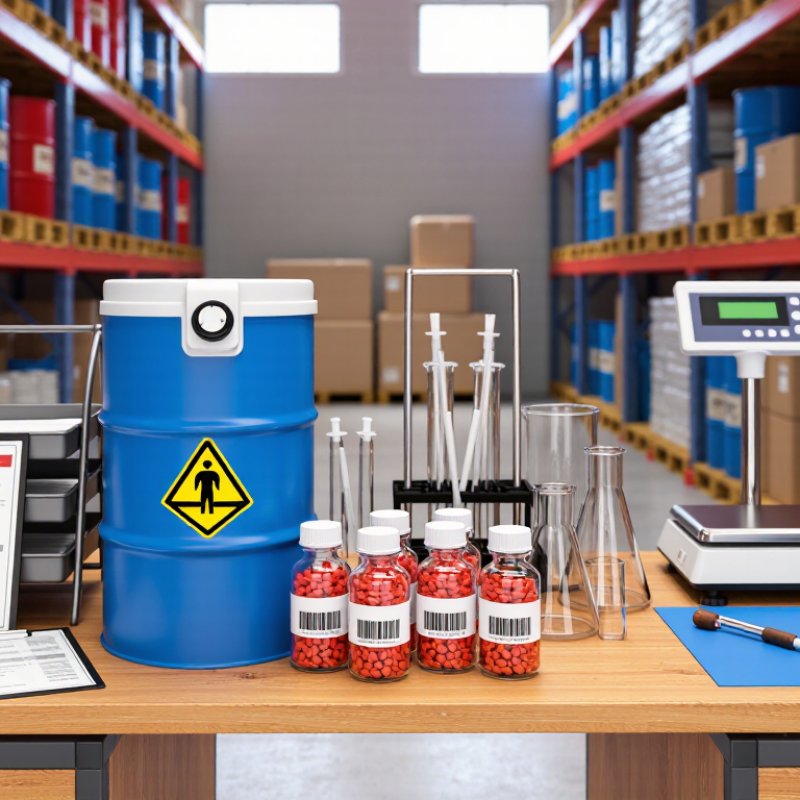
How to Source Iron 3 Nitrate in Bulk?

Identify the Required Grade, Hydration State, and Specifications

Before requesting bulk iron(III) nitrate, confirm the grade and exact chemical form. The common nonahydrate is Fe(NO₃)₃·9H₂O, but the anhydrous form has a different mass composition. Do not assume the product name identifies the hydrate. Water content affects calculations, storage, and downstream performance. A clear label matters.

Select a grade that matches the intended process, such as reagent or technical grade. Ask for the assay method and whether results are reported on an as-supplied or dry basis. Request a lot-specific certificate of analysis listing relevant limits for chloride, sulfate, insoluble matter, and trace metals. “High purity” alone is not a measurable specification. Set numerical limits where your process requires them.

Include packaging and storage details in the inquiry. Iron(III) nitrate is hygroscopic, so sealed, moisture-resistant packaging can help preserve consistency during storage. Check the safety data sheet and confirm suitable handling conditions; the material is an oxidizer. Compare quotations only when hydrate, grade, assay basis, and package size match. One detail is easy to miss: a low price may reflect a different water content. I would still review a representative sample or recent batch documentation before committing to a large order.

How to Source Iron(III) Nitrate in Bulk: Hydration State Matters

Theoretical formula masses are calculated from Fe(NO₃)₃ and Fe(NO₃)₃·9H₂O. When requesting a bulk quote, specify the required hydration state and grade, then confirm assay, impurity limits, packaging, and certificate-of-analysis requirements with the supplier.

Check Applicable Regulations and Safe-Handling Requirements

Before ordering iron(III) nitrate in bulk, verify the rules that apply at your location and facility. Requirements can differ by product form, quantity, and intended use. Rules vary by location. Request the current safety data sheet and confirm the exact chemical name, concentration, hydration state, and hazard classification. Do not rely on a catalog label alone. Check whether your site needs chemical inventory records, specific storage arrangements, trained handlers, or advance approval. Transport paperwork and labeling requirements may also depend on shipment size and destination.

Iron(III) nitrate can intensify combustion, so keep it away from combustible materials and incompatible chemicals. Store it in its original, clearly labeled container, following the supplier’s instructions for temperature, moisture, and ventilation. Keep the storage area orderly. Before delivery, confirm that staff know the required protective equipment and spill-response steps. Make sure the receiving area has suitable containment and that emergency contacts are easy to find. A small test shipment may help you check packaging and handling procedures before scaling up. That feels slower, perhaps, but bulk purchasing leaves less room for correcting a weak process.

Find Qualified Suppliers and Verify Their Credentials

Bulk sourcing iron(III) nitrate starts with a precise specification. State the required hydrate form, grade, assay range, packaging size, and delivery schedule. These details prevent quotations for different products from appearing comparable. Request a recent certificate of analysis for the exact production lot. Check its assay, appearance, test methods, and batch number against your purchase specification. Iron(III) nitrate can absorb moisture, so confirm the package liner, seal, and storage conditions.

Small details matter.

Supplier credentials need direct verification, not just a polished certificate. Ask for a current quality-management certificate and check its issuer, scope, validity, and certified site. ISO’s 2022 Survey reported 1,265,216 valid ISO 9001 certificates worldwide; that scale makes certificate checks useful, but certification alone does not prove product quality. Request a safety data sheet, traceability records, and recent test results. For independent testing, verify that the laboratory’s ISO/IEC 17025 accreditation covers the relevant method. Contact the certifying body when a document looks inconsistent.

Paperwork can still mislead. I would also compare a small trial order with the stated specification before committing to a large shipment.

Compare Bulk Pricing, Quality Documents, and Delivery Terms

When sourcing Iron(III) nitrate in bulk, compare like with like. Confirm the chemical formula, hydration state, assay, and intended grade before reviewing prices. Different forms or specifications can make a low quote misleading. Ask whether the price covers the stated quantity, packaging, and freight. Get the basis in writing. A drum price may not include delivery or special handling.

Request a lot-specific certificate of analysis, current safety data sheet, and product specification. Check the assay method, test results, and batch identification rather than relying on a generic sample document. Confirm that the offered material matches your process requirements. Details matter. If a supplier cannot clarify a specification, pause and ask; that delay is better than receiving material that does not fit. I would not treat a polished document as proof by itself.

Delivery terms deserve the same attention as price. Compare lead time, shipment size, packaging type, delivery location, and responsibility for freight and unloading. Ask how the material will be protected from moisture and whether the carrier and packaging meet applicable transport requirements. Confirm what happens if a shipment arrives late or damaged. A small order may reveal useful service details, though it may not predict bulk performance perfectly. Allow time to review the documents before dispatch.

Plan Shipment, Receipt, and Appropriate Storage

For bulk iron(III) nitrate, plan the delivery around the product’s exact form and packaging. Confirm the grade, lot documentation, safety data sheet, container sizes, and expected arrival date before dispatch. The material can absorb moisture, and its handling requirements depend on the supplied form. Keep containers sealed and protected during transit, with segregation guided by the safety data sheet and carrier requirements. Allow time to inspect the shipment before signing for it. Check labels, seals, paperwork, and visible container damage. Take photos if anything looks wrong. Small gaps in documentation can become awkward later.

At receipt, move the shipment to a designated area and compare each lot against the purchase records. Do not accept leaking or badly damaged packaging as routine. Follow site procedures and the safety data sheet for isolation and response. Store containers closed in a dry, well-ventilated location, away from incompatible materials identified in the documentation. Use suitable secondary containment, clear inventory labels, and a simple stock rotation record. Keep access limited to trained staff. Avoid repacking unless the process and new container are approved for the material. A tidy store helps, but it does not replace a compatibility check. Revisit the storage plan when package sizes or site conditions change.

FAQS

What should I verify before ordering iron(III) nitrate in bulk?

Check local and facility requirements, intended use, quantity, and product form. Request current safety documents.

Which product details should I confirm?

Confirm the chemical name, concentration, hydration state, grade, and hazard classification. A catalog label alone may not be enough.

How should bulk material be stored?

Keep it in its original, clearly labeled container. Follow supplier instructions for temperature, moisture, and ventilation. Keep it away from combustible materials and incompatible chemicals.

What should staff know before delivery?

Staff should understand required protective equipment and spill-response steps. Check that suitable containment and emergency contacts are available. Small details matter.

How can I compare bulk quotes fairly?

Compare matching specifications and quantities. Ask whether packaging, freight, and special handling are included. A low quote may leave out important costs.

What quality documents should I request?

Request a lot-specific certificate of analysis, current safety data sheet, and product specification. Check batch identification, test results, and assay method.

What delivery terms deserve attention?

Confirm lead time, shipment size, packaging, delivery location, freight responsibility, and unloading arrangements. Ask how the shipment will be protected from moisture.

Is a small test shipment useful before a bulk order?

It can help assess packaging and handling, but it may not predict bulk performance perfectly. Slower, perhaps. Still worth considering.

Conclusion

Sourcing Iron 3 Nitrate in bulk starts with defining the material requirements. Confirm the intended grade, hydration state, purity, and any limits for impurities or other properties, then make sure these specifications match the intended application. Before requesting quotations, review applicable regulations and workplace safety requirements, including suitable handling procedures, protective equipment, and documentation.

Next, assess potential suppliers by checking their qualifications, product traceability, and ability to provide consistent quality. Compare quotations alongside certificates of analysis, safety data sheets, packaging options, minimum order quantities, delivery schedules, and shipping terms rather than focusing on price alone. Plan the shipment and receiving process in advance, including inspection of containers and documents upon arrival. Store the material according to its safety documentation, in suitable, clearly identified packaging and conditions, with access controlled and appropriate precautions in place. These steps help buyers make a well-informed purchase while supporting reliable quality and safe handling.


Oliver

Oliver

Oliver is a seasoned marketing professional with a wealth of expertise in driving brand awareness and engagement. With a deep understanding of our company's product offerings, he consistently delivers high-quality content that enriches our professional blog. His insights not only shed light on......