Top High Nitrate Fertilizer Suppliers for Global Buyers

Time:2026-09-25 Author:Henry
0%

Choosing reliable High Nitrate fertilizer suppliers requires more than comparing prices on a spreadsheet. Global buyers must examine product consistency, nutrient analysis, logistics, and responsible sourcing practices. A supplier may offer calcium nitrate, potassium nitrate, or ammonium nitrate at an attractive price, yet weak documentation can create serious procurement risks. The small details matter. Check the certificate of analysis, packaging strength, batch numbers, and declared solubility before placing large orders.

Dr. Robert Mikkelsen, a respected soil fertility specialist, emphasizes, “Nitrogen management is a balancing act between crop needs, economic returns, and environmental stewardship.” This principle remains important when evaluating High Nitrate suppliers. Experienced exporters should explain how their products support fertigation, greenhouse production, and field applications. They should also provide clear technical data, responsive communication, and realistic delivery schedules. Claims without evidence deserve caution.

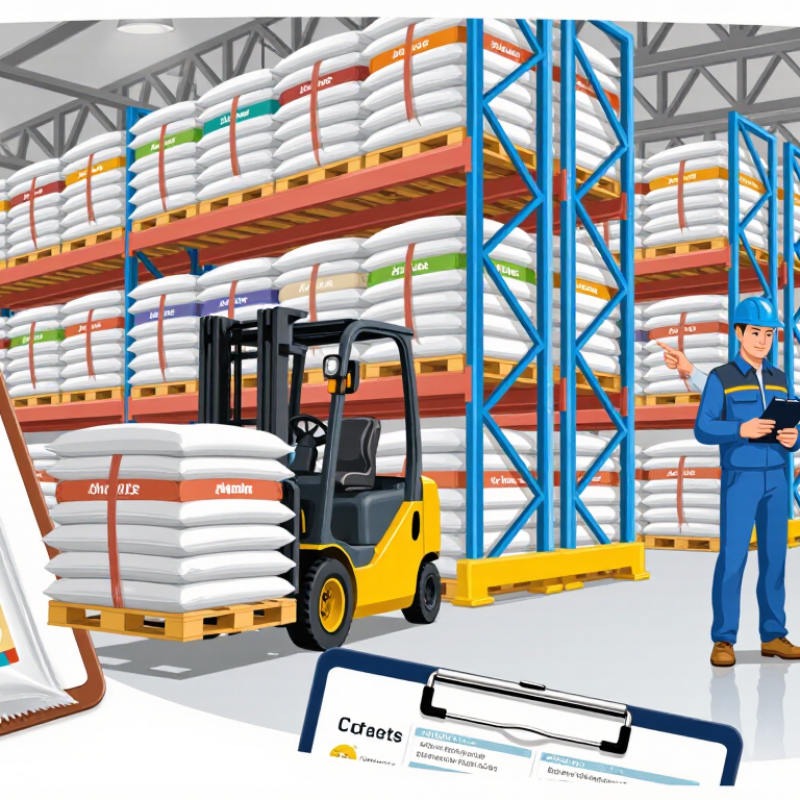
This guide reviews leading suppliers for international buyers. It considers manufacturing capacity, quality control, export experience, product range, and customer support. It also recognizes that no supplier is perfect. Delays happen. Specifications can vary. Buyers should verify current certifications, import requirements, and regional compliance independently. A dependable partnership grows through transparent records, consistent batches, and practical problem-solving. In a warehouse, that may mean dry, intact bags stacked on pallets, not merely attractive marketing language. The strongest suppliers understand this difference and build trust shipment by shipment.
Top High Nitrate Fertilizer Suppliers for Global Buyers

What High-Nitrate Fertilizers Are and How They Are Used

High-nitrate fertilizers supply nitrogen largely as nitrate, a form roots can absorb directly. Common examples include calcium nitrate and potassium nitrate; some fertilizers contain both nitrate and ammonium nitrogen. Nitrate moves easily in soil water, which can help crops take up nitrogen quickly. It can also move below the root zone after heavy rain or excess irrigation. Fast is useful, but not always forgiving.

Farmers use nitrate-rich products for side-dressing vegetables, feeding crops through drip irrigation, and correcting a diagnosed nitrogen shortage. A practical check: sample soil or plant tissue before adjusting a program, then match applications to crop stage and expected water use. IFA’s 2024 Medium-Term Fertilizer Outlook projected global fertilizer demand at about 205 million tonnes of nutrients in 2024/25; this covers all fertilizer forms, not nitrate products alone. That scale matters. So does local field behavior. In sandy soil, a large dose before rain may be lost; in a dry field, the same dose may not reach active roots. Details differ, and a recommendation can still miss the mark.

Key Criteria for Evaluating Global Nitrate Fertilizer Suppliers

Global buyers should assess nitrate fertilizer suppliers on verified product quality, not quoted price alone. The International Fertilizer Association’s May 2024 Short-Term Fertilizer Outlook estimated global fertilizer use at 192.5 million tonnes of nutrients in 2023/24, about 4% above the previous season. This covers all major fertilizer nutrients, not nitrate products specifically, but it signals a large and changing market. Demand figures do not guarantee reliable supply.

Ask for a recent certificate of analysis for each product and production lot. Check nitrogen content, moisture, physical form, and stated tolerances against your purchase specification. A clear batch number should connect the delivered bags or bulk shipment to test records. Paperwork matters. Where possible, request independent laboratory verification and review how the supplier handles out-of-specification cargo. A polished certificate is not proof by itself.

Evaluate shipment history, production capacity, and delivery terms alongside technical documents. Ask how the supplier protects product from moisture during storage and loading; damp granules can cake before arrival. Confirm packaging, port access, lead times, and procedures for delayed vessels. The OECD-FAO Agricultural Outlook provides broader context on agricultural input markets, but it cannot validate an individual supplier. That part needs direct checks. Compare references and sample results, while recognizing that one successful shipment may not predict the next.

Major Supplier Types and Regional Market Strengths

Global buyers usually meet three supplier types in the high nitrate fertilizer market. Integrated producers operate ammonia and nitric acid plants, offering stable volumes and consistent nutrient grades. Regional manufacturers often produce calcium ammonium nitrate, ammonium nitrate, or nitrate-based blends for nearby crops. Distributors provide smaller lots, storage, and inland delivery. The International Fertilizer Association’s 2024 market outlook expects global fertilizer demand to keep rising through 2028, although growth remains uneven across regions.

Regional strength depends on feedstock, infrastructure, and farm demand. North America has strong nitrogen capacity and efficient rail networks, supporting urea ammonium nitrate supply. Europe remains important for calcium ammonium nitrate, but energy costs can quickly affect production economics. The Middle East and North Africa benefit from large gas resources, deepwater terminals, and export-oriented plants. South and East Asia show substantial consumption, supported by intensive rice, wheat, and vegetable farming. FAOSTAT data also confirms Asia’s leading role in global fertilizer use. Yet regional statistics vary by product and nutrient basis, so comparisons can mislead.

Tips: Ask suppliers for recent laboratory certificates, production origin, and moisture data. Check whether quoted capacity is actual output. Compare delivered cost, not only the port price. CRU analysis frequently highlights freight and natural gas as major cost variables. I would also request crop-specific recommendations, because a cheaper nitrate grade may perform poorly in local soil. That detail is easy to overlook.

Top High Nitrate Fertilizer Suppliers for Global Buyers - Major Supplier Types and Regional Market Strengths

Supplier Type Common Nitrate Products Regional Market Strengths Typical Buyer Fit Key Sourcing Considerations
Integrated nitrogen fertilizer producers Ammonium nitrate (AN); calcium ammonium nitrate (CAN) Europe has an established market for AN and CAN. North America has domestic nitrogen fertilizer production supported by natural-gas-based ammonia supply. Large agricultural distributors and buyers seeking regular bulk deliveries of nitrogen fertilizers. Confirm nitrogen content, product grade, applicable transport rules, seasonal availability, and whether the product is classified as a regulated dangerous good.
Specialty water-soluble fertilizer manufacturers Calcium nitrate; potassium nitrate Production and trade are spread across Asia, Europe, the Middle East, and other fertilizer-exporting regions. These products serve intensive agriculture and controlled-environment growing markets. Greenhouse, hydroponic, fertigation, and high-value crop operations. Check solubility, purity, chloride and sodium limits, packaging, and compatibility with the buyer’s irrigation and nutrient-management systems.
Mineral-based nitrate producers Sodium nitrate; potassium nitrate Chile’s Atacama region is known for natural nitrate deposits and related mineral-derived products, including sodium nitrate and potassium-bearing products. Buyers looking for mineral-derived nitrate products or specified sodium- and potassium-based nutrient sources. Request a current certificate of analysis and verify nutrient composition, moisture, impurities, origin documentation, and product registration requirements.
Regional fertilizer blenders and compound-fertilizer suppliers Nitrate-containing NPK blends; customized nitrogen blends Regional blending networks operate in major agricultural markets worldwide, helping tailor formulations to local crops, soils, and application practices. Farmers, cooperatives, and distributors needing crop- or region-specific formulations and nearby delivery. Compare guaranteed nutrient analysis, blend uniformity, granule size, local agronomic suitability, and minimum order quantities.
Importers, distributors, and agricultural wholesalers AN, CAN, calcium nitrate, potassium nitrate, and other locally approved grades Local distributors are important in markets that rely on imports or have fragmented inland transport and retail networks. Small and mid-sized buyers seeking local stock, smaller lots, or support with customs and inland delivery. Verify traceability to the producer, storage conditions, delivery terms, local registrations, and the distributor’s ability to provide compliant product documentation.

Buyer note: Regional strengths are broad market characteristics, not a ranking of individual suppliers. Product availability, permitted uses, import rules, and transport requirements vary by country and product grade; confirm current local regulations and specifications before purchase.

How Buyers Compare Products, Pricing, and Supply Capacity

Global buyers comparing high-nitrate fertilizer suppliers should begin with the product specification, not the quoted price. Check the declared nitrate-nitrogen content, physical form, moisture limits, and whether each shipment includes a current certificate of analysis. Granules should look reasonably consistent in size and show no obvious caking when inspected.

Pricing needs the same careful reading. Compare delivered cost, including packaging, freight, insurance, and any handling charges, rather than comparing headline prices. Then check monthly output, available stock, typical lead time, and the supplier’s ability to manage seasonal demand. A large capacity claim is useful only if it is supported by recent shipment records or a clear production schedule.

Request references where practical. No spreadsheet captures every delay, and I have seen neat quotations leave out an important fee. Buyers should also confirm storage guidance and shipment documentation before placing an order.

Some comparisons will remain imperfect, especially when suppliers use different payment terms or quote different delivery points. Record those differences instead of pretending the numbers are directly equivalent.

Import Rules, Transport, and Safe Handling Considerations

Import planning for nitrate fertilizers starts with the exact product, not a generic “nitrate” label. IFA’s 2024 fertilizer outlook estimated global nutrient consumption at about 192.5 million tonnes in 2023/24. That trade volume makes precise documents essential. Before booking, confirm the destination’s tariff code, import permits or registration rules, certificate of analysis, safety data sheet, and country-of-origin documents. Requirements vary by product and country. Ask a customs broker and carrier to verify the classification before loading.

Transport and storage depend on the product’s composition and applicable dangerous-goods classification. The UN Recommendations on the Transport of Dangerous Goods and the current IMDG Code provide frameworks for classification, packaging, and shipment by sea. Keep bags dry and intact; store them away from fuels, oils, and other incompatible materials. Use suitable protective equipment, and train handlers to manage spills according to the product’s safety data sheet. A generic checklist can miss important differences between formulations.

Tips: Request current documents before payment, and compare labels against the certificate of analysis. Inspect containers on arrival for dampness, torn sacks, or contamination. Small checks matter. It is easy to over-trust an old safety sheet; verify its revision date and product match.

FAQS

What should I check before choosing a nitrate fertilizer supplier?

Review recent product tests, shipment history, production capacity, and delivery terms. A low quote alone proves little.

Which details should appear on a certificate of analysis?

Check nitrogen content, moisture, physical form, tolerances, and the production lot number. Match each detail to your purchase specification.

How can I verify a supplier’s test results?

Request independent laboratory checks when practical. A polished certificate helps, but it is not proof by itself.

Why does batch traceability matter?

The batch number should connect delivered bags or bulk cargo with its test records. Small detail, big value.

What should I confirm before arranging an import?

Verify the product’s tariff classification, permits or registration rules, safety data sheet, origin documents, and analysis certificate. Requirements vary by destination.

How can I reduce moisture damage during shipping?

Ask how cargo is protected during storage and loading. On arrival, inspect for dampness, torn sacks, or contamination.

What should I consider when storing and handling the product?

Follow the product-specific safety data sheet and applicable transport requirements. Keep bags dry and away from incompatible materials.

Are a sample and one successful shipment enough to judge a supplier?

They offer useful evidence, but neither guarantees the next shipment will match. I would still check each lot.

Conclusion

High Nitrate fertilizers are nitrogen-rich products designed to provide plants with rapidly available nutrients during key growth stages. Common forms include nitrate-based compounds used in field crops, horticulture, greenhouse production, and soil management. For global buyers, selecting a reliable supplier requires evaluating product purity, nutrient consistency, certifications, production standards, quality control, technical support, and the supplier’s ability to meet required volumes. Regional strengths may vary, with some suppliers specializing in large-scale agricultural production, while others focus on customized formulations, packaged products, or dependable local distribution.

Buyers should compare products based on nitrogen content, application suitability, packaging, total landed cost, payment terms, lead times, and supply capacity rather than focusing only on the quoted price. Import requirements, documentation, labeling, storage conditions, and transport regulations should be reviewed before placing an order. Because nitrate fertilizers must be handled responsibly, purchasers should follow applicable safety data, keep products dry and properly separated from incompatible materials, and ensure that employees receive appropriate training. A transparent supplier with stable logistics and clear compliance procedures can help global buyers maintain reliable agricultural operations.


Henry

Henry

Henry is a dedicated marketing professional with a profound expertise in the company's offerings. With years of experience in the industry, he possesses an impressive understanding of the market dynamics and consumer behaviors that drive success. Henry is committed to sharing his insights through......