China has become an important sourcing hub for zinc nitrate used in fertilizers, laboratory work, surface treatment, and industrial formulations. This article introduces leading China zinc nitrate manufacturers and suppliers, with attention to product quality, technical support, and supply reliability. The phrase “Nitrate Zinc” appears in some international searches, although “zinc nitrate” is the standard technical term.
Reliable suppliers usually provide clear specifications, batch-based certificates of analysis, safety data sheets, and traceable packaging details. Buyers should examine zinc content, nitrate purity, moisture levels, particle form, and packaging stability. A sealed 25-kilogram bag may look ordinary, but its label should show the batch number, production date, net weight, and storage guidance. Good manufacturers can also explain production capacity, quality-control procedures, export experience, and response times.
A polished website proves little. Supplier claims require verification. Request recent documentation, product samples, factory photographs, and independent test results when appropriate. Confirm whether the factory produces zinc nitrate directly or acts only as a trading company. This distinction may affect pricing, customization, communication, and complaint handling. It is also wise to compare several quotations instead of choosing the lowest offer immediately.
The companies discussed in this guide are assessed through practical sourcing factors rather than promotional language alone. However, supplier information can change, and rankings should not be treated as permanent. Buyers must confirm current certifications, applicable transport requirements, and destination-market compliance before placing an order. Small checks prevent expensive surprises.
Zinc Nitrate in China: CAS 10196-18-6, Formula Zn(NO₃)₂, and Key Grades
China Top Zinc Nitrate Manufacturers and Suppliers?
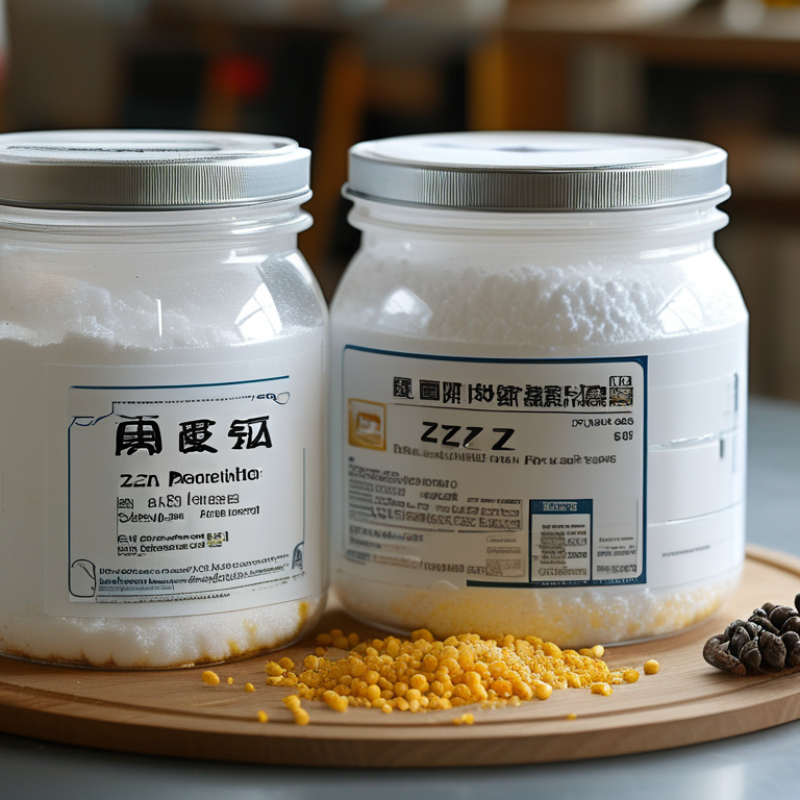
Zinc nitrate is commonly identified by CAS 10196-18-6. Its core chemical formula is Zn(NO₃)₂. However, this CAS number often refers to zinc nitrate hexahydrate, written as Zn(NO₃)₂·6H₂O. That distinction matters during purchasing, storage, and laboratory preparation. It is a white, moisture-sensitive crystalline material that dissolves readily in water.
Chinese manufacturers and suppliers commonly offer industrial, reagent, and higher-purity grades. Industrial grade may suit general chemical processing, while reagent grade requires tighter limits for insoluble matter, chloride, iron, and other trace impurities. Some applications need controlled moisture or a defined zinc content. Ask for a current certificate of analysis, safety data sheet, specification sheet, and batch number before ordering.
Packaging also deserves attention. Sealed polyethylene-lined bags or drums help reduce moisture exposure during transport. Reliable suppliers should explain production capacity, inspection procedures, storage conditions, and export documentation clearly. A supplier’s sample may perform well, yet one batch is not enough evidence. Requesting several batch records is wiser. I would also confirm whether the quoted formula describes anhydrous material or hexahydrate, because this detail can affect dosage calculations and final results. Small wording differences can create large technical problems.
Evaluating Manufacturers: ISO 9001, ≥98% Purity, and Quality Testing
Choosing China’s top zinc nitrate manufacturers requires more than comparing prices. ISO 9001 certification is a useful starting point, but it does not prove a product contains at least 98% zinc nitrate. The ISO Survey 2023 reported more than 1.2 million ISO 9001 certificates worldwide. That number shows broad adoption, not automatic chemical quality. A serious supplier should provide a current certificate, production-lot traceability, controlled storage records, and documented corrective actions.
Purity claims need independent evidence. I would request a lot-specific certificate of analysis, not a recycled template. Testing should include assay, moisture, insoluble matter, chloride, sulfate, heavy metals, and pH. ICP-OES can verify elemental zinc and trace contaminants, while ion chromatography can examine key anions. The USGS Mineral Commodity Summaries 2024 estimated global mined zinc production at about 12 million metric tons in 2023. Large zinc supply does not guarantee consistent zinc nitrate conversion or final crystallization. That distinction matters.
Ask for retained samples and third-party verification before a long-term contract. Check whether results match the stated ≥98% specification across several lots. One successful sample is weak evidence. Packaging also deserves attention: sealed moisture-resistant bags, clear lot numbers, and visible production dates reduce handling risks. I have seen specifications look precise while test methods remain vague. That is a warning, even when the paperwork appears complete. Manufacturers should explain method detection limits, laboratory calibration, and out-of-specification procedures in plain language.
Comparing Suppliers: MOQ, Lead Time, Packaging, and Export Capability
When comparing China’s top zinc nitrate manufacturers and suppliers, procurement teams should examine MOQ, lead time, packaging, and export capability together. A low MOQ can support pilot orders, but it may increase the unit price. Typical commercial discussions often begin around 500 kilograms to one metric ton, depending on purity and packaging. Lead times commonly range from 7 to 20 working days after payment and specification approval. Ask for a written production schedule.
Packaging affects safety, storage, and freight efficiency. Common options include 25-kilogram bags, 500-kilogram flexible containers, or sealed drums. The supplier should provide moisture protection and batch identification. Zinc nitrate is hygroscopic, so weak inner liners can create hard lumps during humid transport. This detail is easy to overlook. It should not be.
Export capability requires more than a trading license. Request recent safety data sheets, certificates of analysis, packing photographs, and evidence of successful customs documentation. UN Comtrade data for 2023 places zinc nitrate within broader nitrate classifications, including HS 283429 in some reporting systems. That category is not product-specific, so trade figures require careful interpretation. The International Maritime Organization’s cargo guidance also highlights the importance of accurate classification and documentation for chemical shipments. Compare shipping terms, port experience, and response time before selecting a supplier. A supplier promising the fastest delivery may still lack stable production capacity. Small mistakes happen. Verify every detail.
China Top Zinc Nitrate Manufacturers and Suppliers? - Comparing Suppliers: MOQ, Lead Time, Packaging, and Export Capability
| Supplier Profile |
Typical Product Form |
Typical Purity |
Indicative MOQ |
Standard Lead Time |
Common Packaging |
Export Capability |
Best Fit |
| Profile A — Large-volume producer |
Zinc nitrate hexahydrate crystals |
Industrial grade, typically ≥98% |
500 kg–1 metric ton |
10–20 working days |
25 kg woven bags with inner liner; palletized export loads available |
Regular container exports; standard commercial documents and SDS available |
Industrial processing and recurring bulk orders |
| Profile B — Custom-packaging supplier |
Crystalline solid; particle size may be specified |
Commercial grade, commonly 98–99% |
100–500 kg |
15–25 working days |
1 kg, 5 kg, 25 kg, or 500–1,000 kg FIBC options subject to confirmation |
Suitable for mixed-container shipments and distributor orders |
Private-label-free industrial repacking and smaller commercial lots |
| Profile C — Laboratory and specialty supplier |
High-purity zinc nitrate hexahydrate |
Analytical or high-purity grade; specification-dependent |
5–25 kg |
7–15 working days if in stock; longer for production batches |
Moisture-resistant bottles, bags, or small fiber drums |
Courier or air-freight options subject to dangerous-goods acceptance |
Research, testing, catalyst, and specialty chemical applications |
| Profile D — Distributor with export stock |
Standard zinc nitrate crystals from qualified sources |
Grade and assay depend on the available batch |
25–100 kg |
3–10 working days for available stock |
Original sealed bags or drums; repacking may be available |
Fast dispatch to major ports; documentation depends on source batch |
Urgent orders, trial quantities, and first-time purchases |
| Profile E — Contract-manufacturing supplier |
Zinc nitrate solution or solid, subject to agreed specification |
Custom specification with batch testing |
1–5 metric tons |
20–35 working days |
25 kg bags, drums, or IBC containers for solution products |
Full-container export programs with pre-shipment quality documentation |
Long-term supply agreements and application-specific formulations |
Important purchasing note: The profiles above are anonymized market-reference ranges rather than named-company quotations. Actual MOQ, assay, lead time, packaging, freight terms, and export documentation should be confirmed in writing for each batch. Zinc nitrate is an oxidizing chemical; packaging, labeling, transport classification, and carrier acceptance must be checked against the applicable destination-country regulations before shipment.
Conclusion
China is a major source of zinc nitrate, commonly identified by CAS 10196-18-6 and the formula Zn(NO₃)₂. This article explains the main grades available, including industrial, analytical, and specialized grades, while examining purity levels, applications, and relevant trade standards. Buyers can better understand how Nitrate Zinc is used in areas such as chemical production, surface treatment, laboratory testing, and agricultural formulations.
When evaluating Chinese manufacturers and suppliers, purchasers should review ISO 9001 certification, a typical purity target of 98% or higher, batch testing procedures, certificates of analysis, and traceability systems. Supplier comparisons should also include minimum order quantities, production lead times, packaging options, export experience, and communication efficiency. For international sourcing, buyers should confirm REACH and GHS documentation, suitable UN-approved packaging where required, accurate labeling, and mutually agreed Incoterms. Careful verification of specifications and logistics helps ensure consistent quality, regulatory alignment, and reliable delivery.

 Yanxatech