Explore our premium selection of industrial compounds, raw minerals, and performance alloys manufactured to match precise international standards.
An authoritative exploration of manufacturing methodologies, structural applications, global supply chain dynamics, and regulatory compliance standards for enterprise procurement.
Magnesium powder is increasingly designated as a critical raw material across major global economies, including the EU, the United States, and East Asia. Recognized for having the lowest density of all structural metallic materials, magnesium is central to the global transition toward decarbonization. In the automotive sector, magnesium-aluminum alloys are progressively replacing heavy iron and steel components, directly improving fuel efficiency and extending the range of Electric Vehicles (EVs). Furthermore, the metallurgical industry relies heavily on magnesium powder for steel desulfurization, securing high-quality structural steel yields. In defense and aerospace, atomized spherical magnesium powder serves as a critical component in solid rocket propellants, pyrotechnics, and advanced defense countermeasures.
Different regional markets exhibit distinct demands for magnesium powder. In North American and Western European automotive manufacturing hubs, the focus is primarily on structural lightweighting and die-cast components (such as instrument panels, steering columns, and gearbox casings) utilizing high-grade Mg-Al alloys. In emerging industrial regions across Latin America and the Asia-Pacific, magnesium powder is extensively used in high-efficiency steel mills for desulfurization and in chemical manufacturing as a powerful Grignard reagent catalyst. By tailoring particle size distributions (ranging from coarse granules to ultra-fine 325-mesh spherical powders), suppliers can directly align with local manufacturing preferences, whether for automated metallurgical injection lines or high-end metal 3D printing facilities.
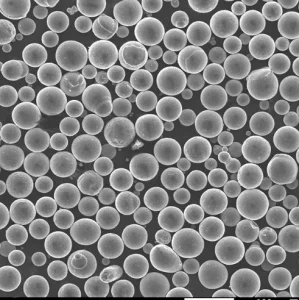
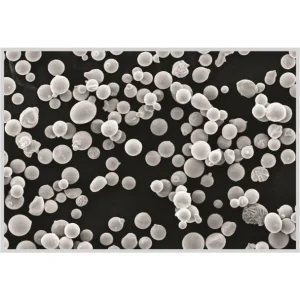
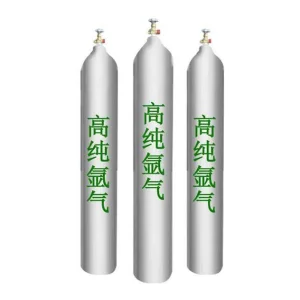
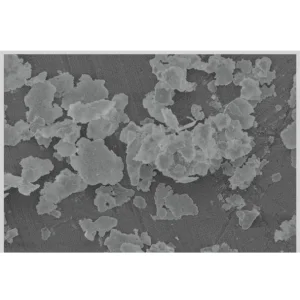
The production of industrial magnesium powder is evolving away from conventional mechanical milling toward advanced inert gas atomization processes. Mechanical milling typically yields irregular, angular particles with higher surface-area-to-volume ratios, increasing risks of accidental oxidation. In contrast, inert gas atomization (utilizing pure argon or nitrogen) produces highly spherical powders characterized by exceptional flowability, uniform density, and reduced surface oxidation. Future R&D is directed toward advanced passivation techniques, where micro-thin layers of metal oxides or polymer coatings are applied to individual particles. This allows safe bulk handling and storage without compromising the reactive performance required in metallurgy and chemical synthesis.
Procurement teams often overlook the critical importance of Active Magnesium Content versus total chemical purity. While many standard grade listings advertise "99.9% Purity," the active metallic magnesium content can degrade over time due to surface oxidation. High-spec factories address this by utilizing vacuum-hermetic packaging and specialized nitrogen/argon purging. When evaluating suppliers, technical buyers should prioritize factories that offer detailed laser diffraction particle size distribution (PSD) analysis, and verifiable safety certification (UN 1418 / Class 4.3 dangerous goods authorization).
China remains the world's leading producer of primary magnesium, accounting for over 80% of global output. This dominant position is supported by raw material abundance, vertical integration, and a highly efficient industrial cluster system.
Navigating the regulatory landscape for importing reactive metal powders requires high level technical compliance. Working with an experienced exporter ensures secure custom clearances and safe end-use delivery.
All imported materials must comply with local chemical safety registrations. Suppliers provide complete safety data sheets (SDS) detailed according to target market standards.
Magnesium powder requires UN-approved explosion-proof steel drum packaging. Shipments undergo rigorous inspections to prevent exposure to moisture and atmospheric oxygen during transit.
Collaborating with local warehousing partners enables responsive delivery, custom particle sizing, and tailored alloy blending to meet specific client specifications.
Yanxatech System Industries Limited — Delivering High-Performance Specialty Materials and Industrial Chemicals Since 2008.
Yanxatech System Industries Limited (hereinafter referred to as YANXA) is one of the growing suppliers in the field of specialty materials in China. Starting from a fledgling small business unit in 2008, YANXA is driven with the passion of developing a broad international market in the areas relating to the chemical and mechanical industries. Thanks to our team’s enduring and persistent work and our business partners’ long-lasting support, YANXA has steadily and vigorously grown into a company with excellence in delivering products and services relating to specialty chemicals.
Cooperating with leading manufacturers and renowned research institutes in the field of specialty chemicals in China, YANXA is capable of supplying high-demand industrial elements:
Quality, safety and efficiency prevail over all other values in our business. We care about what our customers need on general products, as well as their unique and specific requirements for newly developed applications in a timely manner. We adhere strictly to technical requirements and make deliveries in almost perfect conformity.
Chemical business exposures present more safety concerns than most other industrial sectors. We undertake all activities involving chemicals in a safe way to ensure the safety of human health and the environment. Our factory has grown into a premier ISO9001:2008 certified manufacturer of high quality, cost-effective products.
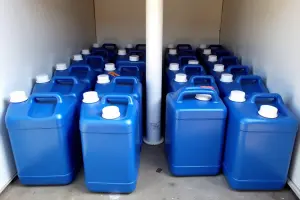
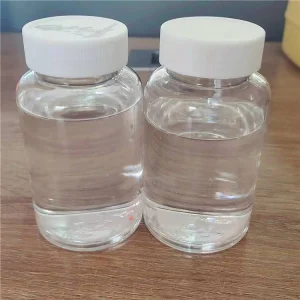
Product Characteristics: Formaldehyde is a colorless liquid, easily polymerized, and readily soluble in water, alcohol, and ether. It is rapidly oxidized to formic acid in air, acting as a strong reducing agent. Its boiling point is -19℃, freezing point -118℃, and relative density to air is 1.067.
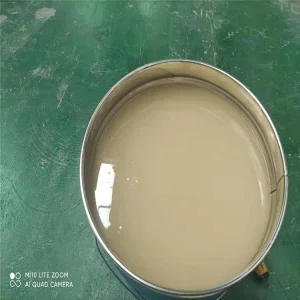
Commercially, it is supplied in liquid form as formalin, a 37-50% formaldehyde solution with a small amount of methanol added as a polymerization inhibitor. The solution is milky white and has a characteristic sharp, pungent odor. Formalin readily vaporizes, releasing formaldehyde gas. Its boiling point is 96℃, relative density is 0.815/-20℃, and flash point is 55℃.

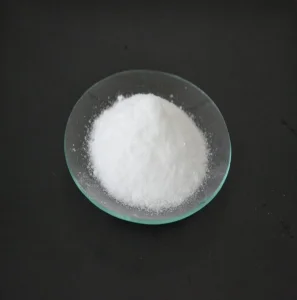
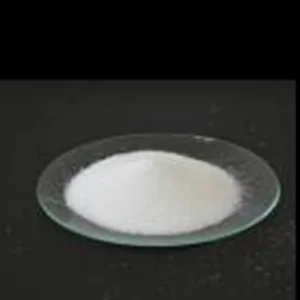
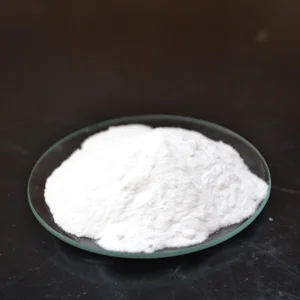
Product Overview: Hexamethylenetetramine, also known as hexamine or HMTA, is a white crystalline powder produced by the condensation reaction of formaldehyde and ammonia. It is a highly versatile organic chemical intermediate widely used in industrial plastics manufacturing (especially phenolic resins), pharmaceutical synthesis, rubber processing, and analytical chemistry.
| Property | Value / Detail |
|---|---|
| CAS No. | 100-97-0 |
| Molecular Formula | C₆H₁₂N₄ |
| Molecular Weight | 140.19 g/mol |
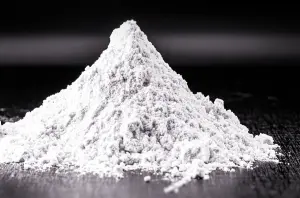
Product Features: A white powdery solid with a flammable odor of formaldehyde. It is a linear polymer of formaldehyde with no fixed melting point.
| Item Specifications | Grade A (96%) | Grade B (92%) |
|---|---|---|
| Appearance | White powder/solid | White powder/solid |
| Content | ≥96% | ≥92% |
| Solubility | ≤40 minutes | ≤40 minutes |
| Formic Acid | ≤0.05% | ≤0.05% |
| pH | 5.0 - 7.0 | 5.0 - 7.0 |
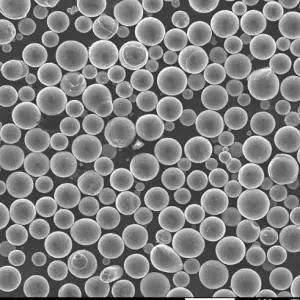
Highly spherical particles consisting of a structural aluminum-magnesium alloy. Features narrow particle size distribution, high active metal content, outstanding flowability, and low oxygen pickup. Widely utilized in performance pyrotechnics, welding materials, refractories, aerospace fuels, and research metallurgy.
Everything you need to know about purchasing, safety, logistics, and compliance from Yanxatech System Industries.
Explore additional compound listings and raw materials from YANXA's extensive chemical synthesis database.
 Yanxatech