China Epoxy Modified Liquid Rubber - Epoxidized Polybutadiene (EPB) Factory, Pricelist

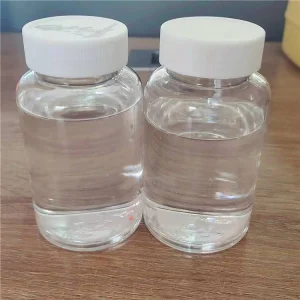
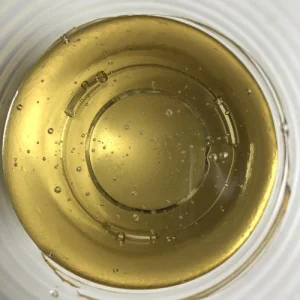
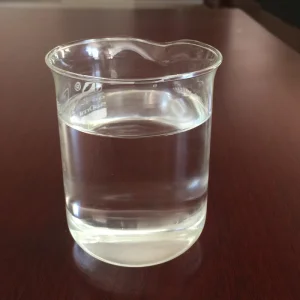
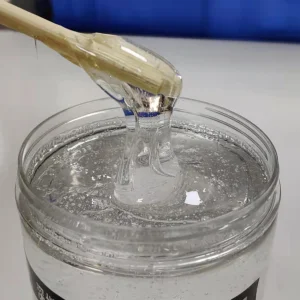
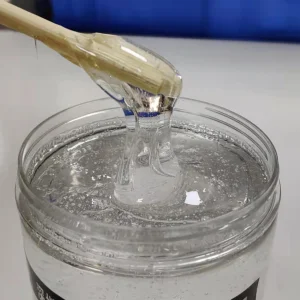
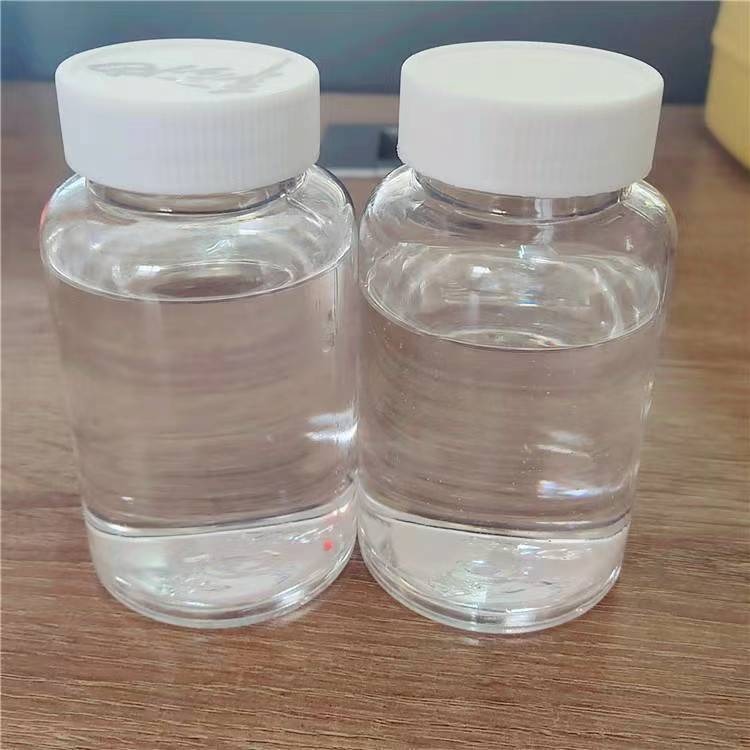
EPB is the introduction of epoxy groups on the molecular chain of HTPB, with oil resistance, aging resistance, good transparency, good low-temperature performance, etc., the hydroxyl group at the end of the molecular chain and the epoxy group in the molecular chain for the reactive groups, can be cured with a variety of isocyanates and epoxy curing agent.

Product Description

EPB is the introduction of epoxy groups on the molecular chain of HTPB, featuring outstanding oil resistance, aging resistance, good transparency, and excellent low-temperature performance. The hydroxyl group at the end of the molecular chain and the epoxy group within the molecular chain serve as the reactive groups, allowing it to be cured effectively with a wide variety of isocyanates and epoxy curing agents.

Enhanced Performance

The cured polymer demonstrates excellent physical and chemical properties. It provides low shrinkage, high hardness, stability against alkalis and most volumes, and significantly improves the mechanical properties, adhesive strength, and heat resistance of polyurethane materials.

Adhesive Strength

Polar groups substantially improve the product's adhesive properties with both metallic and non-metallic materials, including glass. It also exhibits superior dielectric properties for electronic and structural applications.

Broad Applications

Perfectly suited for formulated systems in adhesives, sealants, protective coatings, epoxy resin toughening agents, and high-performance polyurethane elastomers.

Technical Specifications
Item Type L Type M Type H
Molecular weight 2000-4000
Epoxy value, mmol/g 0.5-1.5 2.0-4.0 4.5-5.5
Viscosity (40℃), Pa.s ≤5.0 ≤20 ≤50
Water mass fraction, % <0.05
Frequently Asked Questions
What is EPB and how is it structured?
EPB is synthesized by introducing epoxy groups onto the molecular chain of hydroxyl-terminated polybutadiene (HTPB). It features reactive hydroxyl groups at the terminal ends of the molecular chain and epoxy groups within the main chain.
What are the main performance benefits of EPB?
EPB offers outstanding oil resistance, aging resistance, excellent transparency, and superior low-temperature performance. Once cured, it displays high hardness, low shrinkage, stable dielectric properties, and high stability against alkalis.
How is EPB cured?
Thanks to its dual reactive groups (terminal hydroxyls and chain epoxy groups), EPB can be cured with a wide variety of isocyanates as well as various epoxy curing agents.
Which materials does EPB adhere to effectively?
EPB possesses polar groups that significantly enhance its adhesive strength to both metallic surfaces and non-metallic materials, such as glass.
What are the primary applications for EPB?
EPB is widely used in formulations for adhesives, industrial sealants, protective coatings, polyurethane elastomers, and as a toughening agent for epoxy resins.
What grades of EPB are available?
It is available in three technical specifications based on viscosity and epoxy values: Type L (low viscosity/epoxy value), Type M (medium viscosity/epoxy value), and Type H (high viscosity/epoxy value). All types maintain a molecular weight range of 2000-4000.

Related Products