 Yanxatech
1 / 1
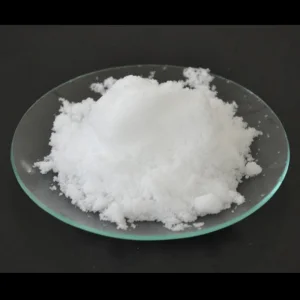
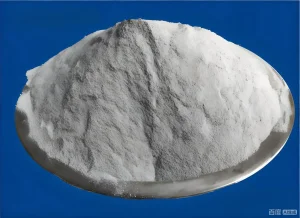
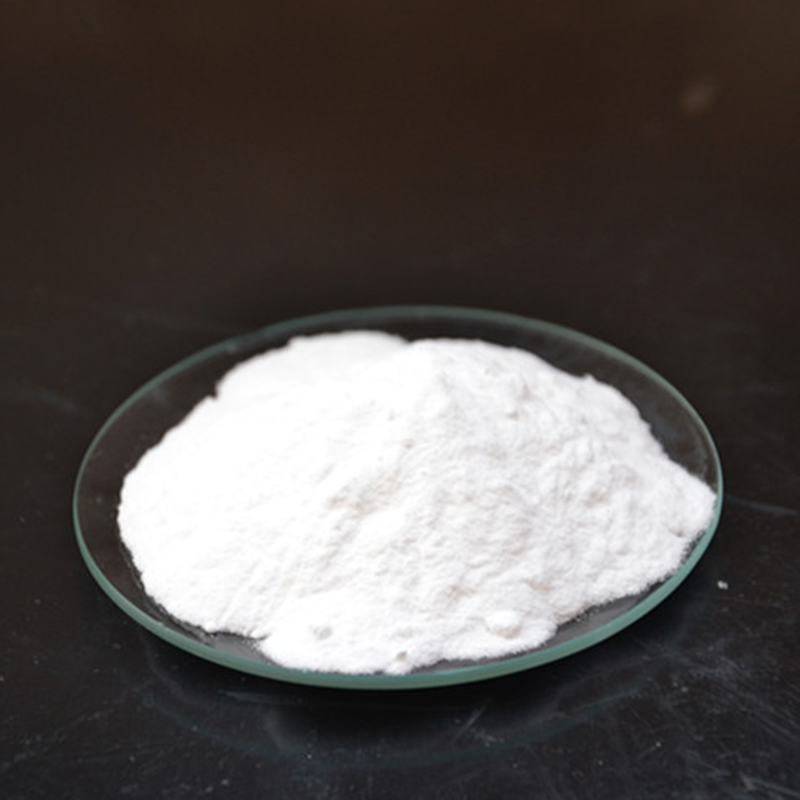
Lithium nitrate appears as a colorless crystal and is known to easy to absorb moisture. When subjected to thermal conditions, heating to 600℃ leads to its decomposition. It is highly soluble in about 2 parts of water and is also soluble in ethanol. The resulting aqueous solution is neutral, maintaining a relative density of 2.38 and a melting point of approximately 255℃. Due to its strong oxidation characteristics, friction or impact with organic matter can cause combustion. Please handle with care as it is irritating.
| Test Item | Lithium Nitrate Trihydrate | Lithium Nitrate Anhydrous |
|---|---|---|
| Assay ≥ | 98.0% | 99.0% |
| Chloride (Cl) ≤ | 0.01% | 0.01% |
| Sulfate (SO4) ≤ | 0.2% | 0.2% |
| Iron (Fe) ≤ | 0.002% | 0.002% |
Lithium nitrate is a colorless crystal that easily absorbs moisture. It features a relative density of 2.38, a melting point of about 255℃, and decomposes upon heating to 600℃.
It is highly soluble in about 2 parts of water and is also soluble in ethanol. The aqueous solution formed is chemically neutral.
Lithium nitrate is a strong oxidizer. Any friction or impact with organic matter may trigger combustion. It is also classified as an irritating substance, requiring proper protective handling.
It is widely used in ceramics, pottery, fireworks manufacturing, molten salt baths, refrigerators, and heat exchange media. It also serves as an analytical reagent for preparing phosphors and lithium salts.
The assay for Lithium Nitrate Trihydrate is specified at ≥ 98.0%, whereas the Lithium Nitrate Anhydrous form features a higher assay of ≥ 99.0%.
Both forms maintain strict purity controls with Chloride (Cl) ≤ 0.01%, Sulfate (SO4) ≤ 0.2%, and Iron (Fe) ≤ 0.002%.