Verified chemical reagents, gases, and custom compounds supplied in strict conformance with global industrial standards.
Monomethylhydrazine (MMH) is a volatile hydrazine derivative widely utilized in aerospace propulsion, pharmaceutical synthesis, and specialized chemical production. Due to its severe health hazard profile, flammability, and potential environmental impact, an exhaustive Material Safety Data Sheet (MSDS) or Safety Data Sheet (SDS) compliant with GHS Revision 8 is the primary compliance instrument required for global transport, handling, and manufacturing clearance.
A standard GHS-compliant MSDS for monomethylhydrazine outlines key critical safety protocols, environmental containment steps, and specific chemical thresholds. Procurement teams must systematically evaluate factory-issued MSDS sheets to ensure compatibility with local safety codes and regulatory storage requirements.
Key Safety Indicator: Under the Harmonized GHS system, monomethylhydrazine is categorized as a Class 6.1 Toxic Material, Class 3 Flammable Liquid, and Class 8 Corrosive Agent. Appropriate safety documentation must accompany every physical shipment from factory gate to final destination.
| SDS Metric | Standard Specification / Value |
|---|---|
| Chemical Identifier | Monomethylhydrazine (MMH) / Methyl Hydrazine |
| CAS Registry Number | 60-34-4 |
| Hazard Classifications | Flammable Liq. 2, Acute Tox. 2 (Inhalation), Skin Corr. 1B, Carc. 1B |
| Transport Regulation | UN 1244, Packing Group I, Class 6.1 (3, 8) |
| Storage Temperature | Controlled, inert gas blanketed (nitrogen preferred) |
Operational design, facilities safety, and containment strategies in compliance with OSHA and REACH standards.
Due to high vapor pressure and flammability, methyl hydrazine must be stored under a high-purity nitrogen gas blanket. Transfer mechanisms require closed-loop dry-disconnect coupling systems to minimize vapor release to the working environment.
Facilities should deploy continuous electrochemical sensor arrays calibrated for low PPM hydrazine vapor exposure. Automated emergency isolation valves (ESD) must link directly to vapor sensors to automatically isolate tanks in the event of alert thresholds.
Personnel involved in unloading or maintenance operations must utilize positive-pressure Self-Contained Breathing Apparatus (SCBA) combined with fully encapsulated chemical-resistant protective suits (butyl rubber or neoprene barrier materials).
YANXA has steadily grown into a reliable global supplier of specialty materials and chemical intermediates in China. Originally founded to develop international distribution pipelines, our operation strictly complies with ISO 9001:2008 standards to provide chemical solutions characterized by extreme purity, safety, and supply chain dependability.
Procuring raw materials from China presents significant cost-efficiencies and strategic manufacturing scale. Integrated industrial chemical parks in China leverage massive raw materials backbones, reducing price volatility for downstream derivatives. This localized advantage translates to consistent wholesale pricing and robust volume capabilities for global buyers.
Managing the export of Class 6.1 and Class 3 hazardous substances requires specialized freight forwarding credentials. Yanxatech oversees high-hazard logistics by aligning with designated dangerous goods port terminals, utilizing validated UN-approved packaging systems, and maintaining strict temperature/pressure monitoring during marine and land transit.
Discover our primary selection of industrial intermediates, polymers, and alloy reagents.
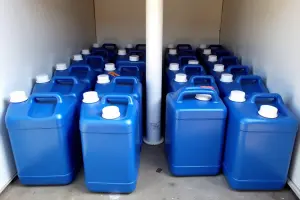
Formaldehyde is a colorless, pungent liquid easily polymerized and readily soluble in water. It acts as a powerful reducing agent, oxidizing to formic acid in ambient air. Supplied as formalin, a 37-50% solution, it features methanol as a polymerization inhibitor.

Commonly known as HMTA (CAS No. 100-97-0), this white crystalline powder is synthesized from the condensation of formaldehyde and ammonia. It serves as a highly versatile organic intermediate across resin manufacturing, rubber synthesis, and pharmaceuticals.
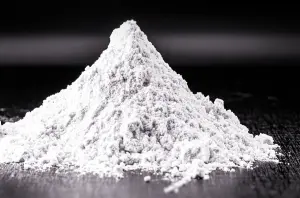
A white, flammable crystalline solid featuring a strong formaldehyde odor. Composed of linear polyoxymethylene glycols, it contains a minimum concentration of 96% formaldehyde equivalent, indicating high active substance density for industrial resin formulation.
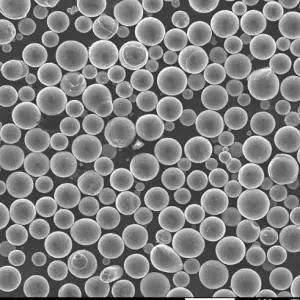
Manufactured through inert-gas atomization processes to yield highly spherical particles. Highly demanded for powder metallurgy, energetic formulations, thermal sprays, and high-performance aerospace alloy designs.
In high-risk chemical procurement, the validity of technical documentation is a key parameter of compliance. Buyers must systematically demand three critical documents prior to customs dispatch: the Certificate of Analysis (COA) specifying exact purity levels and metal content limits, the GHS SDS localized to the destination country's language and regulatory structure, and the UN-certified container testing reports. These files ensure the physical cargo matches shipping declarations and passes rigorous port border agency audits.
Industrial users operating continuous manufacturing processes must establish strategic buffers to mitigate shipping disturbances, sea freight volatility, and export custom audits. Partnering with suppliers like YANXA allows buyers to establish custom supply schedules with predetermined release dates, maintaining safety stocks in bonded warehouses near departure hubs to offset transport disruptions.
Essential purchasing, logistic, and regulatory answers for chemical procurement professionals.
Our raw material prices are subject to adjustments based on regional feedstock availability, industrial energy parameters, and market forces. Upon receipt of your target purity specifications and packaging needs, we provide a formal, updated quotation sheet with defined price validity windows.
Yes, because of the complex logistics associated with class-rated hazardous materials and high-purity gases, we establish specific Minimum Order Quantities (MOQs) for international shipments. This ensures freight efficiencies and complies with minimum cargo weights mandated by dangerous goods shipping lines.
We supply comprehensive compliance documentation sets. This includes the Certificate of Analysis (COA), Certificate of Conformance (COC), marine export insurance certificates, GHS-compliant SDS, Certificate of Origin, and specialized container inspection declarations required at both exit and destination ports.
For custom packaging or specialty synthesis requests, sample lead times are typically around 7 business days. Bulk production campaigns require approximately 20 to 30 days following deposit verification and chemical compliance approvals, allowing for rigorous final testing and loading protocols.
Our standard terms involve a 30% advanced deposit via T/T, with the remaining 70% balance paid upon presentation of the copy of Bill of Lading (B/L) or via an irrevocable Letter of Credit (L/C) at sight, issued by an A-grade financial institution.
We prioritize robust, UN-rated export containers built to survive transoceanic transit. This includes heavy-gauge steel drums, hermetically sealed pressure drums, and nitrogen-blanketed ISO tanks. We strictly adhere to temperature regulation codes and cargo segregation directives under international marine transport safety guidelines.
Browse our selection of metallic powders, high-purity inorganic salts, and specialty gases.
 Yanxatech