 Yanxatech
1 / 1
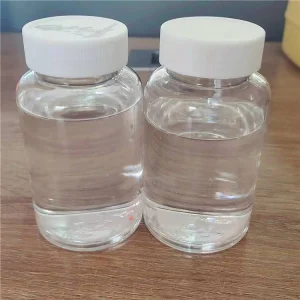
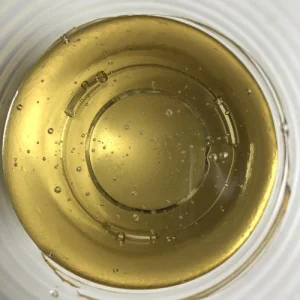
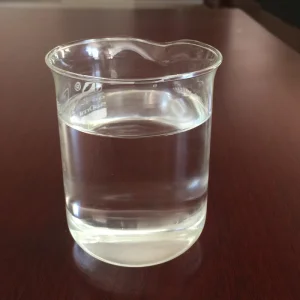
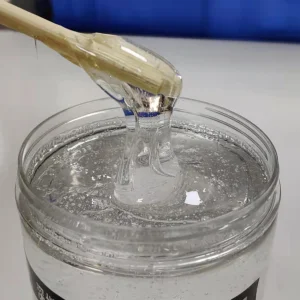
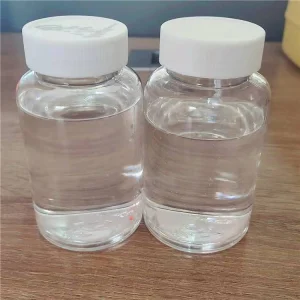
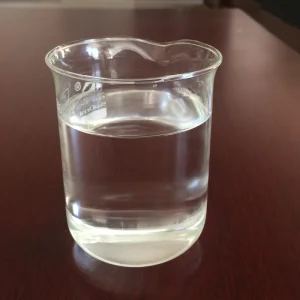
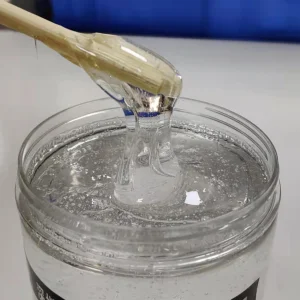
It is liquid at room temperature, which is convenient to use and process. With a glass transition temperature of -80 ℃, it exhibits excellent low-temperature performance. The mechanical properties of the elastomer are close to those of PTMG.
Mainly used in solid propellant formulations, offering outstanding low-temperature mechanical properties and supporting a wide range of operating temperatures.
With good molecular flexibility, it can replace PTMG in flexible artificial leather and printing ink. It is also suitable for low-temperature-resistant adhesives, coatings, polyurethane elastomers, and similar applications.
| Item | Specification | ||||
|---|---|---|---|---|---|
| Di-functionality | Tri-functionality | ||||
| Type I | Type II | Type III | Type IV | ||
| Number average molecular weight (Mn) | 3500±350 | 4000±400 | 4500±450 | 5000±500 | 4500~7000 |
| Hydroxyl value, mgKOH/g | 23.0~37.6 | 20.1~32.6 | 17.9~29.2 | 16.2~26.4 | 19.5~45.0 |
| Acid value, mgKOH/g | ≤0.10 | ||||
| Water mass fraction, % | ≤0.10 | ||||
The material is liquid at room temperature, which ensures convenient processing, easy handling, and straightforward application during production.
It features an exceptionally low glass transition temperature (Tg) of -80 ℃, granting it superior low-temperature performance and mechanical stability close to that of PTMG.
Yes, due to its excellent molecular flexibility, it can successfully replace PTMG in applications such as flexible artificial leather and printing inks.
It is primarily incorporated into solid propellant formulations to deliver reliable low-temperature mechanical properties and maintain functionality over a broad operating temperature range.
Both the acid value and the water mass fraction are strictly controlled to be less than or equal to 0.10 (mgKOH/g for acid value and % for water mass fraction).
For Di-functionality types, molecular weight (Mn) options range from 3500±350 up to 5000±500. For Tri-functionality types, the molecular weight ranges from 4500 to 7000.