Premium polyethers, metals, gases, and custom compound intermediates curated for global industrial demands.
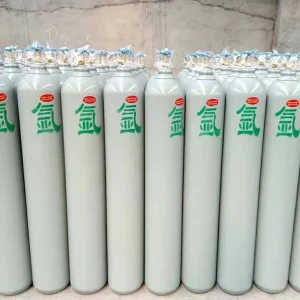
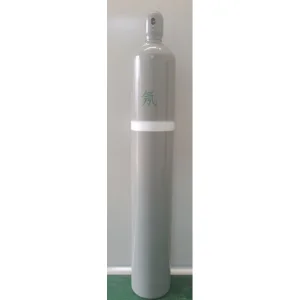
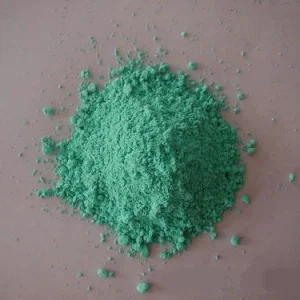
An in-depth analysis of molecular structural properties, synthesis mechanisms, application systems, and market integration pathways.
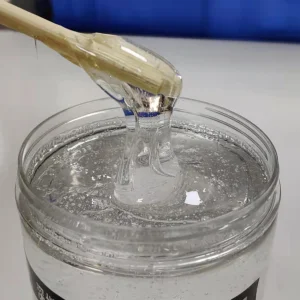
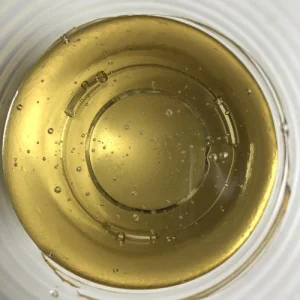
Polyethylene Glycol (PEG), also referred to as polyoxyethylene (POE) or polyethylene oxide (PEO) depending on its molecular weight distribution, represents a pivotal category of synthetic polyethers. Exhibiting the general chemical formula H-(O-CH₂-CH₂)ₙ-OH, PEG compounds are characterized by exceptional hydrophilic properties, biocompatibility, low toxicity, and structural adaptability.
For global procurement divisions and materials engineers, sourcing premium PEG compounds from a verified, authoritative supplier like Yanxatech System Industries Limited (YANXA) ensures not only batch-to-batch molecular consistency but also precise tailoring of polymer chain lengths. Under strict ISO certifications, YANXA facilitates macro-scale solutions for industries spanning pharmaceutical drug delivery (PEGylation), high-tech electronics, structural metallurgy, and complex liquid rubber systems.
The chemical synthesis of Polyethylene Glycol proceeds through the ring-opening polymerization of ethylene oxide (EO) utilizing either water, ethylene glycol, or diethylene glycol as an initiator. The process is catalyzed by anionic or cationic pathways, allowing manufacturers to tightly govern the average molecular weight (MW) distribution:
The global chemical landscape is pivoting rapidly toward green chemistry and circular economics. In the realm of PEG compounds, these macro trends translate directly into several key operational shifts:
With modern enterprises targeting carbon-neutral supply chains, raw material synthesis is shifting from petrochemical ethylene to bio-ethanol derived from agricultural waste. The resultant bio-PEG exhibits identical physical-chemical properties but drastically lowers the cradle-to-gate carbon footprint.
The surge in mRNA vaccines and complex therapeutic proteins has accelerated the need for ultra-pure, monodisperse PEG derivatives. Reducing trace impurities such as ethylene oxide monomers, 1,4-dioxane, and heavy metals is paramount to avoiding immunogenic reactions in medical applications.
In the coatings sector, industrial-grade PEGs are increasingly copolymerized with polyurethanes to yield self-healing, hydrophilic, and anti-fouling surfaces. This is critical for marine equipment, automotive topcoats, and medical device surfaces.
Procurement professionals must navigate volatility in ethylene oxide supply, fluctuating shipping regulations for liquid chemicals, and regional tariff adjustments. YANXA addresses these vulnerabilities through strategic integration. By co-operating with leading Chinese chemical manufacturing institutes and establishing high-capacity stockpiling mechanisms, YANXA offers stable wholesale pricing structures and consistent supply routes despite global logistics bottlenecks.
Furthermore, YANXA's logistical framework integrates specialized hazard packaging for high-reactivity chemical exports, temperature-controlled transit where necessary, and complete customs pre-clearance validation documentation, mitigating the risk of border delays.
Regulatory compliance is non-negotiable. Importing chemical compounds into the EU, North America, or Asia-Pacific requires strict adherence to localized frameworks:
At YANXA, our business philosophy is rooted in the conviction that Quality, safety, and efficiency prevail over all values. We provide detailed Certificates of Analysis (COA), ISO 9001 certifications, and full analytical verification profiles for every batch.
YANXA is actively mapping out technological transitions to support high-efficiency industrial projects over the next decade. Our R&D priorities are focused on:
Direct supply specifications from our ISO9001 certified chemical manufacturing operations.
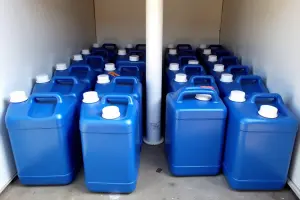
Product Characteristics: Formaldehyde is a colorless liquid, easily polymerized, and readily soluble in water, alcohol, and ether. It is rapidly oxidized to formic acid in air, acting as a strong reducing agent. Commercially supplied in liquid form as formalin (37-50% solution with methanol stabilizer).
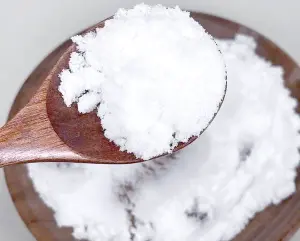
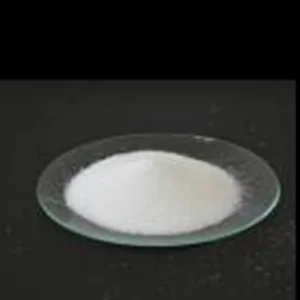
Product Overview: Also known as HMTA, it is a white crystalline powder produced by the condensation reaction of formaldehyde and ammonia. A versatile organic chemical intermediate widely used in industrial resin manufacturing, rubber processing, and explosives synthesis. CAS No.: 100-97-0.
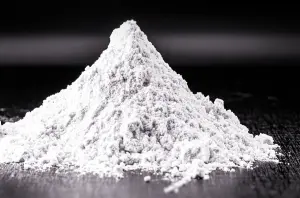
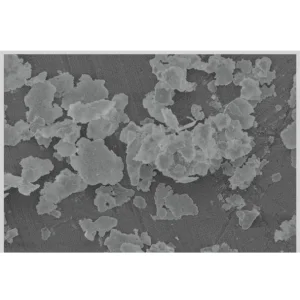
Product Features: A white powdery solid with a flammable odor of formaldehyde. It is a linear polymer of formaldehyde with no fixed melting point. Specifications: Content ≥96% / ≥92%; Formic Acid ≤0.05%; pH 5-7; Solubility ≤40 minutes.
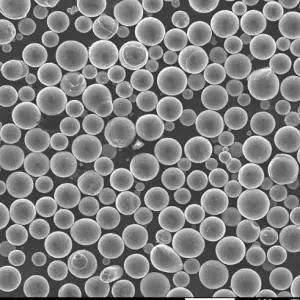
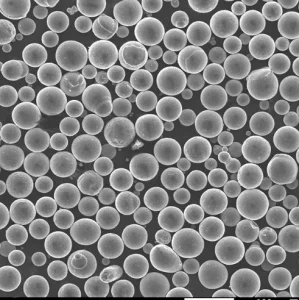
Product Summary: Formulated using advanced atomization chambers to ensure precise sphericity, uniform particle size distribution, and low oxygen content. Highly sought after for pyrotechnics, chemical catalysts, and aerospace structural applications.
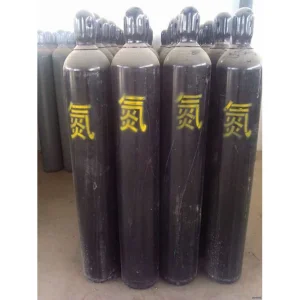
Advanced liquid rubbers, specialty polymers, and nitrogen-purged processing chemicals.
Established in 2008, Yanxatech System Industries Limited (YANXA) has evolved from a small materials business unit into a premier chemical manufacturer and exporter in China.
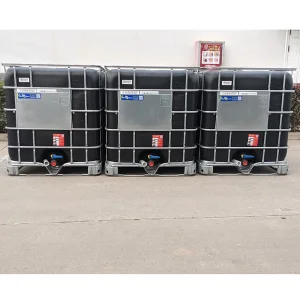
By forging close collaborations with leading research centers, state-level laboratories, and national industrial partners across China, YANXA maintains a multi-tier production output structure. Our logistics capabilities are optimized for bulk industrial supply:
Operating within the specialty chemicals market demands strict safety protocols. Every operational process, from chemical synthesis and monomer purification to packaging and storage, is governed by ISO 9001:2008 standards. We implement zero-emission chemical processing goals, ensuring that our operations do not compromise human health or localized environmental ecosystems.
Comprehensive technical and commercial queries for global procurement teams.
 Yanxatech