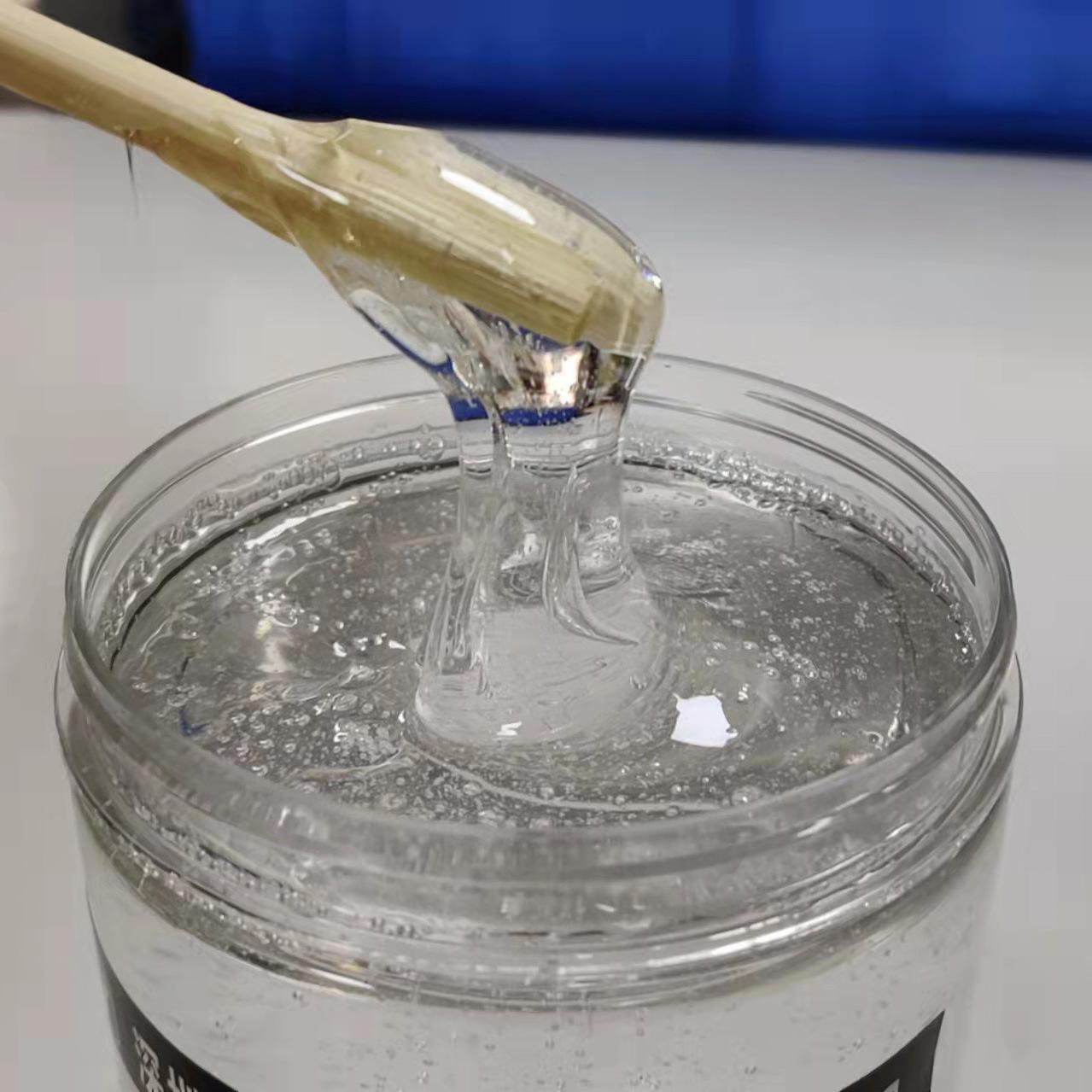
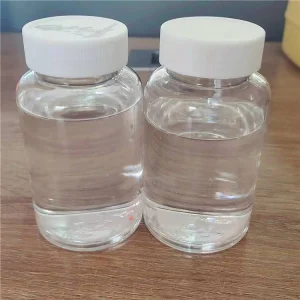
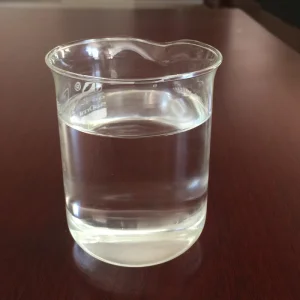
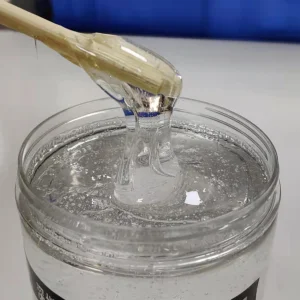
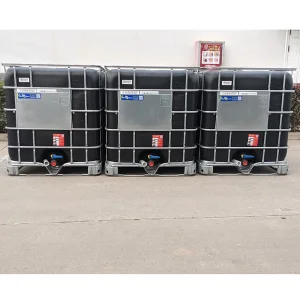
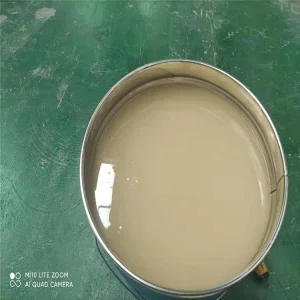
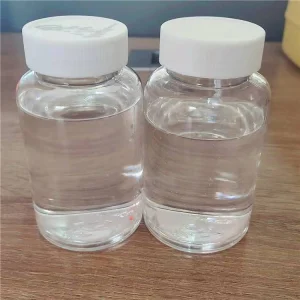
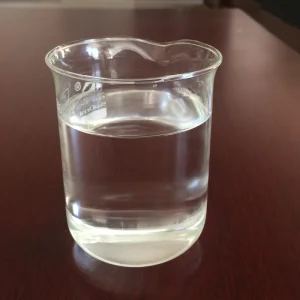
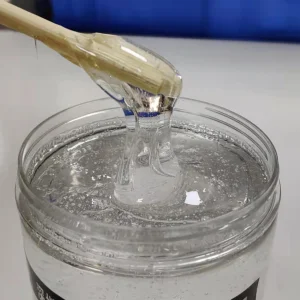
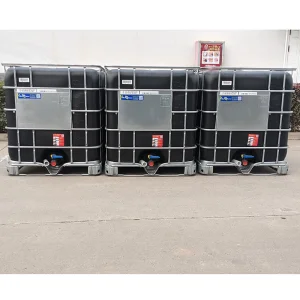
CTBN is liquid nitrile rubber with carboxyl functional groups at both ends of the molecular chain, and the terminal carboxyl group can react with epoxy resin. It is mainly used for toughening epoxy resin. It can be customized according to customers' requirements.
CTBN is liquid nitrile rubber with carboxyl functional groups at both ends of the molecular chain, and the terminal carboxyl group can react with epoxy resin. It is mainly used for toughening epoxy resin. It can be customized according to customers' requirements.
Technical Specifications
Item
CTBN-1
CTBN-2
CTBN-3
CTBN-4
CTBN-5
Acrylonitrile content, %
8.0-12.0
8.0-12.0
18.0-22.0
18.0-22.0
24.0-28.0
Carboxylic acid value, mmol/g
0.45-0.55
0.55-0.65
0.55-0.65
0.65-0.75
0.6-0.7
Molecular weight
3600-4200
3000-3600
3000-3600
2500-3000
2300-3300
Viscosity (27℃), Pa-s
≤180
≤150
≤200
≤100
≤550
Volatile matter, %
≤1.0
≤1.0
≤1.0
≤1.0
≤1.0
Frequently Asked Questions (FAQ)
What is CTBN and what is its chemical structure?
CTBN (Carboxyl-Terminated Butadiene Acrylonitrile) is a liquid nitrile rubber. It features active carboxyl functional groups located at both ends of its molecular chain.
How does CTBN function in epoxy resin applications?
The terminal carboxyl groups of CTBN chemically react with epoxy groups in the resin. This reactive mechanism allows it to be primarily used as a high-performance toughening agent, significantly improving the impact resistance and flexibility of epoxy resins.
Are custom formulations of CTBN available?
Yes, CTBN grades and specifications can be customized to match specific application demands and customer requirements.
What are the main technical parameters that differentiate CTBN grades?
The key performance indicators include Acrylonitrile content (%), Carboxylic acid value (mmol/g), Molecular weight, Viscosity (at 27℃, Pa-s), and Volatile matter (%).
How does the Acrylonitrile content vary across different CTBN grades?
The Acrylonitrile content varies by grade to suit different compatibility needs. For example, CTBN-1 and CTBN-2 range from 8.0-12.0%, CTBN-3 and CTBN-4 range from 18.0-22.0%, while CTBN-5 has the highest content at 24.0-28.0%.
What is the typical viscosity and volatile matter limit of CTBN?
The viscosity at 27℃ varies widely by grade, ranging from ≤100 Pa-s (CTBN-4) up to ≤550 Pa-s (CTBN-5). The volatile matter for all standard grades is strictly controlled at ≤1.0%.
 Yanxatech