Explore our premium range of industrial synthesis products, liquid rubbers, and specialty gas formulations manufactured under strict ISO controls.
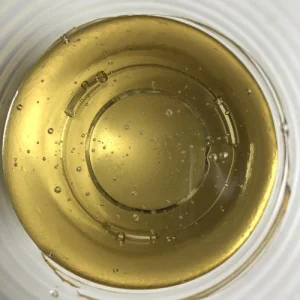
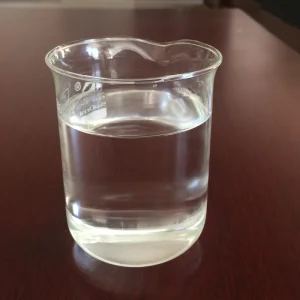
Ammonium Nitrate in water (aqueous NH4NO3) is a cornerstone liquid chemical matrix utilized globally in both civil explosives manufacturing (as the core oxygen-donating phase in emulsion matrices) and specialized agricultural applications. Dissolving solid ammonium nitrate in water is a highly endothermic process (dissociation enthalpy of +25.7 kJ/mol), which leads to significant temperature drops during blending operations. This thermodynamic reality demands highly specialized thermal control systems to maintain target concentrations and prevent premature crystallization.
The stability of aqueous ammonium nitrate is highly dependent on concentration, temperature, and pH. At standard operating concentrations (ranging from 60% up to 83% for hot bulk delivery configurations), control of the salting-out temperature (crystallization point) is critical. For instance, an 80% liquid solution requires storage temperatures maintained strictly above 70°C to prevent crystallization within shipping pipelines and storage tanks.
| Concentration (%) | Specific Gravity at 20°C (g/cm³) | Crystallization Point (°C) | Primary Industrial Application |
|---|---|---|---|
| 60% | 1.29 | 6.0 | Liquid Fertilizers & Blended Chemical Synthesis |
| 70% | 1.34 | 23.0 | Industrial NOx Catalysis precursors & Intermediate Chemical Synthesis |
| 80% | 1.39 | 68.0 | Emulsion Explosive Matrix (Warm Delivery Phase) |
| 83%+ | 1.41 | 81.0 | Specialized Civil Blasting Formulations (Direct Process Feed) |
Advancements in stabilization agents, decarbonized synthesis pathways, and safety assurance profiles for liquid nitrates.
Current research concentrates on low-dosage organic surfactants and inorganic polymeric modifiers that disrupt the nucleation of ammonium nitrate crystals. This allows for lower transport temperatures without phase separation, substantially reducing energy expenditures in heated tankers.
By transitioning Haber-Bosch feedstock synthesis to hydrogen produced via water electrolysis utilizing renewable energy (solar/wind), the carbon footprint of domestic ammonium nitrate production will decrease by an estimated 85% over the next decade.
Integration of real-time refractive index sensors and acoustic wave densitometers into production piping ensures inline control over concentration metrics, preventing hazardous deviation from specifications during blending and loading.
Custom formulations tailored to demanding structural conditions, mining operations, and strict environmental compliance.
For large-scale mining operations, shipping bulk ammonium nitrate in water (as a hot concentrated solution) is safer and more efficient than shipping solid porous prills. The liquid is delivered directly to site storage facilities, where it is blended with oils and emulsifiers to create high-stability emulsion explosives. This completely eliminates dust emissions and reduces bulk handling costs.
Modern precision agriculture depends on liquid nitrogen fertilizers containing ammonium nitrate and urea (UAN). Our manufacturing process optimizes the synergistic solubility of both salts in water, resulting in stable liquid fertilizers that provide plants with both rapid and sustained nitrogen release.
Ammonium nitrate solutions are used in Selective Catalytic Reduction (SCR) systems to treat flue gases in specific industrial processes. The material functions as an oxidizing booster that facilitates the conversion of hazardous nitric oxide and nitrogen dioxide gases into harmless atmospheric nitrogen.
Liquid ammonium nitrate is inherently less sensitive to accidental shock detonation than dry crystals. However, it remains a strong oxidizer. We construct our transfer loops with safety relief valves, temperature limits, and fail-safe steam tracing systems to prevent overheating and crystallization blockages.
Our integrated production networks in China maintain redundant capacity and dedicated logistics partners, ensuring supply stability even during volatile global market cycles.
As the world's leading chemical processing hub, China's modern nitrate manufacturers have adopted Industry 4.0 standards. Advanced automation control systems govern the synthesis of ammonia and nitric acid, ensuring precise stoichiometry during neutralization. Distributed Control Systems (DCS) monitor temperature, pressure, and pH inside the reactors around the clock, eliminating variations between batches.
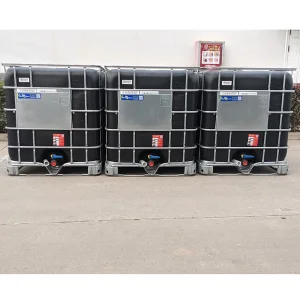
Additionally, our proximity to major international ports like Qingdao, Tianjin, and Shanghai guarantees seamless shipping logistics. We utilize specialized liquid tankers, high-durability ISO tanks, and heavy-duty flexitanks designed for concentrated liquid solutions, maintaining cargo integrity from the manufacturing facility to the client's receiving terminal.
Operating in strict compliance with chemical handling and environmental safety standards across major global jurisdictions.
Ammonium Nitrate in water is regulated under Class 5.1 Oxidizers or Class 9 Miscellaneous Dangerous Goods depending on concentration and temperature. Our compliance team provides complete chemical documentation packages, including safety registrations under European REACH, US OSHA regulations, and local environmental permits in the Asia-Pacific region.
We work directly with third-party verification agencies (SGS, Intertek) to confirm chemical purity and structural safety parameters before shipment, avoiding customs delays at destination ports.
Our global technical team provides on-site consulting for engineering local storage tanks, dosing systems, and pipeline networks. This ensures your facilities prevent structural corrosion and crystallization problems under local climate conditions, while conforming to municipal zoning laws and safety requirements.
Yanxatech System Industries Limited (hereinafter referred to as YANXA) is one of the growing suppliers in the field of specialty materials in China. Starting from a fledgling small business unit in 2008, YANXA is driven with the passion of developing a broad international market in the areas relating to the chemical and mechanical industries. Thanks to our team's enduring and persistent work and our business partners' long-lasting support, YANXA has steadily and vigorously grown into a company with excellence in delivering products and services relating to specialty chemicals.
Cooperating with leading manufacturers and renowned research institutes in the field of specialty chemicals in China, YANXA is capable of supplying:
Quality, safety and efficiency prevail over all values in our business. We care about what our customers need regarding general products, as well as their unique and specific requirements for newly developed applications, in a timely manner. We adhere strictly to technical requirements and make deliveries in almost perfect conformity. The chemical business presents more safety concerns than most other industrial sectors. We undertake all activities involving chemicals in a safe way to ensure the safety of human health and the environment.
Specific data sheets and product characteristics for domestic chemical lines and specialty compounds.
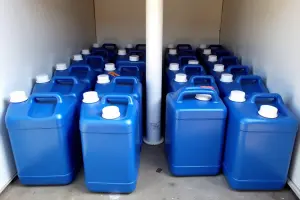
Product Characteristics: Formaldehyde is a colorless liquid, easily polymerized, and readily soluble in water, alcohol, and ether. It is rapidly oxidized to formic acid in air, acting as a strong reducing agent. Commercially supplied in liquid form as formalin (37-50% solution with methanol as stabilizer).
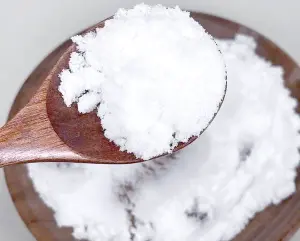
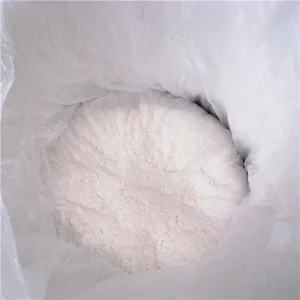
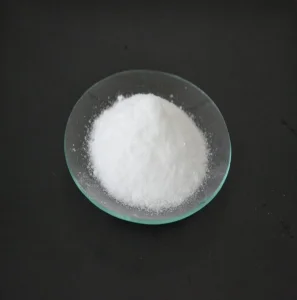
White crystalline powder from formaldehyde & ammonia condensation. Versatile organic chemical intermediate for industrial manufacturing, pharmaceutical synthesis, and rubber processing. CAS No. 100-97-0, Formula: C6H12N4.
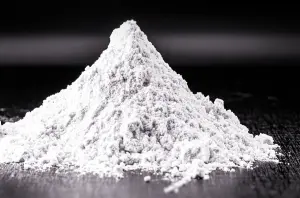
White powdery solid with a flammable odor of formaldehyde. Linear polymer of formaldehyde with no fixed melting point. Specs: Purity ≥96%, Solubility ≤40 minutes, Formic acid ≤0.05%, pH: 5-7.
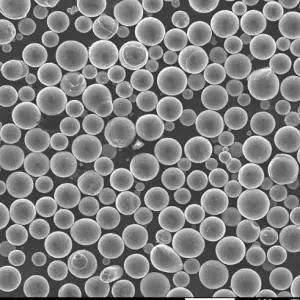
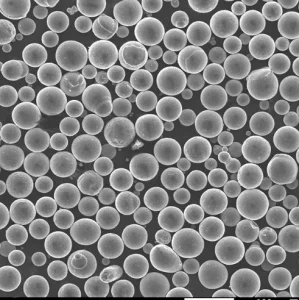
High purity atomized alloy. Used in energetic applications, metallurgy, and additive manufacturing. Offers controlled particle size distribution, high sphericity, and reliable chemical performance under extreme reaction requirements.
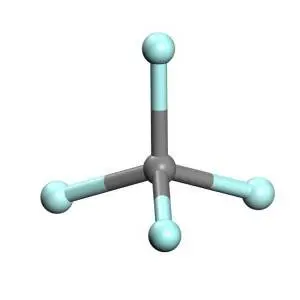
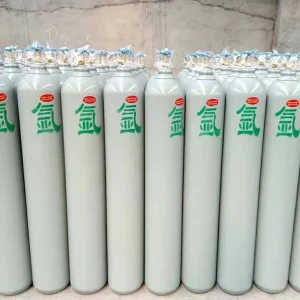
High-purity halogenated gas utilized in semiconductor etching, microelectronics manufacturing, and industrial refrigeration applications. Extensively purified to match strict global electronic standards.
Comprehensive solutions, commercial policies, and processing parameters for purchasing managers and chemical engineers.
Advanced high-purity process components, inorganic salts, and specialty liquid monomers manufactured for demanding high-tech applications.
 Yanxatech