 Yanxatech
1 / 1
Liquid Styrene Butadiene Rubber (LSBR) is a low molecular weight copolymer of butadiene and styrene with a molecular weight of 2000-10000, which has excellent electrical insulation and physical properties, and is therefore often used in the field of circuit boards, adhesives, sealing materials, etc. LSBR and liquid polybutadiene (LPB) compared to a higher glass transition temperature and better heat and wear resistance. In the processing of copper-clad laminates, the use of LSBR replaces LPB and improves the flow of glue during processing.
Excellent electrical insulation, physical properties, high glass transition temperature, and superior heat and wear resistance.
Widely applied in the manufacturing of circuit boards, adhesives, sealing materials, and related industries.
Effectively replaces LPB in copper-clad laminates processing, significantly improving glue flow during processing.
| Product grade | LSBR-1 | LSBR-2 | LSBR-3 | LSBR-4 |
|---|---|---|---|---|
| Number average molecular weight | 3000 | 3000 | 5000 | 5000 |
| Styrene content (mol %) | 8-12 | 15-20 | 8-12 | 15-20 |
| Vinyl content (wt. %) | 80-90 | 80-90 | 80-90 | 80-90 |
| Viscosity (45°C, Pa-s) | < 60 | < 300 | < 150 | < 500 |
| Volatile matter (%) | ≤ 2 | |||
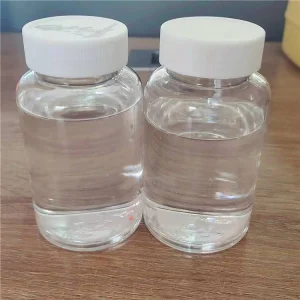
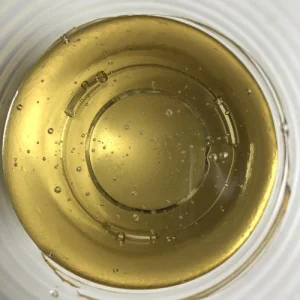
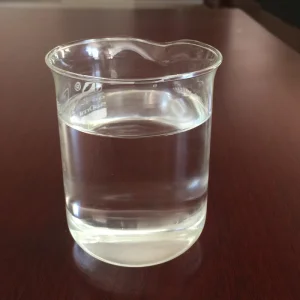
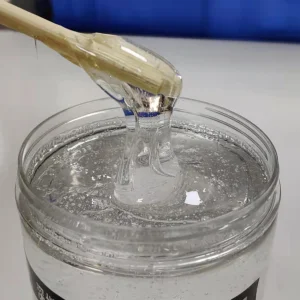
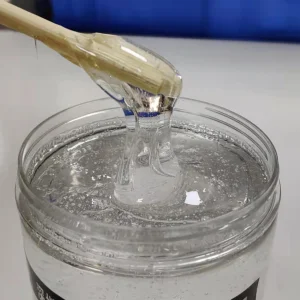
| Appearance | Light-colored viscous liquid | |||
LSBR is a low molecular weight copolymer of butadiene and styrene (molecular weight of 2000-10000) that offers excellent electrical insulation and physical properties.
LSBR is commonly used in the fields of circuit boards, adhesives, and sealing materials.
Compared to LPB, LSBR offers a higher glass transition temperature along with better heat and wear resistance.
Replacing LPB with LSBR in the processing of copper-clad laminates helps to improve the flow of glue during processing.
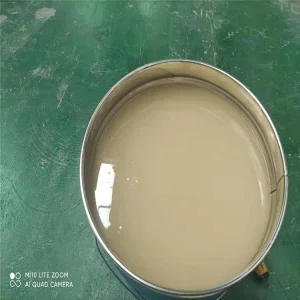
LSBR is a light-colored viscous liquid with a volatile matter content of ≤ 2%.
At 45°C, the viscosity values are < 60 Pa-s for LSBR-1, < 300 Pa-s for LSBR-2, < 150 Pa-s for LSBR-3, and < 500 Pa-s for LSBR-4.