Premium grade liquid rubbers, functional modifiers, gas solutions, and metallic powders optimized for advanced industrial sealants and compound manufacturing.
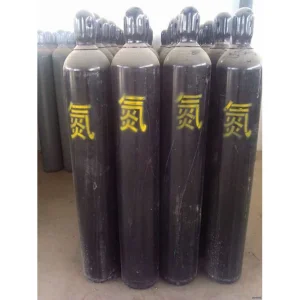
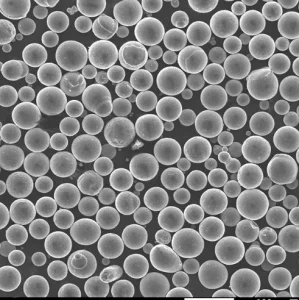
Collaborating with top manufacturers and national research institutes to push polymer chemistry and metal alloy boundaries.
We adhere strictly to specialized safety standards and customer technical requests, guaranteeing on-time compliance delivery.
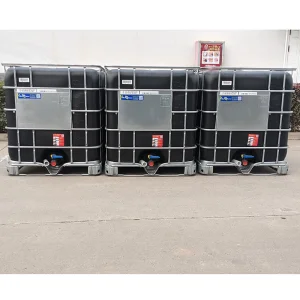
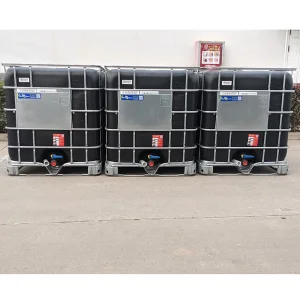
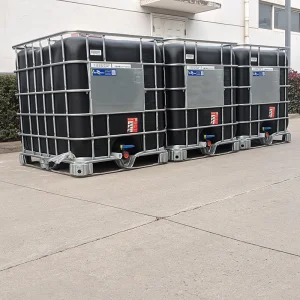
Safe handling of dangerous goods and highly reactive polymers with custom barrier packing to prevent oxidation and deterioration.
In the modern industrial landscape, high-performance sealing systems act as a critical line of defense for critical applications spanning aerospace, microelectronics, automotive engineering, renewable energy, and heavy duty infrastructures. Traditional vulcanized rubbers are increasingly failing to meet the complex demands of high-vacuum environments, volatile temperature fluctuations, dynamic mechanical stressors, and corrosive atmospheres. Consequently, the global supply chain has experienced a profound structural paradigm shift towards advanced liquid rubber compounds and chemically modified elastomers. Materials such as Hydroxyl-Terminated Butadiene-Styrene Random Copolymer (HTBS), Amino-Terminated Nitrile Butadiene Rubber (ATBN), Epoxidized Polybutadiene (EPB), and Maleic Anhydride Grafted Polybutadiene (MLPB) have emerged as essential structural components.
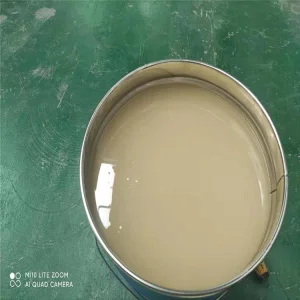
As a leading supplier in the field of specialty materials in China, Yanxatech System Industries Limited (YANXA) has spearhead the development, manufacture, and distribution of these crucial chemical agents since 2008. By combining raw polymeric innovation with localized chemical solutions, YANXA caters to the stringent, multi-layered requirements of worldwide procurement agencies seeking reliable mechanical profiles, tailored viscosity levels, and optimal cost-efficiency.
Strategic Industry Insight: The incorporation of liquid rubber sealants into modern industrial design is not merely a replacement of solid elastomeric gaskets; it represents an upgrade to structural integrity, chemical crosslinking optimization, and gas barrier properties at the microscopic level.
The progression of sealant technology can be mapped directly through the chemical modification of polybutadiene and synthetic rubber backbones. The early reliance on simple prepolymers has given way to highly precise, molecular-weight-targeted elastomers that feature selective end-group terminations or grafted lateral groups. The physical chemistry of these liquid rubbers determines their ultimate performance profiles:
Purchasing directors and development engineers from major international organizations face three principal challenges when securing raw elastomer supplies: consistent batch-to-batch polymer dispersion, international hazardous logistics compliance, and technical validation parameters. YANXA addresses these core concerns through comprehensive integration across manufacturing networks and academic research centers in China.
From an intent-mining perspective, global buyers seeking liquid rubber sealants typically do not buy these polymers for direct, out-of-the-box application. Instead, they require raw chemical intermediate stocks tailored for high-temperature compound blending, mechanical dampening coatings, and structural potting formulations. Consequently, YANXA provides comprehensive technical documentation, including precise viscosity profiles, amine value determinations, epoxide equivalent weight specifications, and glass transition temperature (Tg) datasheets.
In addition to polymeric elastomers, YANXA provides essential reagents, modifiers, and industrial chemicals that form a complete manufacturing ecosystem. Below are the precise technical details for key offerings within our catalog:
Formaldehyde is a vital chemical intermediate, widely utilized in the production of synthetic resins, polyethers, and crosslinking agents for elastomers. It is highly reactive and serves as a primary block in polymer synthesis.
Hexamine is a multi-functional heterocyclic organic compound used extensively as a curing agent in phenolic resins, a vulcanization accelerator in rubber compounds, and a key raw intermediate in pharmaceutical synthesis.
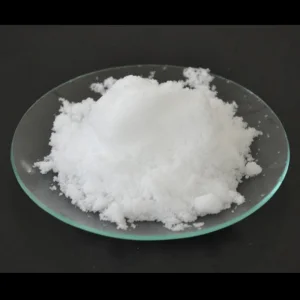
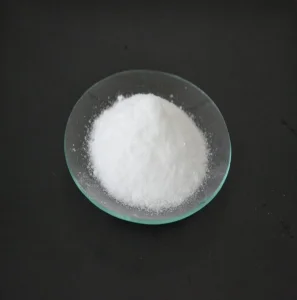
Paraformaldehyde is the solid polymer of formaldehyde, providing a low-water-content alternative for resin synthesis, plastic manufacturing, and rubber compounding without introducing excess water into reaction mixtures.
| Item Specification | Premium Grade (96% Min) | Standard Grade (92% Min) |
|---|---|---|
| Appearance | White Powder / Granular Solid | White Powder / Granular Solid |
| Formaldehyde Content | ≥ 96.0% | ≥ 92.0% |
| Solubility (in hot water) | ≤ 40 Minutes | ≤ 40 Minutes |
| Formic Acid Content | ≤ 0.05% | ≤ 0.05% |
| pH Range | 5.0 - 7.0 | 5.0 - 7.0 |
The liquid seal market is experiencing a profound transition driven by global regulatory pressures and green-chemistry mandates. As VOC (volatile organic compound) emissions rules tighten across Europe, North America, and parts of Asia, sealant manufacturers are turning to solvent-free reactive liquid systems. Key technological trends shaping the decade include:
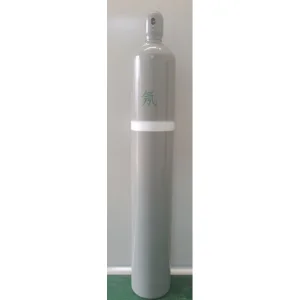
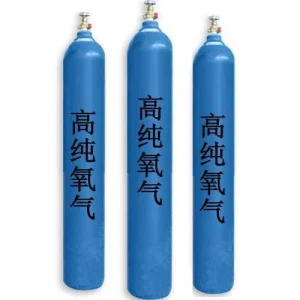
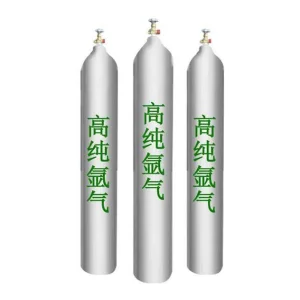
Explore our comprehensive list of specialty reagents, industrial gases, and organic intermediates designed for compounding and cross-industry applications.
 Yanxatech