Discover Yanxatech's leading selection of high-purity chemical compounds, specialty alloys, and liquid rubbers engineered for structural, metallurgic, and polymer modifications.
Polyethylene Glycol (PEG), specifically formulated with target molecular weights (most commonly PEG 1000 for optimum cellular penetration and retention), represents the gold standard in chemical stabilization technology for green wood, fresh timber cuts, and sensitive archaeological artifacts. Freshly harvested green timber contains massive volumes of water stored inside the cell lumens (free water) and within the cellulosic cell walls (bound water). As the wood undergoes natural drying, the evacuation of bound water below the fiber saturation point (FSP, typically ~30% moisture content) introduces severe capillary stresses, driving localized shrinkage, checking, warp, cupping, and structural failure.
By leveraging PEG wood stabilization, industrial processors and manufacturers impregnate the timber's cellular framework with a highly stable, non-volatile, and water-soluble polymer. The PEG molecules replace the evaporating bound water molecules inside the cell walls. By bonding directly with the hydroxyl (-OH) groups of cellulose, hemicellulose, and lignin via strong hydrogen interfaces, PEG acts as a physical bulking agent. Once the polymer solidifies within the cell wall matrix, it locks the wood in a permanent "green" state, physically preventing the cellular structures from collapsing or shrinking during final seasoning. This allows green wood to be machined, carved, and integrated into structural assemblies with virtually zero dimensional variation.
Industrial wood processing sectors face strict sustainability targets, demanding high-efficiency chemical stabilizers that present zero environmental footprint while maximizing yield from rare, high-value timber species.
Traditional kiln-drying of green wood slabs, particularly exotic hardwoods (such as walnut, oak, and eucalyptus), often results in up to 30% material loss due to checks, radial splits, and twist. Yanxa's PEG treatments reduce these waste margins to under 2%, optimizing raw material investment.
Waterlogged archaeological wood salvaged from marine environments undergoes irreversible cellular collapse if allowed to dry naturally. Our low-molecular-weight Polyethylene Glycol solutions gently displace the water over prolonged immersion, preserving historical structural integrity permanently.
Unlike traditional heavy-metal preservative treatments (such as CCA or pentachlorophenol), PEG is bio-friendly, non-hazardous, and safely handled in green building initiatives and consumer-facing architectural woodworking.
Wood treated with our stabilizing PEG formulas achieves a highly uniform density profile, facilitating superior precision during carving, turning on CNC lathes, and accepting advanced polymer resin fills.
Wood stabilization parameters demand specific molecular weights depending on target wood densities, grain characteristics, and application conditions. Below are the core technical specifications for our Polyethylene Glycol (PEG) polymers.
| Polymer Grade | Average Molecular Weight | Physical Form (at 25°C) | Solubility in Water | Ideal Application Scenario |
|---|---|---|---|---|
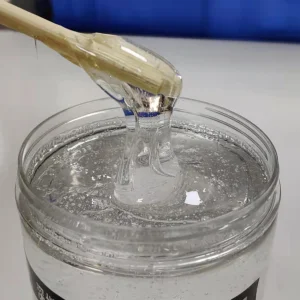
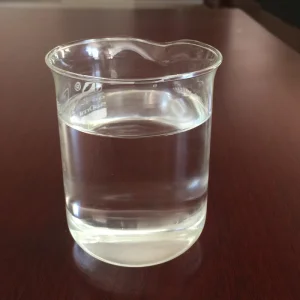
| PEG 200 / 400 | 190 – 420 g/mol | Viscous Clear Liquid | Completely Miscible | Rapid penetration of highly dense hardwoods, cold-bath applications. |
| PEG 1000 | 950 – 1050 g/mol | Soft Wax / Semi-solid | ≥ 70% w/w at 20°C | Standard optimization for green wood slabs, carvings, and turnings. |
| PEG 1500 | 1400 – 1600 g/mol | Waxy Solid flakes | ≥ 65% w/w at 20°C | Specialized structural timber stabilization and preservation. |
| PEG 4000 / 6000 | 3600 – 7000 g/mol | Hard White Flakes / Powder | ≥ 50% w/w at 20°C | Archaeological preservation of severely degraded waterlogged wood structures. |
Industrial wood treatment requires careful calibration of concentration, temperature, and soak durations. The primary methodologies recognized globally by wood specialists include:
Ideally suited for green wood turners and artisanal furniture makers. The green timber is completely submerged in a 30% to 50% PEG-1000 water solution. As the water inside the wood structure naturally diffuses out, the dissolved PEG molecules move inward, settling inside the cell walls over a period of 2 to 8 weeks depending on wood thickness.
For high-throughput industrial wood manufacturing plants. Wood packs are placed inside a sealed pressure vessel. A vacuum is pulled to extract air from the wood cells, followed by flooding the chamber with heated liquid PEG solution and applying high hydraulic pressure. This forces the PEG deep into the structural heartwood in hours rather than weeks.
Yanxatech System Industries Limited (hereinafter referred to as YANXA) is one of the growing suppliers in the field of specialty materials in China. Starting from a fledgling small business unit in 2008, YANXA is driven with the passion of developing a broad international market in areas relating to the chemical and mechanical industries.
Thanks to our team’s enduring and persistent work and our business partners’ long-lasting support, YANXA has steadily and vigorously grown into a company with excellence in delivering products and services relating to specialty chemicals.
Quality, safety and efficiency prevail over all values in our business. We care about what our customers need regarding general products, as well as their unique and specific requirements for newly developed applications, in a timely manner. We adhere strictly to technical requirements and make deliveries in almost perfect conformity.
Chemical business processes expose more safety concerns than other industrial sectors. We undertake all activities involving chemicals in a safe way to ensure the safety of human health and the environment. Our factory has grown into a premier ISO9001:2008 certified manufacturer of high-quality, cost-effective products.
Cooperating with leading manufacturers and renowned research institutes in the field of specialty chemicals in China, YANXA is highly capable of supplying: 1) liquid rubber; 2) nitrate; 3) metal powder & metal alloyed powders, along with specialized industrial gases and chemical intermediates.
Discover our core line of industrial chemical intermediates and specialized metal alloy powders manufactured under strict ISO quality controls.
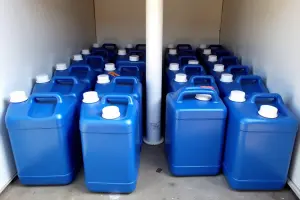
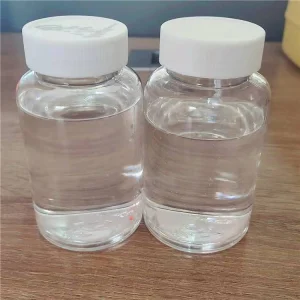
Formaldehyde is a colorless liquid, easily polymerized, and readily soluble in water, alcohol, and ether. Supplied in liquid form as formalin, a 37-50% solution with methanol as a polymerization inhibitor.
More Details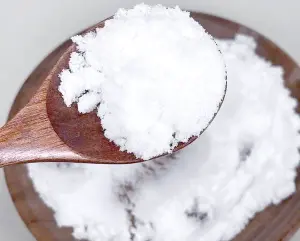
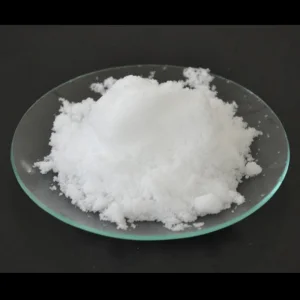
A white crystalline powder produced by the condensation reaction of formaldehyde and ammonia. CAS No.: 100-97-0. A versatile organic chemical intermediate for industrial manufacturing.
More Details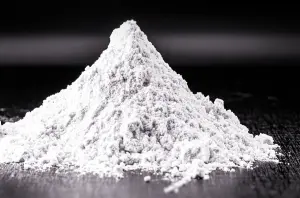
A white powdery solid with a flammable odor of formaldehyde. Linear polymer with high purity options (>=96% or >=92%) and quick solubility.
More Details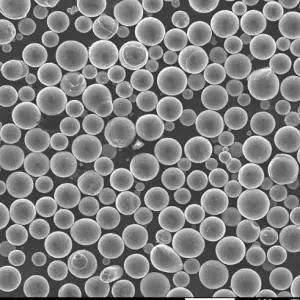
Manufactured for specialized pyrotechnic, aerospace, and metallurgical applications requiring high spherical uniformity and strict particle size distributions.
More Details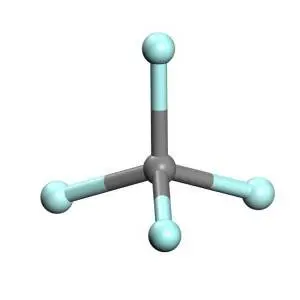
Highly stable halogenated halocarbon gas used extensively in semiconductor plasma etching and electronic cooling circuits.
More Details
Premium calcium salt of phosphoric acid utilized in food processing, plastic stabilization, and ceramics manufacturing.
More Details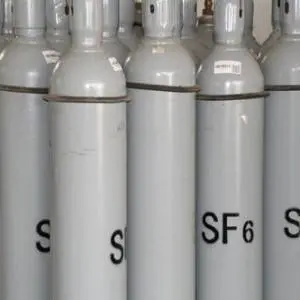
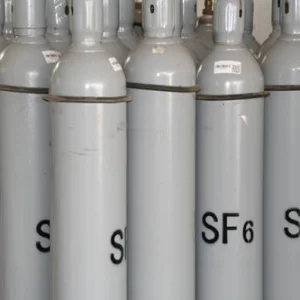
Highly insulating dielectric gas utilized in high-voltage circuit breakers, electrical switchgear, and utility equipment.
More DetailsTo maintain our status as an industry leader, YANXA's research divisions focus heavily on improving the longevity, recyclability, and polymer configuration of wood bulking chemicals.
Our lab team is currently testing green ethylene glycol polymers derived from biological feedstocks (like sugarcane ethanol) rather than petrochemical processes, allowing us to deliver 100% bio-based PEG wood stabilizers by 2026.
Standard Polyethylene Glycol remains water-soluble and can leach out of wood if subjected to constant outdoor rain. We are introducing reactive functional groups into the PEG polymer chain that allow thermal curing, permanently cross-linking the PEG within the cell walls to prevent leaching.
PEG replaces the internal cell wall moisture physically, acting as a structural spacer. When wood dries, it cannot collapse or warp because the solid PEG polymer blocks cell wall shrinkage. Traditional kiln drying relies on tension control, which frequently fails in complex grains and dense woods, resulting in cracks and splits.
Yes. However, because PEG is a waxy polymer, standard water-based adhesives may have reduced adhesion. Polyurethane glues and epoxy resins perform exceptionally well on PEG-treated woods. For finishing, oil-based polyurethane, lacquers, and epoxy coatings are highly recommended.
Yes, we require all international orders to have an ongoing minimum order quantity. For specific molecular weight batches of PEG and chemical compounds, please contact our sales office with your specification requirements for detailed quotes.
We provide full chemical transparency dossiers, including Certificate of Analysis (COA), Certificate of Conformance (COC), Material Safety Data Sheets (MSDS / SDS), Export customs declarations, and certificates of origin for smooth import operations.
For samples, the lead time is about 7 days. For mass production, the typical lead time is 20-30 days after receiving the deposit payment. Lead times become effective when we receive your deposit and get your final confirmation of product specifications.
You can make payments directly to our corporate bank account. Our standard terms are 30% deposit in advance, with the remaining 70% balance settled against the copy of B/L by T/T or L/C at sight.
We strictly utilize heavy-duty, UN-approved export-grade packaging. For hazardous materials or temperature-sensitive chemicals, we implement thermal insulation and specialized dangerous goods (DG) packaging to guarantee full structural safety during maritime and intermodal transit.
Browse our supplementary range of raw materials, gaseous agents, and inorganic metal salts configured for specialized industrial formulations.
 Yanxatech