 Yanxatech
1 / 1
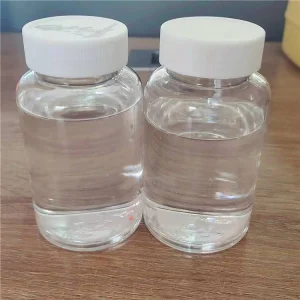
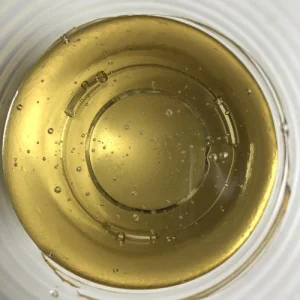
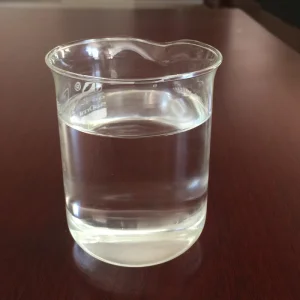
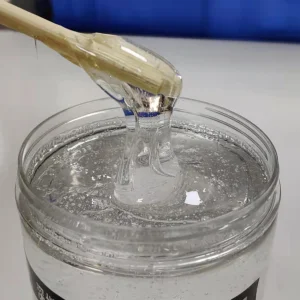
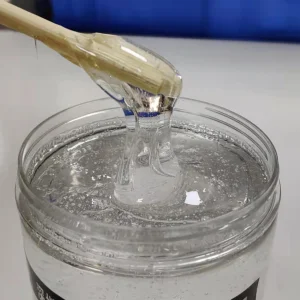
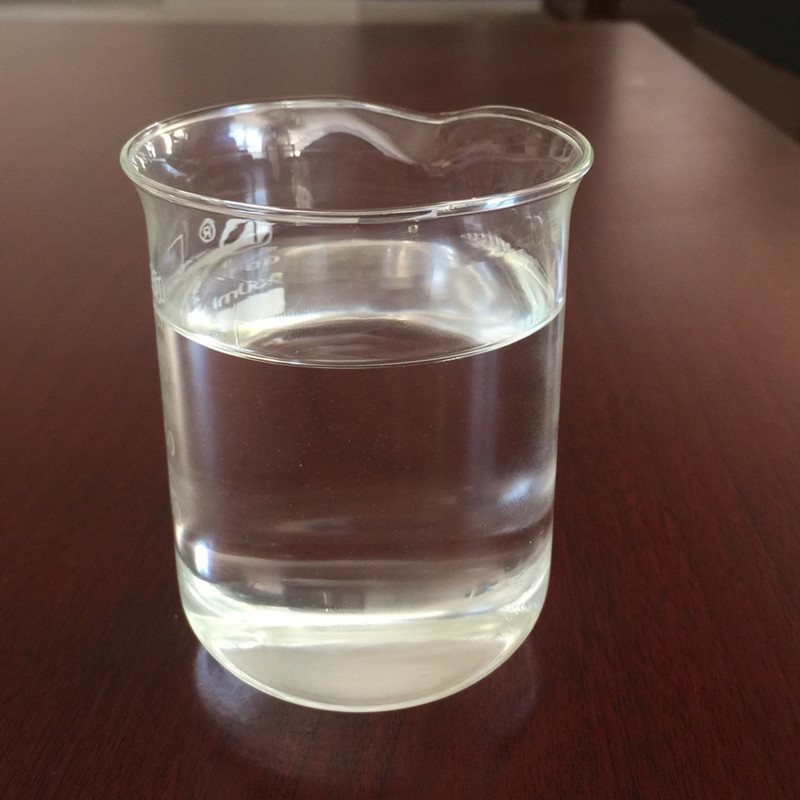
HTBN is a liquid nitrile rubber with hydroxyl functional groups at both ends of the molecular chain. It has the same physical and chemical properties as nitrile rubber, and it can be cured with an isocyanate curing agent with good reactivity and processing performance.
It features excellent oil resistance, heat resistance, abrasion resistance, and strong adhesion. Mainly used in adhesives, coatings, and resin toughening agents, it effectively enhances the toughness, adhesion, durability, oil resistance, and heat resistance of composite materials.
| Item | HTBN-I | HTBN-II |
|---|---|---|
| Molecular mass | 2000-3000 | 2000-3000 |
| Hydroxyl value, mmol/g | 0.8-1.2 | 0.8-1.2 |
| Acrylonitrile content | 10-18 | 20-28 |
| Viscosity (40℃), Pa-s | ≤ 100 | ≤ 300 |
| Water mass fraction, % | <0.05 | <0.05 |
HTBN is a liquid nitrile rubber containing hydroxyl functional groups located at both ends of its molecular chain. It shares similar physical and chemical properties with conventional nitrile rubber.
HTBN can be easily cured using an isocyanate curing agent, which offers highly efficient reactivity and excellent overall processing performance.
It provides outstanding resistance to oil, heat, and abrasion, along with exceptionally strong adhesion properties.
HTBN is mainly used in adhesives, protective coatings, and as a resin toughening agent to enhance the toughness, adhesion, durability, oil resistance, and heat resistance of composite materials.
The main differences lie in their acrylonitrile content and viscosity. HTBN-I features an acrylonitrile content of 10-18 and a viscosity of ≤ 100 Pa-s (at 40℃), while HTBN-II features an acrylonitrile content of 20-28 and a viscosity of ≤ 300 Pa-s (at 40℃).