Explore our high-performance metal salts, specialty gas formulations, and high-purity chemical manufacturing capabilities.
In the modern landscape of precision industrial chemical synthesis, the synergistic supply of Copper Nitrate [Cu(NO₃)₂] and Sodium Hydroxide [NaOH] forms the foundation for advanced catalysts, chemical mechanical planarization (CMP) slurries, agricultural applications, and metal surface treatments. Yanxatech System Industries Limited (YANXA), established in 2008, has evolved from a targeted specialty materials business unit into a premier global supply partner.
Operating under rigorous ISO criteria and in coordination with top-tier research institutes, YANXA provides comprehensive industrial support. We bridge the gap between chemical production and high-value industry applications, ensuring that chemical parameters such as hydration states, metal impurities, and alkalinity percentages are customized to your exact technical specifications.
How wholesale Copper Nitrate and Sodium Hydroxide drive critical global industrial ecosystems.
Copper Nitrate serves as the vital source of copper ions in the synthesis of highly active catalysts (such as Cu/ZnO/Al₂O₃) used for methanol production, water-gas shift reactions, and selective catalytic reduction (SCR) processes. Precise reaction with high-purity Sodium Hydroxide allows control over precipitation morphology, yielding catalysts with optimal surface areas.
In the semiconductor industry, Copper Nitrate finds applications in metal surface treatment formulations and circuit board etching. Simultaneously, the compound is heavily utilized in high-performance pyrotechnics and solid-state gas generators, requiring strict control over secondary metallic contaminants (e.g., Sodium, Iron, Nickel).
Sodium Hydroxide (Caustic Soda) is a ubiquitous strong base required across major industries, including pulp and paper manufacturing, textile processing, wastewater treatment, and saponification for large-scale soap and surfactant production. Consistent alkalinity and low carbonate levels are essential to prevent process scaling.
Chemical insights, structural characteristics, and processing interactions under standard reaction conditions.
Copper(II) Nitrate is typically produced industrially by dissolving copper metal in concentrated nitric acid or by reacting copper oxide with nitric acid. The reaction generates nitrous gases which must be carefully managed to meet modern emissions standards:
The crystallization process typically yields Copper Nitrate Trihydrate [Cu(NO₃)₂·3H₂O] (CAS No. 10031-43-3) or Copper Nitrate Hexahydrate [Cu(NO₃)₂·6H₂O]. The trihydrate form is a blue crystalline solid that is highly hygroscopic, requiring specialized hermetic packaging. It acts as an oxidizer (Class 5.1 Dangerous Goods) and must be isolated from combustible organic substrates.
Sodium Hydroxide [NaOH] (CAS No. 1310-73-2), also known as Caustic Soda, is produced primarily via the chloralkali process (membrane cell technology). It is supplied in solid forms (min. 99% purity pearls or flakes) or as a 50% aqueous solution.
When these two industrial chemicals interact, they undergo a rapid double-replacement reaction to yield Copper Hydroxide [Cu(OH)₂], a precursor to copper oxide nanoparticles and basic copper carbonates:
To avoid the undesired thermal conversion of copper hydroxide to copper oxide (CuO) during precipitation, the reaction must be performed under carefully controlled temperature regimes (typically below 20°C) and controlled pH ranges (9.5 to 11.5). Industrial factories rely on precise stoichiometry, speed of agitation, and raw material purity to manipulate the precipitate's specific surface area (BET surface area), crystal phase, and average particle size distribution.
Addressing modern global distribution, regional pricing variables, and hazardous material shipping regulations.
The international chemical market is heavily impacted by environmental legislation, volatile raw material pricing (specifically raw copper metal LME index and energy-intensive chloralkali production costs), and maritime transport restrictions. As a leading manufacturer and exporter, YANXA ensures seamless international logistics for both oxidizers (Copper Nitrate) and corrosives (Sodium Hydroxide).
Copper Nitrate is classified under UN Number 3085 (Oxidizing Solid, Corrosive, N.O.S.) or UN Number 1477 (Nitrates, Inorganic, N.O.S.), class 5.1. Sodium Hydroxide falls under UN Number 1823 (Solid) or UN Number 1824 (Liquid), Class 8. YANXA implements heavy-duty UN-approved packaging (such as multi-layer PE bags with moisture barrier liners, housed within steel or fiber drums) to ensure zero leaks, damp-prevention, and transport safety.
To comply with the strict demands of European and American chemical regulations, every production run is analyzed via inductively coupled plasma mass spectrometry (ICP-MS) and X-ray diffraction (XRD). YANXA issues comprehensive documentation including:
Our ongoing research into low-waste manufacturing and carbon neutrality.
As a forward-looking industrial supplier, Yanxatech is actively developing sustainable chemical manufacturing processes. Our engineering teams are working on closed-loop nitric acid recovery systems that convert nitrous oxide emissions back into active nitric acid feedstocks, minimizing our ecological footprint.
Furthermore, we are optimizing the particle size control of Sodium Hydroxide flakes to minimize dust inhalation risks in factory floors. We are also refining crystallization processes for Copper Nitrate to extend its shelf-life without clumping under humid storage conditions.
Originally published chemical categories and factory data maintained in YANXA's active portfolio.
About Our Company & Business Philosophy:
Quality, safety, and efficiency prevail over all values in our business. We address what our customers need on general products as well as their unique and specific requirements for newly developed applications in a timely manner. We adhere strictly to technical requirements and deliver products with near-perfect conformity.
Since chemical operations present higher safety concerns than other industrial sectors, we execute all handling activities in a safe manner to protect human health and preserve the local environment.
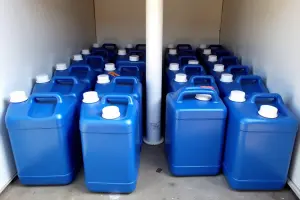
Colorless liquid, easily polymerized, readily soluble in water, alcohol, and ether. Supplied in liquid form as formalin (37-50% solution).
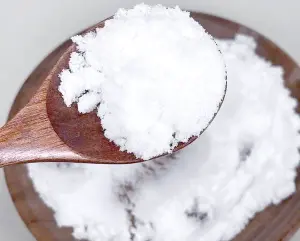
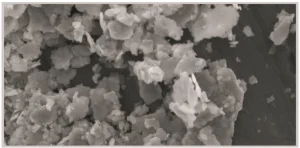
CAS No. 100-97-0. C₆H₁₂N₄, 140.19 g/mol. Crystalline powder produced by the reaction of formaldehyde and ammonia.
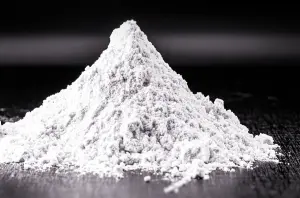
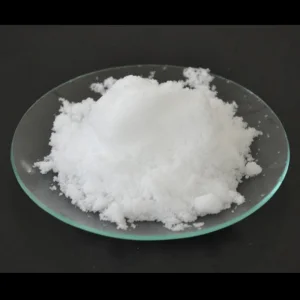
White powdery solid with an active formaldehyde odor. Solid linear polymer of formaldehyde with no fixed melting point.
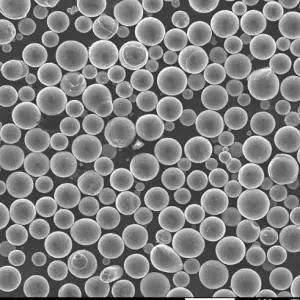
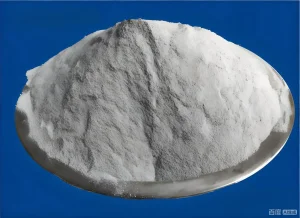
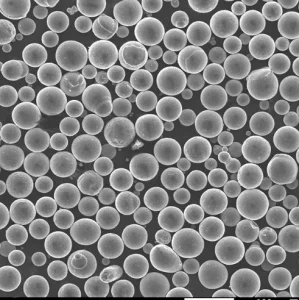
High-purity spherical alloyed powder for advanced metallurgical, aerospace, and chemical synthesis additives.
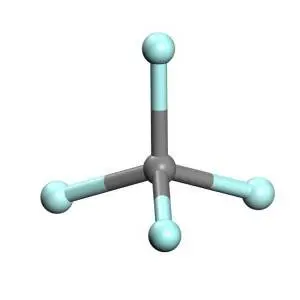
High-purity electronic etching gas utilized in dry processing of semiconductor wafers.
Food grade and industrial grade phosphate compound used in nutrition formulations and ceramic production.
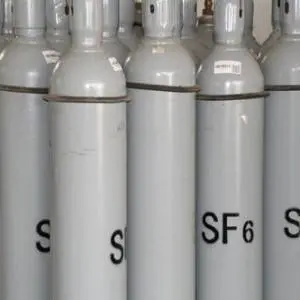
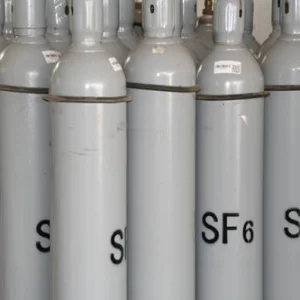
Gaseous dielectric medium used in electrical grids, high voltage circuit breakers, and power lines.
Addressing direct technical, logistics, commercial, and quality assurance questions from procurement managers.
Our pricing structures are dynamic and depend on metal exchange rates (such as the LME copper index for Copper Nitrate), natural gas costs, chlorine costs (for Sodium Hydroxide), and order quantities. Once your procurement team contacts us with your annual projections and purity specifications, we will provide an updated, customized price list.
Yes, because chemical synthesis, regulatory filings, and hazardous goods container configurations require structured handling, we enforce an ongoing minimum order quantity for all international orders. For small trial runs, please check our available sample policy or reach out directly to check current inventories.
Absolutely. We supply Certificates of Analysis (COA) / Conformance, comprehensive GHS-compliant Safety Data Sheets (SDS), international marine cargo transport certificates, and product liability insurance documentation, as well as certificates of origin to facilitate smooth customs clearance.
Sample evaluations typically ship within 7 days. For standard commercial scale production campaigns, lead times average between 20 to 30 days once deposit or L/C conditions are met and custom particle size or concentration parameters are approved.
We support telegraphic bank transfers (T/T), requiring a 30% deposit in advance and the remaining 70% balance settled against the Bill of Lading copy, or an irrevocable Letter of Credit (L/C) at sight.
Safety is built into our core culture. We use hermetic heat-sealed PE barrier liners, reinforced UV-stabilized heavy drums, and specialized container locking setups. We operate alongside dangerous goods handlers specialized in sea logistics of Class 5.1 (oxidizers) and Class 8 (corrosives) to guarantee risk-free delivery.
Complementary chemical reagents, specialty gases, and advanced metal powders from our global factories.
 Yanxatech