Serving the global specialized chemical, manufacturing, and mechanical industries since 2008 with rigorous quality protocols and reliable logistics.
Yanxatech System Industries Limited (hereinafter referred to as YANXA) stands as a prominent and rapidly expanding supplier in the high-purity specialty materials sector in China. Originating as a focused chemical division in 2008, YANXA has been propelled by a relentless commitment to cultivating a robust international presence across chemical, metallurgical, and mechanical supply chains. Through persistent research, strategic development, and enduring partnerships with Tier-1 scientific institutes, we deliver highly optimized, specialized chemicals designed for complex industrial applications.
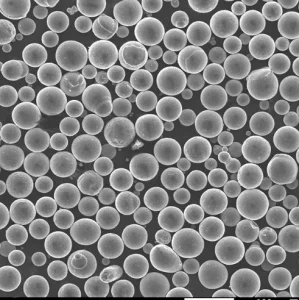
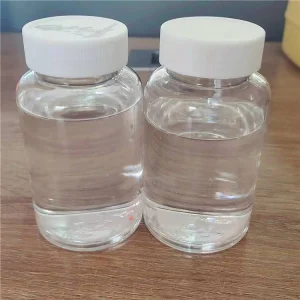
Cooperating with leading manufacturers and the renowned research institutes in the field of specialty chemicals in China, YANXA has developed an expansive catalog including liquid rubber, nitrates, and atomized metal and metal alloyed powders. Our operational model is built upon three pillars: Quality, Safety, and Efficiency. We recognize that chemical business exposures entail heightened responsibilities; hence, we implement a strict Environmental, Health, and Safety (EHS) structure to ensure all production, storage, and dangerous goods transport conforms with the highest international safety standards.
In industrial procurement and international trade, chemical nomenclature accuracy is paramount. While Sulfur Hexafluoride (SF6) is a globally recognized, stable, and highly utilized dielectric gas for high-voltage power transmission, Sulphur Hexachloride (SCl6) represents a hypervalent sulfur compound that remains a subject of advanced chemical synthesis and theoretical thermodynamic stability validation. Under standard ambient conditions, sulfur tetrachloride (SCl4) and sulfur monochloride (S2Cl2) are the dominant stable chlorinated states of sulfur. SCl6 synthesis requires extreme high-pressure coordination chemistry or cryogenically stabilized coordination matrices with halogen-acceptor catalysts.
For procurement officers, ensuring you are requesting the correct molecular configuration is critical. If your application demands a highly stable dielectric gas, you are likely looking for Sulfur Hexafluoride (SF6). If your processes require aggressive chlorinating agents, vulcanization accelerators, or precursors for organosulfur synthesis, sulfur chlorides (mono-, di-, or tetrachloride variants) or custom coordinated chlorinated complexes are the industry standards. YANXA provides comprehensive consultation to align your target specifications with the exact chemical configuration required.
The global procurement landscape for high-purity sulfur-chlorinated reagents and advanced dielectric sulfur compounds has witnessed robust structural growth. Key drivers include the expansion of high-voltage transmission grids, advanced semiconductor etching requirements, and high-performance synthetic rubber manufacturing. Regions such as North America, Western Europe, and East Asia maintain strict regulatory limits but demonstrate high consumption volumes.
Industrial entities seek suppliers who can guarantee not only competitive bulk pricing but also chemical purity stability. Trace contaminants such as moisture, hydrofluoric acid, or active oxyhalides can induce catalytic deterioration in high-voltage transformers or ruin delicate semiconductor wafers. Consequently, YANXA integrates rigorous analytical verification protocols—including gas chromatography and mass spectrometry (GC-MS)—to guarantee consistent purity levels.
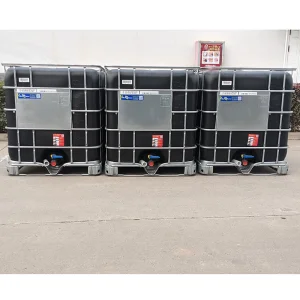
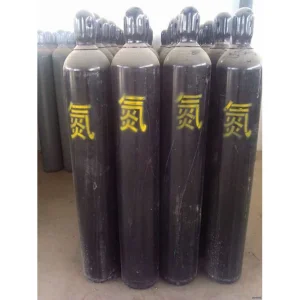
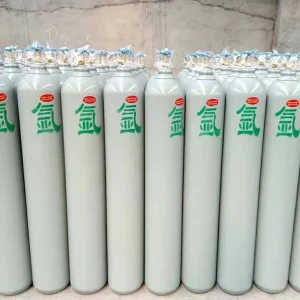
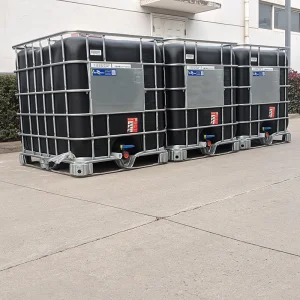
At YANXA, we look beyond the transactional supply of materials to deliver integrated, macro-level chemical logistics and chemical distribution solutions. Large-scale chemical processing plants require customized containerization, pressure-regulated storage, and closed-loop unloading systems to minimize workplace exposure. Our engineers collaborate directly with procurement and EHS teams to specify the proper cylinder valve fittings, materials of construction (such as corrosion-resistant nickel alloys or Teflon linings), and gas cabinets.
Furthermore, YANXA provides flexible contract pricing options to buffer buyers against volatile raw chemical feedstocks (chlorine and elemental sulfur pricing). Through long-term off-take agreements, we secure localized inventory, shielding our global partners from sudden supply disruptions.
The next generation of specialty chemical synthesis points toward minimized environmental footprint and localized processing. As global frameworks enforce reduced greenhouse gas emissions (especially targeting high GWP gases like SF6), the industry is actively researching replacement chemistries. This technical shift involves evaluating new fluoronitrile/carbon-dioxide mixtures and stable organosulfur intermediates.
YANXA remains at the forefront of this transition. By funding research initiatives that investigate low-GWP (Global Warming Potential) alternative insulation gases and greener chlorinating reagents, we ensure our clients remain compliant with evolving regional EPA and REACH initiatives.
Ensuring absolute commercial transparency. Review our technical parameters and global supply structure below.
Please note that actual market pricing remains highly dynamic based on volume commitments, packaging configurations, raw material indexes, and delivery terms. Contact our technical sales desk for a formal, customized quote.
| Chemical Configuration | Standard Purity (Min) | Moisture Limits | Primary Packaging Type | Indicative Price Range (USD/kg) |
|---|---|---|---|---|
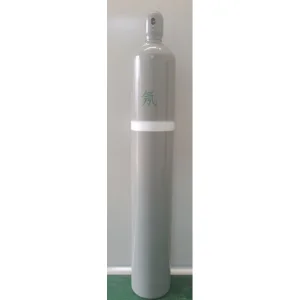
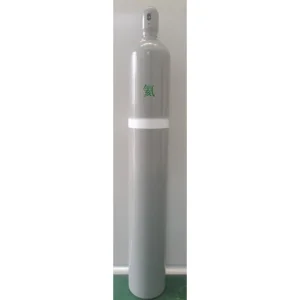
| Sulfur Hexafluoride (SF6) (Industrial Grade) | 99.9% | ≤ 8.0 ppm | 40L/50L Steel Gas Cylinders | $12.50 - $18.00 |
| Sulfur Hexafluoride (SF6) (Electronic Grade) | 99.999% | ≤ 1.0 ppm | High-Purity Treated Cylinders | $22.00 - $35.00 |
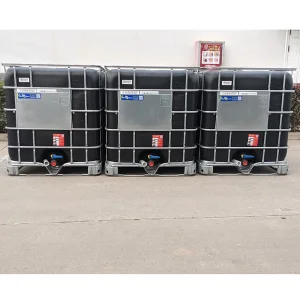
| Sulfur Monochloride (S2Cl2) (Reagent Grade) | 98.0% | N/A (Anhydrous) | ISO Tanks / Drum (200L) | $1.80 - $3.20 |
| Sulfur Dichloride (SCl2) | 99.0% | N/A (Anhydrous) | Hazardous-Material Drums | $2.10 - $4.00 |
| Liquid Rubber Precursors (e.g., HTBS) | Varies by Spec | ≤ 0.05% | Steel Drums / Flexitanks | Contact for Quote |
All international export processes strictly align with REACH, TSCA, and regional dangerous goods safety mandates. Comprehensive SDS (Safety Data Sheets) and COA (Certificate of Analysis) are issued with every batch.
Safe handling and shipping of Class 2.3 (Toxic Gases), Class 2.2 (Non-Flammable Gases), or Class 8 (Corrosives). We utilize specialized double-walled packaging and reinforced cylinders for trans-oceanic shipping.
Our state-of-the-art facility supports custom blending, gas purification, and precision cylinder filling. Whether you require micro-cylinders or ISO tank volumes, our infrastructure is built to scale.
Below are the technical profiles of our primary chemical compounds, ensuring full transparency of molecular performance.
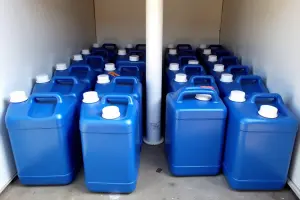
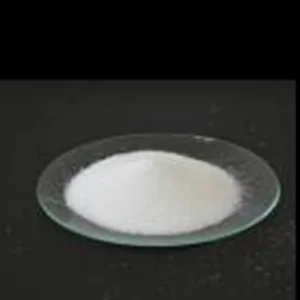
Product Characteristics: Formaldehyde is a colorless, highly reactive gas easily polymerized, and highly soluble in water, alcohol, and ether. Commercially supplied in liquid form as Formalin (37% - 50% solution) with methanol added as a polymerization inhibitor. Boiling point: -19°C (pure gas), relative density: 1.067. Active reducing agent utilized in synthetic resin synthesis.
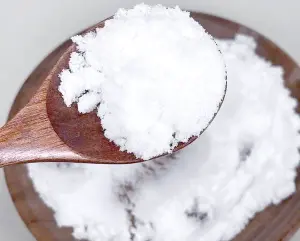
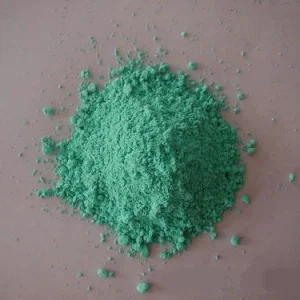
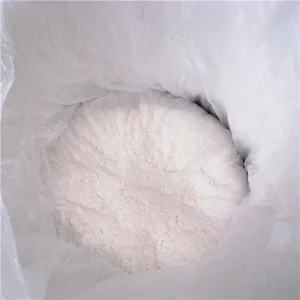
Product Overview: Also known as HMTA, this is a white crystalline powder synthesized via the condensation reaction of formaldehyde and ammonia. Crucial organic chemical intermediate utilized extensively in thermosetting resins, rubber compounding (vulcanization accelerator), explosive formulations, and pharmaceutical processing. Molecular formula: C₆H₁₂N₄.
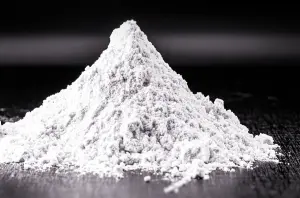
Product Features: A white solid powder with a flammable odor of formaldehyde. It serves as a linear polymer of formaldehyde without a fixed melting point. Standard active assay: ≥96% and ≥92% grades. PH levels: 5-7. Widely preferred in synthesis applications requiring minimum water introduction.
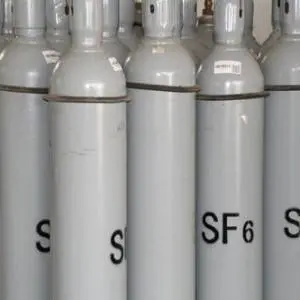
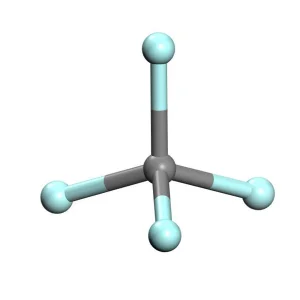
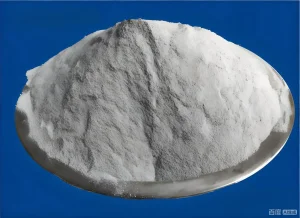
Our chemical solutions extend to atomized spherical aluminum magnesium alloy powder, sulfur hexafluoride gas (SF6), carbon tetrafluoride (CF4), and specialty liquid rubber compounds (ATBN, HTBS, EPB), catering to high-tech manufacturing, defense, and electronics sectors.
Direct, authoritative answers to critical technical, logistics, and pricing questions.
Our prices are subject to change depending on supply, raw chemical feedstock indices, and global energy factors. Once your company contacts our procurement specialists with detailed specification metrics, we will transmit our latest real-time pricelist and active contract options.
Yes, we require all international orders to have an ongoing minimum order quantity. For containerized hazardous cargo, this typically starts at 1 FCL (Full Container Load). If you require smaller test batches or research volumes, please contact our distribution office for localized distributor locations.
Absolutely. We provide comprehensive documentation packages including Certificates of Analysis (COA), Certificates of Conformance (COC), Marine Safety Data Sheets (SDS), Cargo Insurance Certificates, Certificates of Origin, and export customs declarations required for regional entry.
For standardized inventory samples, the lead time is approximately 7 days. For mass-production orders and dangerous goods packaging, the lead time is 20-30 days following receipt of deposit and technical approval. We work closely with shipping lines to expedite time-critical consignments.
We accept secure wire transfers (T/T) and documentary Letters of Credit (L/C) at sight. Our standard terms are 30% deposit in advance, with the remaining 70% balance payable against the copy of the Bill of Lading (B/L).
We guarantee the chemical composition and purity parameters specified in our agreements. If any shipment deviates from the signed COA specifications, YANXA is fully committed to addressing, resolving, and replacing the batch under our quality guarantee protocol.
We use only high-specification, certified export packaging. Hazardous chemicals are secured using specialized pressure-tested drums, cylinder cages, or temperature-monitored environments to maintain chemical integrity and guarantee environmental safety during transit.
Shipping fees are determined by the shipping destination, cargo weight, dangerous goods class, and transport mode (Ocean, Air, or Multimodal Rail). Exact freight quotations are provided once the destination port, shipment volume, and packaging terms are confirmed.
 Yanxatech