Explore our premium range of industrial metal powders, synthetic liquids, and specialty gaseous compounds designed for high-performance applications.
Est. Growth Roots
Purity Standards
Quality Certification
Global Export Destination Countries
Magnesium, as the lightest structural metal on Earth, plays a pivotal role in the modern paradigm of energy transition, heavy manufacturing, and technological breakthroughs. The worldwide market for bulk magnesium powder is entering a phase of robust growth, driven primarily by the automotive sector’s drive for vehicle lightweighting and the surging demand in steelmaking desulfurization. China stands as the primary epicenter of global production, accounting for a significant share of the global magnesium extraction and refining capacities.
The strategic position of China Magnesium Powder Bulk Suppliers and Factories has evolved beyond simple volume manufacturing. Today, these enterprises are shifting toward high-tech production methodologies—such as atomization and specialized chemical passivations—to ensure that global supply chains remain resilient, cost-effective, and safe. The industrial applications have expanded from basic pyrotechnics to sophisticated metallurgy, aerospace components, and green energy innovations, placing Chinese manufacturing directly at the core of the global material engineering grid.
"The integration of optimized particle size distribution, coupled with advanced surface treatment technologies, has transformed bulk magnesium from a hazardous commodity into a highly controllable, high-value technical raw material." – Industry Whitepaper Analysis, Yanxatech Systems.
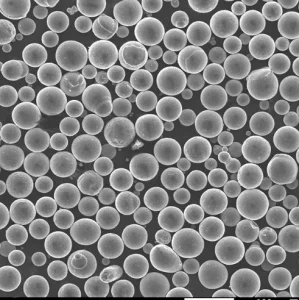
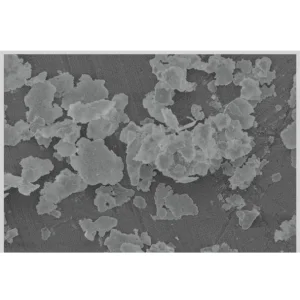
Modern industrial trends for magnesium powder focus heavily on safety, shape uniformity, and purity customization. The technical roadmap for the next decade centers on the transition from traditional mechanically ground powders to atomized spherical powders. Spherical shapes significantly decrease frictional heat during handling, enhance flowability in automated dosing units, and reduce the oxidation rate by minimizing the exposed surface area relative to mass.
By shifting to advanced inert gas atomization processes, manufacturers can supply spherical magnesium-aluminum alloys with tailored particle size distributions (PSD). This is particularly crucial for additive manufacturing (3D printing) in aerospace and medical implants, where inconsistent particle sizing can lead to structural voids and structural failure under load stress.
Untreated magnesium powder poses high explosion risks. Modern chemical passivation processes create a microscopic oxide or polymer film around each magnesium particle. This protective layer prevents immediate reaction with air moisture and oxygen while preserving the core metal's reactivity when high-temperature processing is initiated in steel desulfurization or energetic applications.
| Grade / Classification | Active Magnesium (%) | Particle Size Range | Core Application |
|---|---|---|---|
| Atomized Spherical Mg | ≥ 99.5% | 20 μm – 150 μm | Aerospace, 3D Printing, Advanced Alloys |
| Passivated Industrial Mg | ≥ 90.0% – 95.0% | 0.2 mm – 1.6 mm | Steel desulfurization, Metallurgy |
| Al-Mg Alloy Powders | Varies (typically 50/50) | 50 μm – 300 μm | Pyrotechnics, Military, Chemical Synthesis |
The demands for bulk magnesium powder vary significantly across geographical regions. For instance, in European and North American automotive hubs, magnesium powders are utilized within casting complexes to generate magnesium-aluminum alloys designed to substitute heavy structural steel inside vehicles. This reduces total body weight and significantly lowers fossil-fuel or battery energy consumption.
In developing heavy-industry hubs, magnesium powder functions as an indispensable desulfurizing agent. The direct injection of high-purity magnesium into hot metal ladles reduces sulfur contents to ultra-low levels (less than 0.005%), producing premium structural steels required for infrastructure development. Additionally, the pharmaceutical sector relies on magnesium powders as key reagents in Grignard reactions, illustrating the absolute versatility of this element.
Yanxatech System Industries Limited (hereinafter referred to as YANXA) is one of the growing suppliers in the field of specialty materials in China. Starting from a fledgling small business unit in 2008, YANXA is driven with the passion of developing a broad international market in the area relating to chemical and mechanical industries. Thanks to our team’s enduring and persistent work and our business partners’ long-lasting support, YANXA has steadily and vigorously grown into one company with excellence in delivering products and services relating to specialty chemicals.
Cooperating with leading manufacturers and the renowned research institutes in the field of specialty chemicals in China, YANXA is capable of supplying:
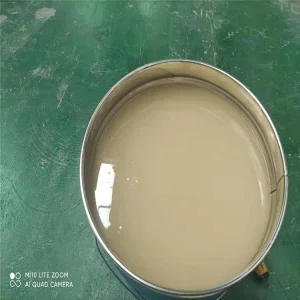
1) liquid rubber;
2) nitrate;
3) metal powder & metal alloyed powders.
Our factory has grown into a premier ISO9001:2008 Certified manufacturer of high-quality, cost-effective products, ensuring that we strictly supervise the product quality of every process.
Quality, safety, and efficiency prevail over all other values in our business. We care about what our customers need on general products as well as their unique and specific requirements for newly developed applications in a timely manner. We adhere strictly to technical requirements and make deliveries in almost perfect conformity. The chemical business exposes more safety concerns than any other industrial sector. We undertake all activities involving chemicals in a safe way to ensure the safety of human health and the environment.
Below are detailed overviews and specifications of our specialized product offerings, developed in cooperation with leading manufacturing research institutions in China.

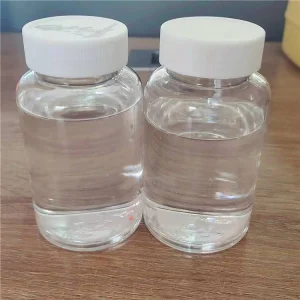
Product Characteristics: Formaldehyde is a colorless liquid, easily polymerized, and readily soluble in water, alcohol, and ether. It is rapidly oxidized to formic acid in air, acting as a strong reducing agent. Its boiling point is -19℃, freezing point -118℃, and relative density to air is 1.067. Commercially, it is supplied in liquid form as formalin, a 37-50% formaldehyde solution with a small amount of methanol added as a polymerization inhibitor. The solution is milky white and has a foul odor. Formalin readily vaporizes, releasing formaldehyde gas. Its boiling point is 96℃, relative density is 0.815/-20℃, and flash point is 55℃.

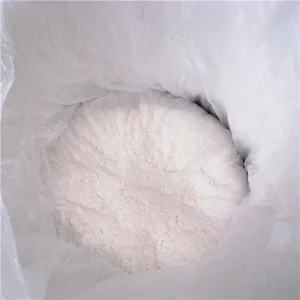
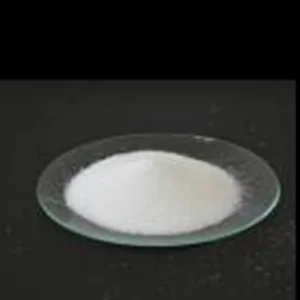
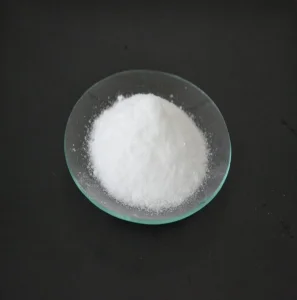
Product Overview: Hexamethylenetetramine, also known as hexamine or HMTA, is a white crystalline powder produced by the condensation reaction of formaldehyde and ammonia. It is a versatile organic chemical intermediate widely used in industrial manufacturing, pharmaceutical synthesis, rubber processing, and analytical chemistry.
• CAS No.: 100-97-0
• Molecular Formula: C₆H₁₂N₄
• Molecular Weight: 140.19 g/mol
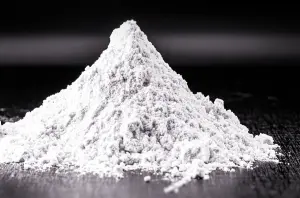
Product Features: A white powdery solid with a flammable odor of formaldehyde. It is a linear polymer of formaldehyde with no fixed melting point.
Specifications:
- Appearance: White powder/solid
- Content: ≥96% (also available in ≥92%)
- Solubility: ≤40 minutes
- Formic acid: ≤0.05%
- PH value: 5-7
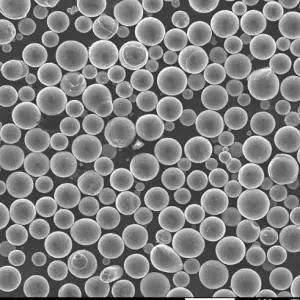
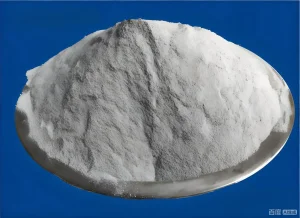
Produced using custom inert-gas atomization processes, this powder achieves an exceptional spherical morphology. It features consistent flow dynamics, making it optimal for thermal spraying, welding consumables, refractory linings, and aerospace alloy production. The structural stability minimizes oxidation during bulk storage and handling.
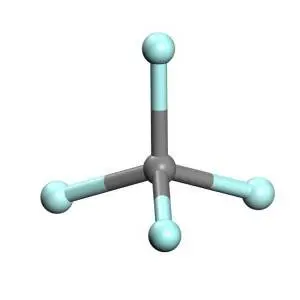
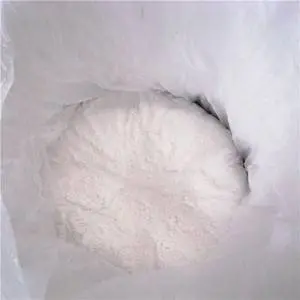
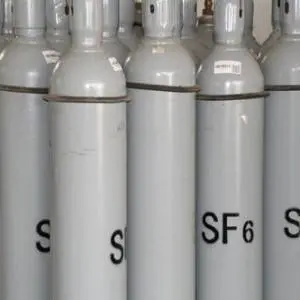
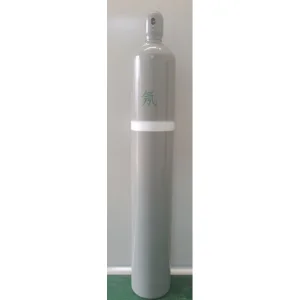
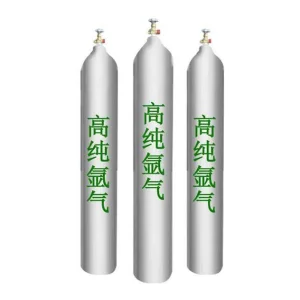
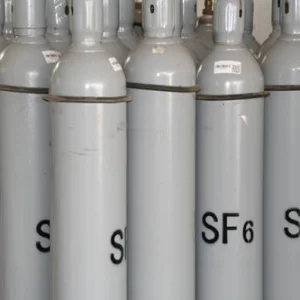
Our portfolio includes Carbon Tetrafluoride, high-quality Tricalcium Phosphate, and Sulfur Hexafluoride. These materials are certified to international specifications and undergo batch-wise analysis to guarantee conformance for application in electronics manufacturing, heavy insulation, and metallurgical processing.
Detailed technical, commercial, and safety guidelines for international procurement teams, project engineers, and quality assurance personnel.
Additional synthetic rubbers, highly purified specialty gases, and metallurgical powder compounds manufactured under rigorous ISO standards.

 Yanxatech