Premium industrial chemicals, synthetic rubbers, and functional polymers engineered to exact specifications.
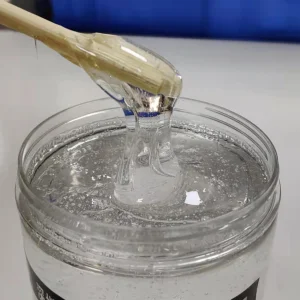
Polyethylene Glycol 500 (commonly designated as PEG 500) is a synthetic polyether compound formulated through the controlled oligomerization of ethylene oxide. Operating as a critical member of the PEG molecular family, PEG 500 exhibits physical properties that bridge the gap between liquid-state lower molecular weights (like PEG 200, 300, and 400) and semi-solid to solid polymers (such as PEG 600, 1000, and higher). With an average molecular weight of approximately 500 g/mol, this material serves as a highly versatile compound across advanced manufacturing, chemical synthesis, and pharmaceutical processing.
Chemically represented by the generalized formula H(OCH₂CH₂)nOH, where n represents the average number of repeating oxyethylene groups (typically around 11.3 for this specific distribution), PEG 500 presents exceptional stability, chemical inertness, high water solubility, and strong hygroscopicity. Because of these distinct parameters, industrial designers and synthetic chemists globally integrate PEG 500 as an intermediate, humectant, plasticizer, lubricant, and solvent carrier.
To maintain strict industrial compliance, Yanxatech (YANXA) implements rigorous chemical profiling. The following table showcases standard physical and chemical specifications of our high-grade industrial Polyethylene Glycol 500.
| Parameters | Standard Specifications (Industrial / Tech Grade) | Testing Methodology |
|---|---|---|
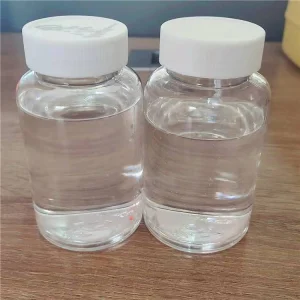
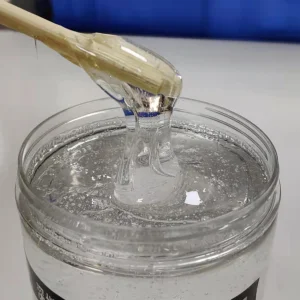
| Appearance (at 25°C) | Clear, viscous liquid to colorless paste | Visual Inspection |
| Average Molecular Weight | 475 – 525 g/mol | Hydroxyl Value Method |
| Hydroxyl Value (mg KOH/g) | 213 – 236 | ASTM E222 / Potentiometric Titration |
| pH Value (5% Aqueous Solution) | 5.0 – 7.0 | pH Meter Electrometric |
| Water Content (%) | ≤ 0.5% max | Karl Fischer Titration |
| Dynamic Viscosity (at 20°C) | 85 – 105 mPa·s | Rotational Viscometry |
| Ethylene Glycol & Diethylene Glycol | ≤ 0.25% combined limit | Gas Chromatography (GC-FID) |
The global market for specialty glycols has witnessed significant changes, with China solidifying its position as a reliable hub for high-purity chemical processing. The demand for PEG 500 is driven by its unique balance of viscosity and thermal stability. In European and North American industrial hubs, manufacturers increasingly source Chinese-manufactured glycols to streamline operational costs without sacrificing quality standards.
As an established supplier, Yanxatech (YANXA) bridges supply chains by integrating advanced domestic synthesis facilities with global logistics. Through consistent production, we mitigate the pricing volatility of raw ethylene oxide (EO) and ethylene glycol (EG). This stability guarantees our international partners—ranging from specialized chemical firms to multinational polymer manufacturers—a secure, reliable supply chain for critical chemical operations.
Delivering premium chemical components, liquid rubbers, and industrial gases to international markets since 2008.
The production of PEG 500 at Yanxatech involves the base-catalyzed addition polymerization of ethylene oxide. The synthesis sequence begins by introducing ethylene glycol, diethylene glycol, or water into a pressurized reactor, acting as the initiating nucleophilic agent. Under precise heat, pressure, and catalyst control (typically sodium or potassium hydroxide, or advanced metal-coordination catalysts for narrow molecular weight distribution), ethylene oxide molecules are consecutively added to the hydroxyl chain.
Our synthesis roadmap incorporates advanced polymer purification techniques. Unreacted ethylene oxide monomers are stripped under vacuum, followed by neutralization of the basic catalyst via specialized adsorption or acid treatment. This step is followed by deep filtration to remove residual salts, ensuring that the final PEG 500 liquid features ultra-low ionic impurities. The resulting solution is exceptionally clear and complies with both industrial and regulatory guidelines.
Precise control of the polymerization index minimizes molecular weight variations, ensuring highly consistent viscosity and thermal performance.
Our extraction techniques limit residual monoethylene glycol (MEG) and diethylene glycol (DEG) impurities, ensuring safe formulation pathways.
Advanced vacuum stripping ensures the elimination of volatile organic compounds (VOCs) and unreacted monomers prior to packaging.
PEG 500 plays an essential role in diverse industrial and commercial processes. In metalworking and metallurgy, it serves as a high-efficiency water-soluble lubricant and cooling fluid additive. Its elevated thermal decomposition threshold prevents smoke generation and carbon residues on metal surfaces during extrusion and stamping.
In the field of chemical synthesis, PEG 500 functions as a precursor for the production of non-ionic surfactants, including PEG-500 distearate and monooleate esters. These esters serve as emulsifiers, solubilizers, and texture modifiers in agricultural sprays, coating formulations, and high-performance adhesives. Additionally, its hygroscopic properties make it an effective humectant in paper production, textile sizing, and leather processing, preventing fiber brittleness and improving elasticity.
Yanxatech System Industries Limited (YANXA) - Partnering in quality, safety, and operational efficiency since 2008.
Yanxatech System Industries Limited (hereinafter referred to as YANXA) is an established supplier of specialty materials based in China. Starting as a small business unit in 2008, YANXA has been driven by a commitment to developing international markets in chemical and industrial manufacturing. Thanks to our team's sustained efforts and our business partners' long-term support, YANXA has steadily grown into a reliable company offering specialty chemicals, functional additives, and engineered materials.
Cooperating with leading manufacturers and renowned research institutes in China, YANXA is capable of supplying: (1) Liquid Rubber, (2) High-Grade Nitrates, and (3) Advanced Metal Powder & Metal Alloy Powders. We prioritize quality, safety, and efficiency. We adapt to both general volume orders and customized development for new applications. Furthermore, we manage all chemical activities safely to protect human health and the environment.
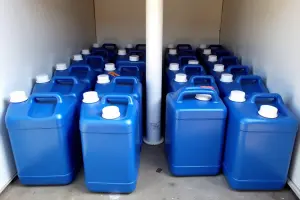
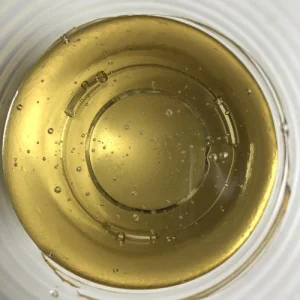
Formaldehyde is a colorless, highly reactive liquid intermediate that easily polymerizes. Rapidly oxidized to formic acid in air, acting as a strong reducing agent. Commercially supplied as formalin (37-50% solution with methanol as a stabilizer).
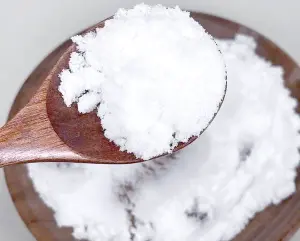
Also known as HMTA, it is a white crystalline powder synthesized from the reaction of formaldehyde and ammonia. Widely applied in plastics, pharmaceutical synthesis, and vulcanization accelerators. CAS No.: 100-97-0.
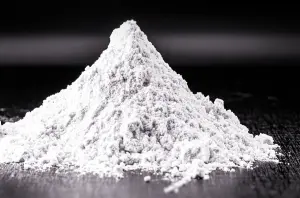
A white crystalline powder solid with a distinct formaldehyde odor. Composed of linear polyoxymethylene glycols with a high concentration of active formaldehyde (≥96%), suitable for synthetic resin applications.
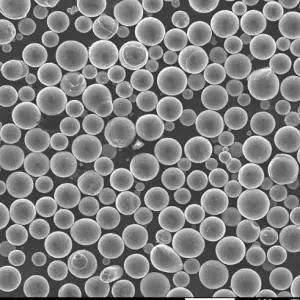
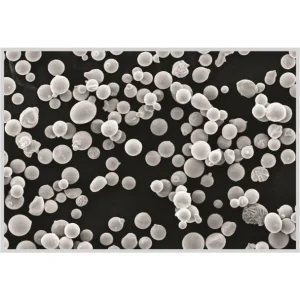
High-purity spherical alloy powder designed for metallurgy, pyrotechnics, and advanced additive manufacturing. Featuring controlled particle size distribution and high chemical activity.
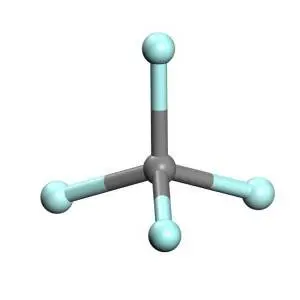
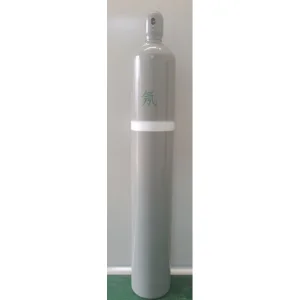
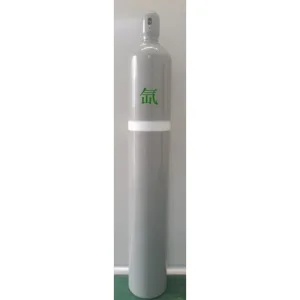
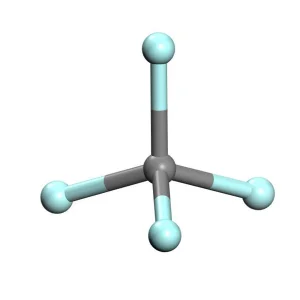
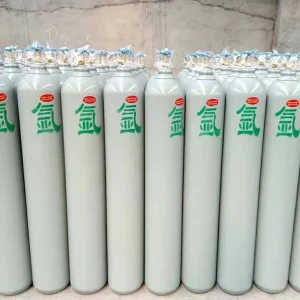
Electronic-grade carbon tetrafluoride (CF4) used as a low-temperature plasma etchant in semiconductor production and microelectronics fabrication.
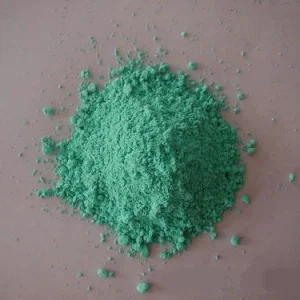
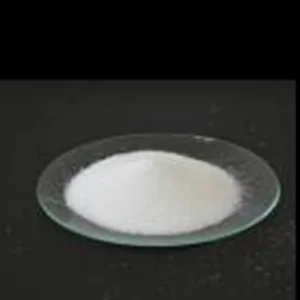
High-quality tricalcium phosphate powder used as an anti-caking agent, calcium supplement, and stabilizing agent in industrial and food-grade applications.
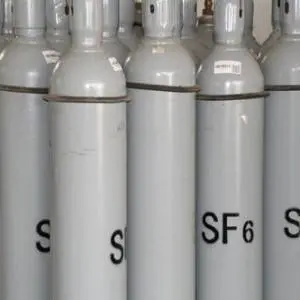
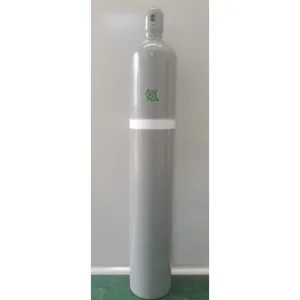
Pure sulfur hexafluoride (SF6) gas, widely used as an electrical insulator in high-voltage circuit breakers, transformers, and gas-insulated switchgear.
The chemical manufacturing sector is transitioning toward carbon-neutral processes. At Yanxatech, we align our product development with this shift. The technical roadmap for our glycol portfolio focuses on replacing traditional petrochemical-derived ethylene oxide with bio-ethylene intermediates derived from renewable agricultural feedstocks. This transition reduces the product's carbon footprint while maintaining identical chemical performance.
Additionally, we prioritize waste minimization and catalyst recycling. Our synthesis process employs closed-loop reactor technologies that recycle unreacted monomers and process water. Through continuous quality control, including advanced chromatography and molecular weight profiling, we supply PEG 500 that meets stringent technical and environmental standards.
Yanxatech operates as an ISO9001:2008 certified supplier. Every batch of Polyethylene Glycol 500 undergoes strict quality control. From raw material intake to final packaging under inert gas, we follow defined quality management protocols. Our analytical labs are equipped with high-performance liquid chromatography (HPLC), gas chromatography (GC), and Karl Fischer moisture titrators, ensuring our products comply with certificates of analysis (COA) and meet global technical standards.
Find answers to technical specifications, ordering processes, logistics, and quality assurance for PEG 500.
Premium performance gases, synthetic rubbers, and alloy powders optimized for advanced engineering applications.
 Yanxatech