High-purity chemical compositions, functional metal formulations, and custom synthesis elements engineered for global supply stability.
Insight into how advanced powder metallurgy drives modern aerospace, defense, energy, and automotive value chains.
The global demand for aluminum metal powder has transitioned from legacy applications, such as basic pyrotechnics and protective coatings, to a primary driver of high-precision technological innovations. In the current global industrial landscape, aluminum powder—specifically in its spherical and alloyed variants—acts as a cornerstone material. Its high energy density, outstanding thermal conductivity, and structural properties make it indispensable in sectors ranging from metal additive manufacturing (3D printing) to advanced chemical synthesis and solid rocket propellants.
Regionally, Asia-Pacific maintains its supremacy in high-volume production, while European and North American industrial hubs drive the consumption of high-end spherical powders for aerospace components and specialized automotive parts. The growth of the electric vehicle (EV) sector has further amplified the requirement for lightweight aluminum alloys, pushing manufacturers to establish resilient supply networks and strict quality protocols.
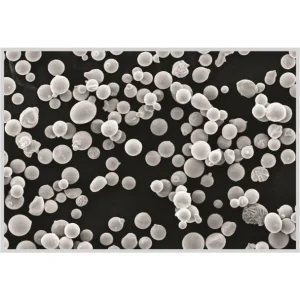
Utilized primarily in Powder Bed Fusion (PBF) and metal injection molding. Controlled particle size distribution ensures maximum packing density and fluid flowability.
Combining aluminum with magnesium yields high mechanical strength, corrosion resistance, and reduced structural weight, critical for lightweight engineering.
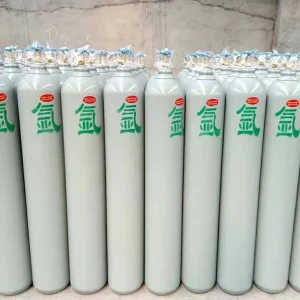
Rigid protective atmosphere control during production prevents premature surface oxidation, offering an active aluminum content of up to 99.8%.
Navigating the next generation of materials engineering, safety control, and green manufacturing.
As carbon neutrality mandates intensify worldwide, the raw material processing industry must adapt. The next decade will focus heavily on utilizing recycled high-grade aluminum scraps directly in the gas atomization process, minimizing the energy footprint. By utilizing clean energy grids to power inert gas compressors and induction furnaces, manufacturers can produce "low-carbon aluminum powder" to meet environmental compliance regulations within European and North American markets.
While traditional aluminum metal powder carries a high fire hazard status, advanced chemical surface treatments are making a breakthrough. The integration of organic mono-layer structures or extremely thin, controlled oxide layers (less than 3nm) enables safe pneumatic handling of extremely fine powders without compromising their energetic performance or sintering quality. Research is also moving towards sub-micron and nano-scale aluminum particles designed for high-burn-rate solid fuels and micro-electronics.
Alloying aluminum with transition metals and incorporating ceramics like silicon carbide (SiC) or boron carbide (B4C) at the powder level has opened new horizons. These structural materials present rigidity and wear resistance comparable to steel while maintaining the lightweight attributes of aluminum, creating highly effective components for turbine impellers, lightweight structural brackets, and specialized military defenses.
From chemical intermediate optimization to localized additive manufacturing ecosystems.
Yanxatech System Industries Limited delivers systematic material configurations to streamline high-demand application scenarios:
A premier Chinese supplier delivering specialty materials and chemical solutions globally.
Yanxatech System Industries Limited (YANXA) has grown from a fledgling business unit in 2008 to one of the most reliable and progressive specialty materials suppliers in China. Driven by a commitment to expand into chemical and mechanical industry supply chains, our team works to deliver quality materials for high-temperature metallurgy, rubber production, and synthesis applications.
Our operational framework focuses on three primary values: Quality, Safety, and Efficiency. Partnering with research institutes and certified manufacturing bases, we ensure that specialized metal powders, nitrates, and liquid rubbers comply with domestic and international safety guidelines, maintaining high quality standards across shipments.
Technical specifications, physical characteristics, and primary compositions of core catalog items.
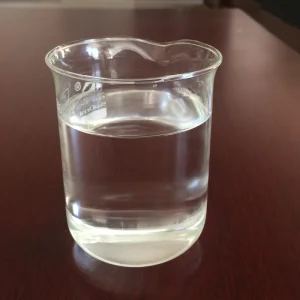
Product Characteristics: A colorless, volatile liquid that polymerizes easily. Readily soluble in water, alcohol, and ether. Rapidly oxidizes to formic acid in ambient air, acting as a strong reducing agent. Commercially supplied in liquid form as Formalin, a 37% to 50% formaldehyde solution containing small fractions of methanol as a stabilization agent to prevent polymerization. Relative density to air is 1.067, boiling point stands at -19°C (anhydrous) and 96°C (solution form).
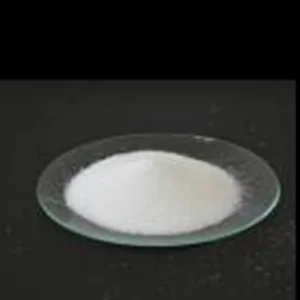
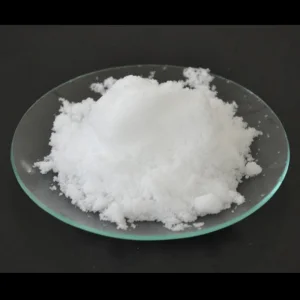
Product Overview: Generated via the condensation reaction of formaldehyde and ammonia. HMTA is a white crystalline powder commonly implemented in phenolic resin curing, explosive synthesis, rubber vulcanization, and organic synthesis. CAS No: 100-97-0. Molecular Formula: C6H12N4. Molecular Weight: 140.19 g/mol. Highly versatile precursor for industrial processing.
Physical State: White powdery solid displaying a flammable odor of gaseous formaldehyde. It acts as a linear polymer with variable chain lengths and no distinct melting point. Specifications include: Active content ≥96% (or ≥92% depending on grade), Solubility ≤40 minutes under standard dissolution environments, Formic Acid ≤0.05%, and pH range of 5-7.
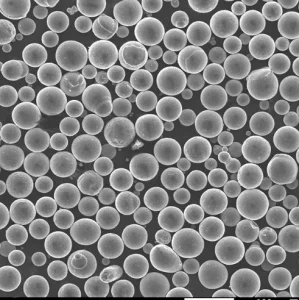
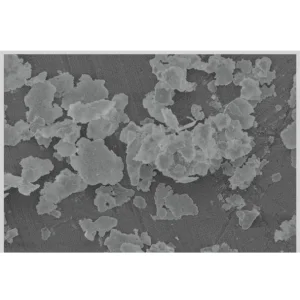
Material Properties: Spherical alloy particles generated under protective gas atomization. Possesses high flowability, high packing density, and low oxidation rate during storage. Preferred raw material for military energetic compounds, refractory bricks, advanced metal matrix printing, and metallurgical reduction.
Transparent solutions, processing protocols, and trade policy documentation for global procurement directors.
Our prices are subject to change depending on supply, raw material raw costs, and other market factors. We will send you an updated price list after your company contacts us for further information with specific volume requirements.
Yes, we require all international orders to have an ongoing minimum order quantity depending on the specific product class. For developmental testing or smaller volumes, please consult with our sales team to check availability.
Yes, we can provide the majority of requested technical documentation including Certificates of Analysis / Conformance (COA / COC), Cargo Liability Insurance, Certificates of Origin, and custom export declaration paperwork.
For laboratory samples, the average lead time is approximately 7 days. For standard mass production volumes, our standard lead time is 20-30 days upon receiving deposit confirmation. Lead times are validated once deposits are logged and formal batch approvals are finalized.
We accept payments through standard wire transfer (T/T) to our corporate bank account: 30% advanced deposit, with the remaining 70% balance settled against the Bill of Lading (B/L) copy, or via Letter of Credit (L/C) at sight.
We guarantee both chemical purity and physical structural parameters as outlined in our technical datasheets. YANXA maintains an active quality control process, ensuring prompt resolution of any batch discrepancy that does not match agreed specifications.
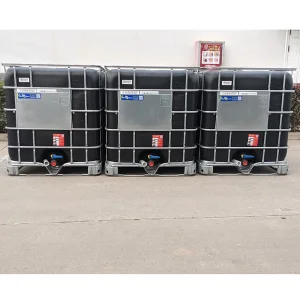
We strictly follow international maritime and aviation transport regulations for hazardous materials. Custom UN-approved packaging, thermal protection linings, and inert-gas filling are utilized to ensure the structural and chemical integrity of the cargo during transit.
Explore our expanded chemical inventory, rubber polymers, and specialized industrial gases.
 Yanxatech