Explore our core portfolio of specialty inputs, polymers, and synthetic components serving high-precision metallurgical applications.
An Industrial Deep Dive into Protection, Metallurgy, and Finish Integrity
Black powder coated steel has emerged as the premier choice across structural engineering, architectural design, automotive manufacturing, and consumer hardware. Applying an electrostatic charge to dry powder polymer and curing it under intense heat results in a cross-linked structure that yields unmatched performance compared to conventional wet paints.
The protective value of black powder coating lies in its molecular structure. As an organic barrier, it acts as a primary shield against moisture, oxygen, and corrosive ions (such as chlorides). Unlike standard wet paints, which rely on evaporating solvents that leave microscopic pinholes, the powder coating process uses heat fusion to produce a continuous, non-porous layer. Under high cure temperatures (typically between 180°C and 200°C), the solid thermoset powder particles melt, flow, and chemically cross-link. This creates a high-density polymer matrix that tightly adheres to the steel substrate.
Even the highest quality powder coatings will fail if the underlying steel substrate is not properly prepared. Professional factories implement multi-stage chemical pre-treatments before electrostatic deposition:
Where advanced chemical formulations meet automated steel coating technologies.
Global regulations are steering the industry away from TGIC (Triglycidyl Isocyanurate) cross-linkers. Advanced factories use HAA (Hydroxyalkylamide) or TGIC-free alternative polyesters. These options reduce toxicity while providing equal weatherability, flow properties, and impact resistance.
Traditional powder coatings require curing at temperatures above 180°C, which consumes significant energy. Next-generation powders cure at 130°C to 150°C. This lower range reduces energy consumption by 20% to 30%, increases processing speeds, and allows powder coatings to be applied to heat-sensitive alloys.
Micro-encapsulated polymers and chemical inhibitors integrated into the powder formulation can repair micro-cracks automatically when exposed to sunlight or heat. This prevents under-film corrosion and significantly extends the lifespan of outdoor steel infrastructure.
Choosing the right chemical formulation is critical to aligning product performance with mechanical requirements.
| Coating Chemistry Type | Primary Substrates | UV Stability / Weathering | Corrosion & Chemical Resistance | Recommended Applications |
|---|---|---|---|---|
| Pure Epoxy Powder | Carbon Steel, Alloy Steels | Poor (Chalks under sunlight) | Excellent (Superior chemical barrier) | Indoor machinery, pipelines, structural rebar |
| Polyester TGIC | Galvanized, Cold Rolled Steel | Excellent (High gloss/color retention) | Good (Enhanced by primers) | Outdoor fencing, agricultural gear, automotive trim |
| Polyester TGIC-Free (HAA) | Aluminum, Mild Steel, CRS | Excellent (UV resistant, eco-friendly) | Good (Excellent mechanical flexibility) | Architectural components, electrical enclosures |
| Polyurethane | Structural Steel, Cast Irons | Outstanding (Premium finish) | Excellent (High fuel & oil resistance) | High-end marine hardware, automotive wheels |
| Epoxy-Polyester Hybrids | Cold Rolled Steel, Sheet Metal | Moderate (Limited outdoor exposure) | Good (Combines flexibility & hardness) | Home appliances, metal furniture, control panels |
Leveraging automated production lines, advanced chemistry, and localized logistics for global markets.
Modern Chinese factories have transitioned from manual, labor-intensive finishing shops to automated Industry 4.0 facilities. This transformation is driven by precision engineering, real-time process monitoring, and strict environmental compliance.
Key technologies driving efficiency and consistency in modern factories include:
Yanxatech System Industries Limited (YANXA) - Engineering the chemical foundations of advanced coatings.
Founded as a small business unit in 2008, Yanxatech System Industries Limited (YANXA) has grown into a key supplier of specialty materials and chemical intermediates in China. Driven by a passion for developing international markets across chemical and mechanical industries, YANXA has built strong partnerships with leading manufacturers and research institutes.
Cooperating with leading manufacturers and renowned research institutes in China, YANXA is capable of supplying:
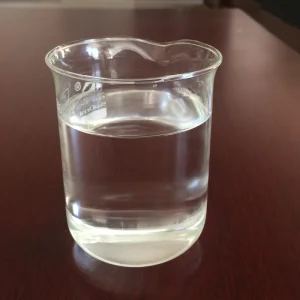
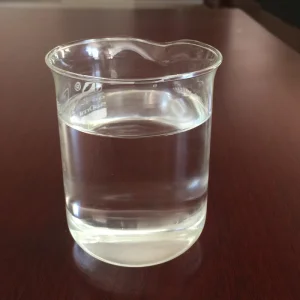
A colorless liquid that polymerizes easily and dissolves readily in water, alcohol, and ether. Typically supplied as formalin (37-50% formaldehyde) with methanol added as an inhibitor. It serves as a key building block for synthetic resins and industrial chemical intermediates.
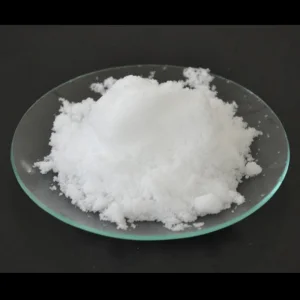
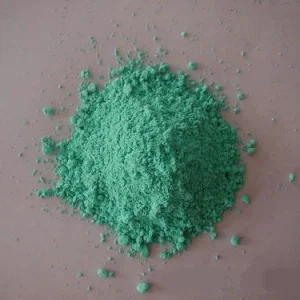
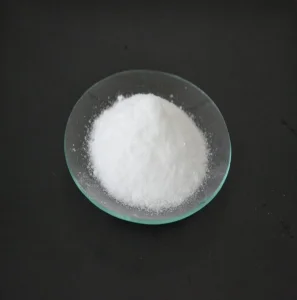
A white crystalline powder produced by reacting formaldehyde with ammonia (CAS No.: 100-97-0). It is widely used as a cross-linking agent in phenolic resins, a vulcanization accelerator in rubber, and a chemical intermediate in industrial manufacturing.
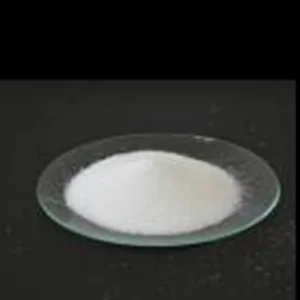
A high-purity linear polymer of formaldehyde in white powder form. It has a dry content exceeding 96% and offers controlled solubility. It serves as an efficient source of formaldehyde for synthesizing resins, adhesives, and specialty coatings.
A highly stable metal powder produced through atomization. It features uniform particle size distribution and a spherical morphology, making it ideal for energetic formulations, pyrotechnics, and specialty metallurgical applications.
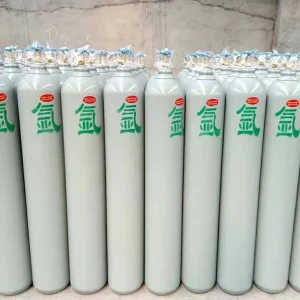
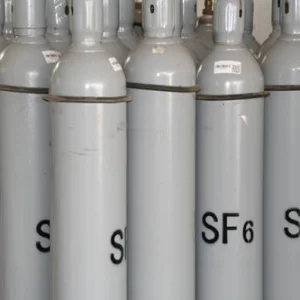
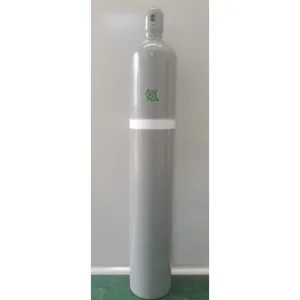
Our portfolio includes high-purity industrial gases like Carbon Tetrafluoride and Sulfur Hexafluoride. These gases are critical for dielectric insulation, semiconductor etching, and advanced electronics manufacturing.
A high-purity mineral compound used as a flow agent, food additive, and polishing material. It is also utilized in structural ceramics and biomedical applications.
A guide to evaluating suppliers, managing quality risks, and streamlining logistics.
Sourcing structural steel and powder-coated products internationally requires careful planning to balance cost, quality, and delivery schedules. Global procurement managers should consider the following key factors:
Ensure that purchase orders specify key quality metrics rather than just relying on generic descriptions. Clearly define dry film thickness (DFT), color codes (such as RAL colors), gloss levels (matt, semi-gloss, or high gloss), and testing standards (like ASTM B117 salt spray, ASTM D3359 cross-hatch adhesion, and ASTM D2794 impact resistance).
Work with suppliers that provide complete documentation. A reliable supplier should offer a Certificate of Analysis (COA) or Certificate of Conformance (COC) for every production batch. In addition, requesting third-party inspections (such as SGS or TÜV) can help verify coating adhesion and thickness before the goods ship.
Powder-coated steel products are susceptible to surface scratching and mechanical damage during long-distance transit. Safe delivery requires robust packing strategies:
Expert answers to common technical, commercial, and logistics questions about powder-coated steel and chemical sourcing.
High-purity chemical compounds, specialty rubbers, and fluorinated gases for industrial processes.
 Yanxatech