An in-depth perspective on technical metrics, refinery logistics, and performance optimization in diesel combustion engines.
2-Ethylhexyl Nitrate (2-EHN) is the primary diesel fuel additive designed to improve cetane numbers. By accelerating fuel ignition timing in compression-ignition combustion chambers, it significantly reduces knock, controls cold-start noise, decreases greenhouse emissions, and ensures compliance with modern refining standards.
The molecular composition of 2-EHN relies on thermolysis to release free alkoxy and nitrogen dioxide radicals at elevated cylinder temperatures. These radicals act as reaction initiators, accelerating low-temperature autoignition pathways in low-sulfur and hydrotreated paraffinic diesel feedstocks.
| Parameter | Industrial Grade Specification | Testing Standard Reference |
|---|---|---|
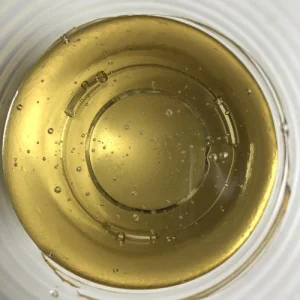
| Appearance | Clear, pale straw yellow liquid | Visual Inspection |
| Purity (GC) | ≥ 99.0% | Gas Chromatography (GC) |
| Relative Density (20°C) | 0.960 - 0.970 g/cm³ | ASTM D4052 |
| Flash Point (Closed Cup) | ≥ 76°C (168.8°F) | ASTM D93 |
| Water Content | ≤ 0.1% | Karl Fischer Titration |
| Acidity (as HNO3) | ≤ 0.005% | ASTM D1613 |
Within global petrochemical processing hubs, the transition toward lower sulfur fuel compounds poses major challenges for diesel ignition performance. Ultra-Low Sulfur Diesel (ULSD), while reducing acidic particulate emissions, often displays inferior natural cetane indices due to heavy hydrotreating and aromatics saturation.
Our industrial-grade 2-Ethylhexyl Nitrate serves as a direct pipeline-injected solution to safely elevate cetane levels by 3 to 8 points depending on treatment dosage. This allows refineries to easily upgrade lower-value distillate cuts into premium, low-emission commercial fuel grades.
In municipal transportation, mining machinery, marine cargo logistics, and railway logistics sectors, engine efficiency directly dictates operating margins. Adding wholesale 2-EHN improves thermodynamic efficiency, leading to the following key benefits:
Exploring bio-derived intermediates, synthesis safety optimizations, and new fuel formulations.
Traditionally, 2-EHN is produced by nitrating 2-ethylhexanol with mixed nitric and sulfuric acids. The future technical roadmap aims to reduce waste acids by using catalytic gas-phase nitration and incorporating renewable 2-ethylhexanol made from bio-derived aldehydes.
Second-generation biofuels like Hydrotreated Vegetable Oil (HVO) and first-generation Fatty Acid Methyl Esters (FAME) have distinct ignition profiles. Using 2-EHN ensures consistent combustion speeds, allowing diesel engines to transition smoothly between fossil fuels and renewable fuel blends.
Established in 2008 as a small business unit, Yanxatech System Industries Limited (YANXA) has grown into a major supplier of specialty materials in China. Driven by a passion for developing international markets across the chemical and mechanical industries, YANXA delivers specialty chemicals to customers worldwide.
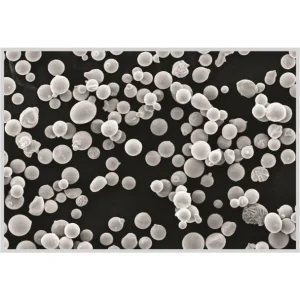
In cooperation with leading domestic manufacturers and renowned chemical research institutes, YANXA provides high-quality chemicals including liquid rubber, nitrates, and atomized metal powders. We customize products to meet our customers' specific application requirements.
At YANXA, quality, safety, and efficiency guide all of our business decisions. We strictly adhere to technical specifications to ensure that our deliveries match your exact requirements. Chemical production requires strict safety protocols, and we prioritize safe handling to protect human health and the environment.
Our ISO 9001 certified manufacturing facilities use advanced testing equipment, including Gas Chromatography, Karl Fischer moisture analyzers, and atomic absorption spectrometers, to ensure consistent quality for every shipment.
Industrial technical details for our core chemical intermediate product lines.
A colorless, highly reactive liquid that polymerizes easily. It is highly soluble in water, alcohol, and ether, and oxidizes to formic acid in air. Commercially supplied as Formalin (37% - 50% concentration) with methanol added as a polymerization inhibitor. Boiling point: 96°C, relative density: 0.815.
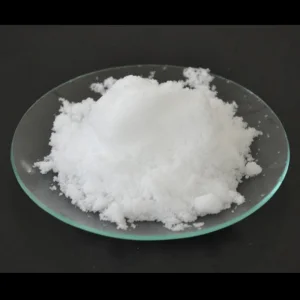
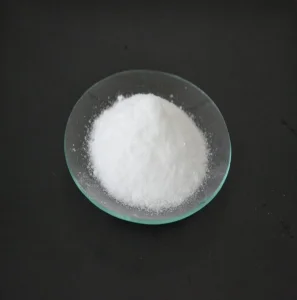
Also known as HMTA (CAS No. 100-97-0), Hexamine is a white crystalline powder produced by reacting formaldehyde with ammonia. It serves as a versatile organic intermediate widely used in phenolic resin curing, rubber compounding, pyrotechnics, and pharmaceutical synthesis.
A white crystalline powder with a strong formaldehyde odor. It is a linear polymer of formaldehyde without a fixed melting point. Specifications: Purity ≥ 96.0% (or 92.0% utility grade), dissolution time ≤ 40 minutes, and formic acid content ≤ 0.05%.
Answers to common questions about logistics, quality assurance, storage, and specifications.
 Yanxatech