 Yanxatech
Understanding Hydroxyl Ammonium Nitrate (HAN)
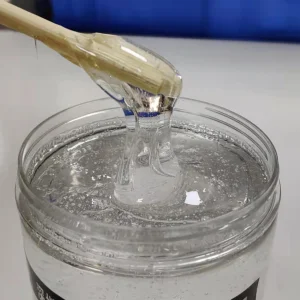
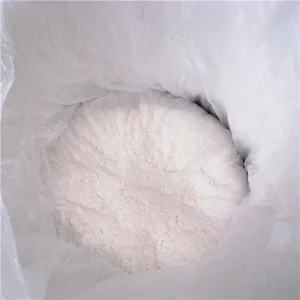
Hydroxyl Ammonium Nitrate (HAN), with the chemical formula [NH3OH]NO3, has transitioned from a niche chemical compound to the forefront of modern green aerospace propulsion and energetic application technologies. As global industries strive to limit carbon emissions and reduce toxicity footprints, HAN has emerged as the leading replacement candidate for hydrazine. It offers high density, a lower freezing point, and an impressive specific impulse.
For global defense agencies, commercial satellite operators, and advanced synthesis laboratories, securing a reliable, high-volume supply chain for premium-grade HAN is critical. YANXA, starting as a small business unit in 2008, has built deep industry partnerships with leading Chinese research institutes and state-of-the-art chemical manufacturing facilities. We ensure that our worldwide buyers receive Hydroxyl Ammonium Nitrate synthesized under stringent quality control parameters, matching precise technical specs for concentration, purity, and low transition-metal metrics.
Key Application Fields of Hydroxyl Ammonium Nitrate
HAN behaves primarily as a powerful liquid oxidizer, which is highly solubilized in water to create monopropellant formulations when blended with fuel elements like methanol or glycerol.
- Green Monopropellants for Spacecraft: Used in next-generation micro-propulsion systems, thrusters, and satellite altitude control configurations. Unlike hydrazine, HAN formulations do not require complex, heavy containment systems and reduce toxic handling risks during fueling.
- Industrial Reducing & Oxidizing Agent: In large-scale organic synthesis, HAN serves as a controlled source of hydroxylamine and nitric acid, facilitating precise redox chemical loops.
- Defense & Advanced Energetics: Utilized in low-vulnerability ammunition propellants and dynamic gas generator formulations requiring high volumetric gas release at controllable rates.
| Parameters | Typical Grade specifications | Applications |
|---|---|---|
| Concentration (Aqueous) | 24% to 82% ±0.5% (customizable) | Propellant formulation / Redox agent |
| Sulfate (SO4 2-) | ≤ 0.05% | Minimizes catalyst poisoning |
| Heavy Metals (as Pb) | ≤ 0.001% | High-stability fuel arrays |
| Free Nitric Acid | ≤ 0.1% | Maintains storage security limits |
Local Applied Scenarios & Systemic Compatibility
Implementing HAN in dynamic propulsion or chemical loops requires thorough material compatibility profiling. In its concentrated liquid state, HAN is highly corrosive to standard mild steels. Our technical team works alongside design engineers to recommend compatible structural materials such as titanium alloys, specific grades of stainless steel (such as 316L), and fluorinated polymers (PTFE/PFA) for all storage and piping manifolds.
Global Regulatory Standards & Safe Supply Chains
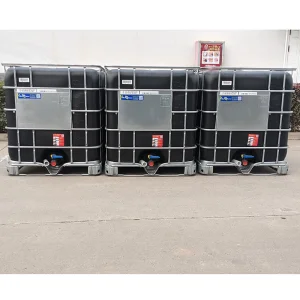
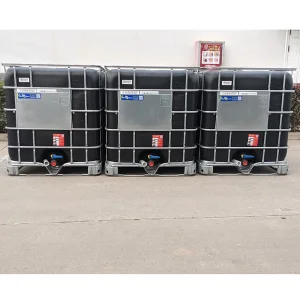
Due to its high energy density and oxidation strength, Hydroxyl Ammonium Nitrate is classified under Class 5.1/Class 8 hazardous materials for transport. Navigating cross-border logistics requires deep regulatory knowledge. YANXA ensures compliance with international maritime directives (IMDG), local safety documentation, and export controls. Our dangerous goods export packaging uses double-walled, UN-approved drums equipped with pressure-relief valves to guarantee safety during ocean transport.