Explore our premier range of industrial-grade synthetic rubber, alloy components, and high-purity gases engineered to meet rigorous aerospace, electronic, and structural bonding specifications.
Yanxatech System Industries Limited (hereinafter referred to as YANXA) is a globally recognized, premier supplier of high-performance specialty materials. Starting from a fledgling, specialized business unit in 2008, YANXA has been relentlessly driven by a passion for technical innovation and expanding broad international markets within the chemical, mechanical, and advanced engineering sectors.
Through our team’s enduring and persistent research, alongside the long-lasting trust of our global enterprise partners, YANXA has steadily matured into an authoritative entity. We are dedicated to providing optimal logistics, absolute batch consistency, and rigorous purity standards for synthetic prepolymers, advanced propellants, functionalized rubber coatings, and rare electronics-grade gases.
At YANXA, Quality, Safety, and Efficiency prevail over all other metrics in our commercial operations. We dynamically adapt to the evolving demands of our clients, addressing both the standard bulk chemical parameters and the highly specific requirements of custom formulations for cutting-edge thermal protection, structural elasticity, and electronic packaging applications.
Because specialty chemical manufacturing involves unique hazards, we hold ourselves to the highest global safety standards. Every phase of chemical syntheses, trans-shipping, packaging, and custom formulating is conducted with a deep respect for environmental sustainability and human occupational health.
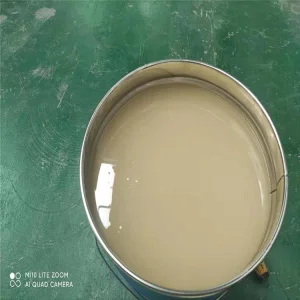
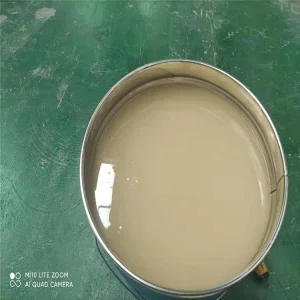
In modern macromolecular design, Liquid Rubber derivatives—specifically Hydroxyl-Terminated Butadiene-Acrylonitrile (HTBN) and Medium Vinyl Liquid Terminated Hydroxy Polybutadiene—represent a major paradigm shift. In contrast to traditional solid-state elastomers that require energy-intensive mechanical mastication, liquid prepolymers exist as low-to-medium viscosity fluids. This characteristic permits reactive casting, coating, potting, and structural modification with minimized thermal input.
HTBN and hydroxyl-terminated polybutadiene serve as primary polymeric binders for composite solid rocket propellants. The terminal hydroxyl groups react with isocyanates to form polyurethanes, creating a resilient elastomeric matrix capable of holding up to 88% crystalline oxidizers and metallic fuel particles.
Unmodified epoxy resins are notoriously brittle, yielding low fracture toughness. Incorporating liquid HTBN into the epoxy prepolymer leads to microphase separation during cure, forming micro-spherical rubber domains that arrest microcracks, resulting in a dramatic increase in impact resistance and peel strength.
For chemical containment vessels, secondary containment dikes, and roofing systems, liquid rubber coatings provide a seamless, highly impermeable layer. Their hydrophobic backbone resists water intrusion, salt spray, and extreme pH shifts while sustaining up to 600% elongation without rupture.
Global industrial purchasing teams evaluating a Wholesale Liquid Rubber CA Supplier must move beyond basic cost-per-ton metrics to consider structural material variables:
China’s specialty chemicals sector has transitioned from traditional capacity-driven production to the high-technology standards of Factory 4.0. At YANXA's cooperating manufacturing units, this digital revolution translates into real-world benefits for our international clients.
Through automated continuous reactors, real-time Gas Chromatography-Mass Spectrometry (GC-MS), and automated temperature-profile controls, we minimize the thermal history variation of polymer batches. This ensures that every shipment of HTBN or Liquid Polybutadiene possesses identical, reliable curing kinetics.
Our strategic partnerships with major domestic feedstocks raw material hubs ensure a highly reliable upstream supply chain. Even during global logistics disruptions or chemical feedstock shortages, YANXA maintains consistent production runs, insulating our contract clients from volatile pricing and supply shortages.
Every batch of specialty materials is manufactured at ISO 9001:2008 certified facilities. We guarantee full traceablity, beginning with chemical monomer validation to final vacuum-packaged steel drum inspections.
| Quality Test | Standard Protocol | Target Threshold |
|---|---|---|
| Hydroxyl Value | ASTM E222 / Titration | 0.50 - 0.95 mmol/g |
| Viscosity (at 30°C) | ASTM D445 / Brookfield | 15,000 - 60,000 mPa·s |
| Volatile Content | Vacuum Desiccation | < 0.05% |
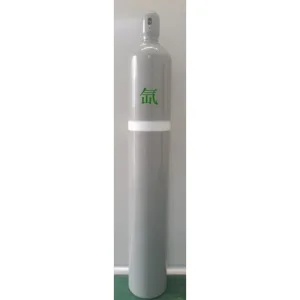
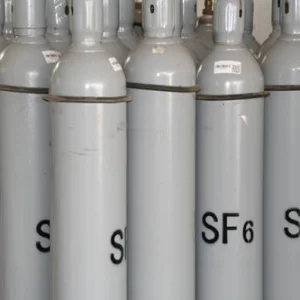
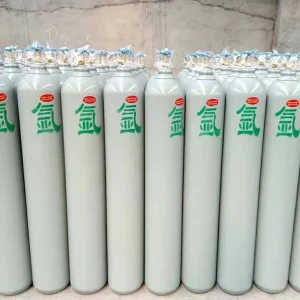
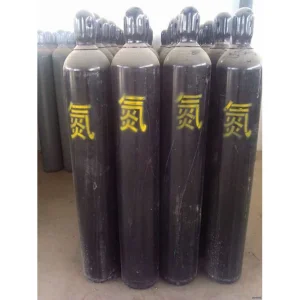
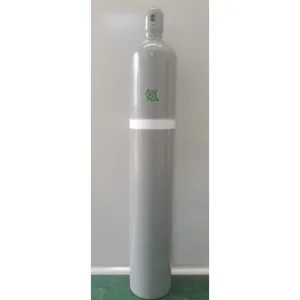
| Purity (Electronic Gases) | GC-DID Method | 99.999% - 99.9999% |
In addition to elastomeric liquid rubbers, our production ecosystem synthesizes key organic intermediates and high-performance metallic powders, forming a complete supply chain for chemical syntheses and advanced metallurgy.
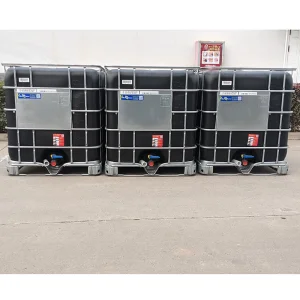
Formaldehyde is a highly reactive mono-carbon chemical intermediate. Commercially supplied as formalin (a 37% to 50% aqueous solution containing a controlled volume of methanol as a polymerization inhibitor).
Boiling Point: 96°C
Relative Density: 0.815 (-20°C)
Flash Point: 55°C
Appearance: Milky White / Odorous
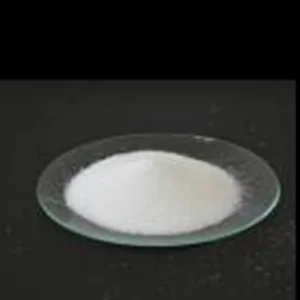
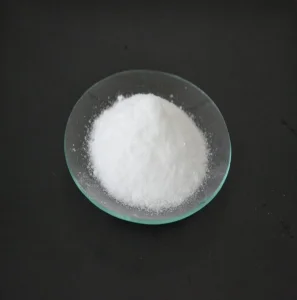
Commonly known as Hexamine or HMTA, this white crystalline organic base is prepared via the condensation of formaldehyde and ammonia. It functions as a curing agent in phenolic resins, a fuel component, and a key pharmaceutical intermediate.
CAS No.: 100-97-0
Formula: C₆H₁₂N₄
Molecular Wt: 140.19 g/mol
Form: Fine Crystalline Powder
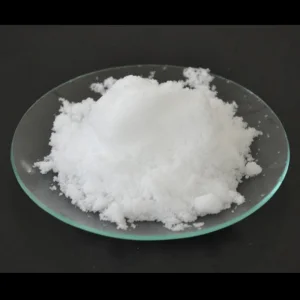
As a solid linear polymer of formaldehyde, Paraformaldehyde (96%) provides gaseous formaldehyde release upon depolymerization. It serves as an optimal reactant in polymer syntheses, organic chemistry synthesis, and resin production.
Purity: ≥ 96.0%
pH Value: 5.0 - 7.0
Solubility: ≤ 40 mins
Formic Acid: ≤ 0.05%
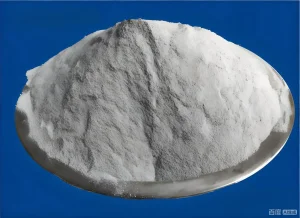
Beyond organic chemistry, YANXA supplies specialized Atomized Spherical Aluminum Magnesium Alloy Powder. Engineered using inert gas atomization processes, this alloy powder delivers tight particle size distributions and minimal surface oxidation. It is widely used as a high-energy component in solid propellants, thermal spraying, specialized pyrotechnics, and powder metallurgy.
Liquid Rubber systems must be formulated with specific additives and accelerators to perform reliably in localized microclimates and specific industrial applications:
In northern infrastructural installations, standard epoxies suffer from embrittlement. The addition of HTBN liquid rubber allows formulations to retain high impact resistance and shear performance down to -40°C, absorbing mechanical vibration and thermal contraction forces.
Coating steel bulkheads and sub-sea structures with liquid rubber barrier compounds prevents oxygen diffusion. Its excellent resistance to saltwater corrosion and low water vapor transmission makes it an ideal base for heavy-duty marine paint systems.
In automotive body-in-white (BIW) production lines, liquid polybutadiene-based adhesives are applied to hem flanges. During the electrocoat curing cycle, these materials cure in situ, creating high-strength structural joints with excellent resistance to wash-off and oil.
Essential commercial and engineering questions answered by YANXA’s technical support team.
Browse additional items from our industrial portfolio, including atomized powders, specialty polyethers, and high-purity rare gases.
 Yanxatech