Explore our premium grade materials manufactured under ISO 9001:2008 standards for advanced engineering, coatings, and structural applications.
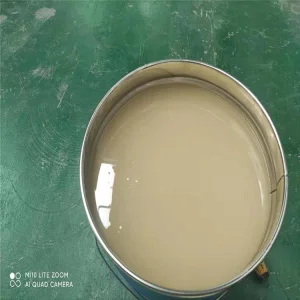
The global demand for high-performance elastomers and liquid silicon has experienced exponential growth over the past decade. Rapid industrialization, combined with the stringent performance requirements of modern electronics, automotive engineering, and aerospace infrastructure, has shifted procurement priorities toward highly specialized materials. Liquid silicon rubbers (LSR) and functionally modified liquid rubbers—such as Maleic Anhydride Grafted Polybutadiene (MLPB), Carboxyl Terminated Nitrile Butadiene Rubber (CTBN), and Amino-Terminated Nitrile Butadiene Rubber (ATBN)—form the backbone of this material revolution.
These advanced polymers are no longer considered commodity chemicals. Instead, they serve as crucial modifiers and thermosetting matrices that allow end-use components to survive in extreme physical and chemical environments. The transition from traditional millable rubber compound formulation to liquid-based vulcanization and reactive extrusion processing has significantly improved manufacturing yield, automated assembly capabilities, and finished product durability.
Industrial applications in microelectronics, optoelectronics, and electric vehicle (EV) battery systems require material solutions with minimal ionic contaminants, exceptionally low outgassing, and stable dielectric performance under broad temperature ranges. Supplier vetting processes must prioritize precision engineering capabilities.
| Material Family | Key Active Groups | Typical Application Area | Core Dynamic Advantage |
|---|---|---|---|
| MLPB (Maleic Anhydride) | Anhydride Functional Linkages | Co-agent for EPDM / Polyolefin modifier | Exceptional adhesion to metals & polar surfaces |
| CTBN (Carboxyl Terminated) | Carboxylic Acid Ends | Epoxy toughening & structural adhesives | Mitigates micro-cracking; retains high thermal stability |
| ATBN (Amino Terminated) | Amine Functional Ends | Heavy industrial coatings & composites | Rapid low-temp cure, superior impact strength |
| HTBS (Hydroxyl Terminated) | Hydroxyl Random Copolymer | PU modifications, rocket propellant binders | Tailored low-temperature flexibility |
Understanding the molecular architectures that distinguish high-grade liquid rubbers and polymer precursors from generic equivalents.
Liquid rubber modifiers such as Maleic Anhydride Grafted Polybutadiene (MLPB) contain polar carboxylic functional groups introduced directly onto the hydrophobic polybutadiene backbone. This structure provides a unique dual compatibility: the non-polar butadiene backbone integrates seamlessly with hydrocarbon rubbers (such as EPDM and natural rubber), while the highly reactive anhydride groups chemically bond to polar substrates, inorganic fillers (like silica, aluminum hydroxide), and metallic surfaces.
Epoxy resins are structurally rigid but inherently brittle. By incorporating Carboxyl-Terminated Nitrile Butadiene Rubber (CTBN), manufacturers can achieve phase separation during the curing cycle. Microscopic elastomeric domains precipitate throughout the cured epoxy matrix. These rubbery phase particles effectively blunt advancing cracks and absorb fracture energy, multiplying the impact strength and thermal shock resistance of the matrix without degrading its heat deflection temperature.
For custom polyurethane elastomer synthesis, low molecular weight PET polyethers allow precise control over prepolymer viscosities. The narrow molecular weight distribution translates directly to predictable cross-link densities. This reliability is vital for casting rollers, dynamic seals, and specialty automotive coatings that must maintain elastic recovery across a service temperature span of -40°C to 120°C.
Liquid silicone and modified polyurethane rubbers provide high thermal conductivity and electrical isolation. They cushion individual battery cells against physical road shocks, while also sealing out environmental moisture.
By blending CTBN or ATBN liquid rubbers into heavy-duty epoxy coatings for chemical storage tanks and marine hulls, developers achieve exceptional resistance to mechanical impacts, thermal cycling, and aggressive chemical ingress.
In aerospace and structural engineering applications, adhesives modified with maleic anhydride-grafted polymers (MLPB) maintain long-term bonding integrity to carbon fiber, steel, and aluminum plates, even under extreme vibration fatigue.
The practical implementation of liquid silicon and modified rubbers varies widely by industrial hub and regional application requirements. By tailoring chemical structures to local environment and engineering specifications, YANXA ensures optimized real-world performance:
The global specialty materials market faces regular disruptions due to feedstocks cost volatility, regulatory revisions, and shipping bottleneck risks. China has developed a highly integrated chemical manufacturing ecosystem. This concentrated configuration gives Chinese suppliers an unparalleled advantage in maintaining continuity of supply, raw materials security, and cost efficiency.
At YANXA, we leverage this localized integration. Collaborating closely with top research institutes and domestic manufacturing giants, we bypass multi-tier distribution networks to secure chemical feedstock availability. Our supply lines are shielded from sudden upstream shocks, allowing us to offer stable contract pricing and predictable delivery timelines even in fluctuating markets.
Furthermore, the optimization of state-of-the-art chemical synthesis reactors and automated fractionators ensures that batch-to-batch consistency is kept to tight tolerances, satisfying the demanding requirements of global QA departments.
Adapting to the future: How next-generation environmental standards and molecular design shape YANXA's product evolution.
Regulatory pressures on Volatile Organic Compounds (VOCs) and halogenated substances are driving the adoption of solvent-free liquid rubber processing. The development of ultra-low molecular weight variants ensures low viscosities without requiring added diluents, minimizing hazardous emissions during compound mixing and baking processes.
Future iterations of addition-cure liquid silicon rely heavily on highly optimized platinum complex catalysts. Industry research focuses on delay-action catalysts that allow extended pot life at room temperature, followed by rapid cure profiles upon exposure to thermal thresholds. This optimizes energy efficiency in heavy injection molding.
We are actively researching methods to integrate bio-sourced butadiene and renewable dicarboxylic acid precursors into our CTBN and HTBS manufacturing lines. Reducing dependency on fossil-based feedstocks helps our partners achieve their Scope 3 carbon reduction targets.
Sourcing chemicals globally requires navigational oversight in logistics and regulatory compliance. Different regions impose unique chemical control laws (such as TSCA in the United States, and REACH in the European Union). Failure to comply can result in impounded customs shipments or heavy regulatory fines.
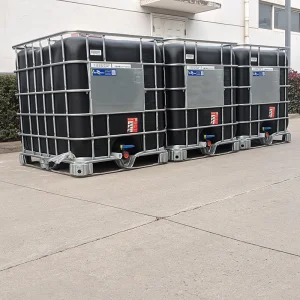
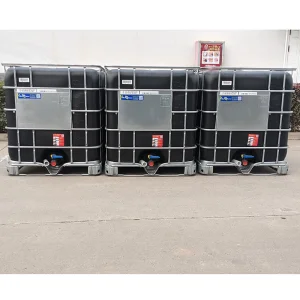
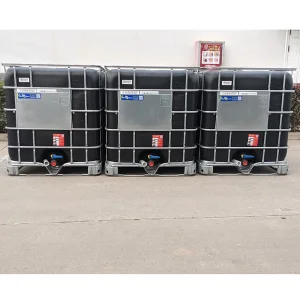
YANXA maintains an experienced international compliance office that manages safety documentation (SDS), harmonized tariff system (HS) classification, and chemical registration declarations. We provide localized shipping support, offering customized packaging that meets ADR, IMDG, and IATA safety certifications for hazardous substances, ensuring safe arrival at your loading dock.
Get professional answers regarding specifications, delivery processes, and ordering terms for liquid silicon and rubber products.
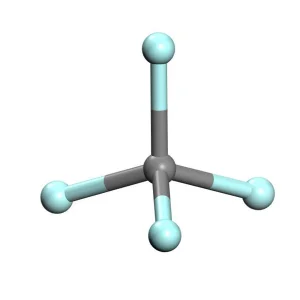
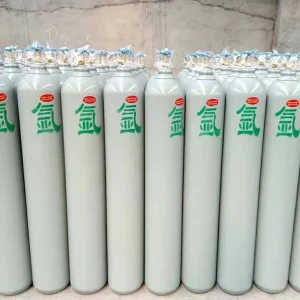
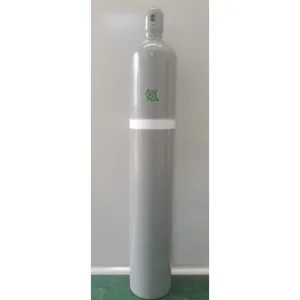
Complete product catalog including high-purity process gases and functional metal alloys engineered for precision applications.
Yanxatech System Industries Limited (YANXA) is an established supplier of specialty chemicals and materials, beginning as a small business unit in 2008. Over the years, we have expanded to deliver advanced chemicals and mechanical components internationally.
Our core business model focuses on quality control, environmental safety, and logistical efficiency. We collaborate with chemical manufacturers and research institutions in China to provide critical chemical components to global industries.
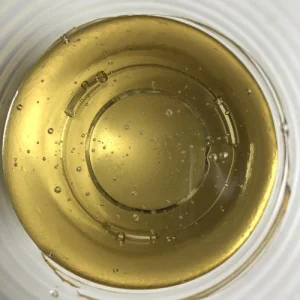
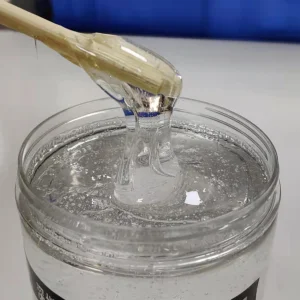
1) Liquid Rubber Modifications: MLPB, HTBS, CTBN, ATBN elastomers for high-stress matrices.
2) Specialty Nitrates: High-grade industrial nitrates for pyrotechnics, electronics, and agriculture.
3) Metal Powders & Alloys: Atomized Spherical Al-Mg alloy powders and zinc-aluminum flakes for coatings and structural alloys.
"Quality, safety, and efficiency prevail over all other values in our business. We align with our customers' technical specifications and deliver products that match target purity and consistency standards. Because chemical manufacturing carries inherent safety responsibilities, we ensure all materials are processed, packaged, and transported in a safe, environmentally friendly manner."
In addition to our specialty liquid rubbers, we process essential chemical intermediates and metallic powder blends for downstream manufacturing.
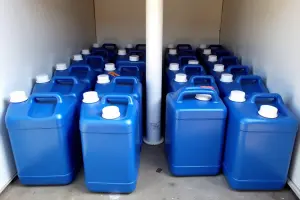
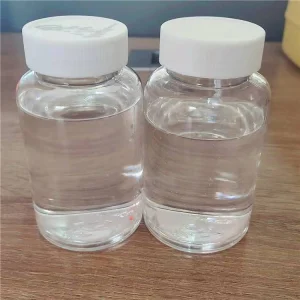
A colorless liquid, easily polymerized, readily soluble in water and alcohols. Supplied as 37-50% formalin with methanol polymerization inhibitors.
View Details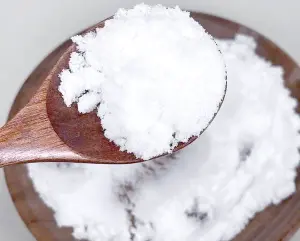
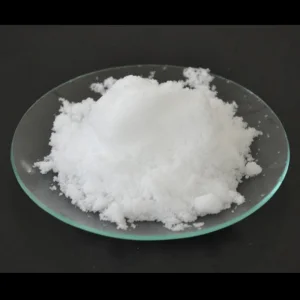
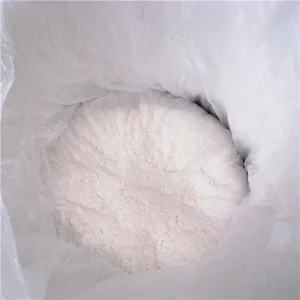
A white crystalline powder produced by ammonia-formaldehyde condensation. CAS No: 100-97-0. Utilized in resins and rubber processing.
View Details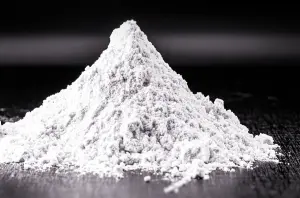
Linear polymer of formaldehyde. White powdery solid with high solubility in alkaline and acidic environments. Active cross-linker.
View Details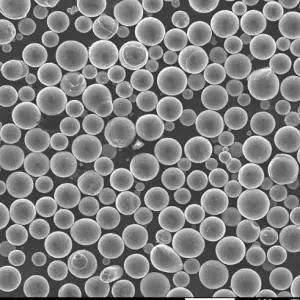
High-purity spherical alloy particles. Highly uniform distribution, designed for specialty metallurgy, aerospace coatings, and pyrotechnics.
View Details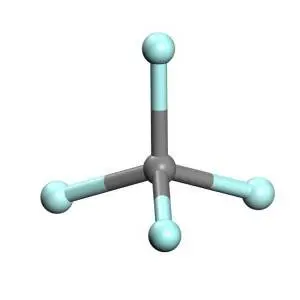
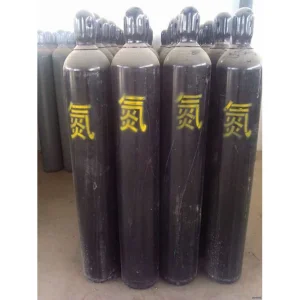
High-purity electronic etching gas. Critical component in plasma cleaning and chemical vapor deposition processes.
View Details
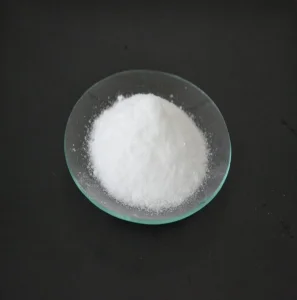
Fine white powder used in ceramic manufacture, anti-caking food formulations, and plastic polymerization stabilization.
View Details
Highly stable dielectric gas, primarily utilized as an arc-quenching medium in high-voltage circuit breakers and electrical switchgear.
View Details Yanxatech