Explore our verified catalog of high-purity chemical compounds, custom metallic powders, and precision performance materials manufactured to international ISO requirements.
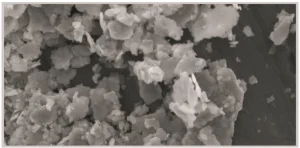
In modern metallurgy and chemical manufacturing, natural magnesium powder serves as a cornerstone material. It offers an unparalleled combination of low density, high specific strength, and strong chemical reactivity. Unlike synthetic alternatives, natural magnesium powder sourced from geological magnesite deposits retains specific crystallographic structures that are highly valued in critical industrial reductions, pyrotechnics, and advanced alloying. Sourcing this material requires an in-depth understanding of the extraction methods, grain morphology, and thermodynamic profiles that determine its behavior in downstream applications.
As a primary supplier of specialized chemical agents and metallic powders, Yanxatech System Industries Limited (YANXA) collaborates with leading national laboratories and research institutes in China. Our goal is to synthesize and refine raw geological minerals into high-purity, uniform powders. Since our establishment in 2008, we have focused on matching mechanical performance expectations with strict safety regulations, ensuring consistency across batch deliveries.
For high-performance applications, natural magnesium powders must meet three main criteria:
Natural magnesium powder plays a critical role in solving engineering and chemical production challenges worldwide. It is used as a high-affinity reducing agent in steel desulfurization and titanium sponge processing, and is increasingly important in structural lightweighting and clean energy initiatives.
In modern steel production, magnesium powder is injected into molten iron. It reacts with sulfur to form magnesium sulfide (MgS), which floats to the surface as slag. This process allows manufacturers to achieve ultra-low sulfur levels in structural and automotive-grade steels.
Magnesium hydride (MgH2) is a promising medium for storing hydrogen reversibly. Under controlled thermal conditions, magnesium powder absorbs up to 7.6% of its weight in hydrogen, offering a safe, long-term storage solution for clean energy grids.
Atomized spherical aluminum-magnesium alloy powders are used in additive manufacturing and powder metallurgy to create components for aerospace, defense, and high-performance automotive platforms. This helps reduce structural weight without sacrificing tensile strength.
Technical Application Insight: Sourcing high-purity natural magnesium powder prevents trace contaminant inclusions (such as iron or nickel), which can cause galvanic corrosion and compromise the integrity of high-stress industrial alloys.
The global magnesium market is highly concentrated, with China's natural magnesite belts accounting for a large share of the world's primary production. For international buyers, navigating this supply chain requires working with manufacturers who understand regional production regulations, export quotas, and ocean freight logistics for hazardous materials.
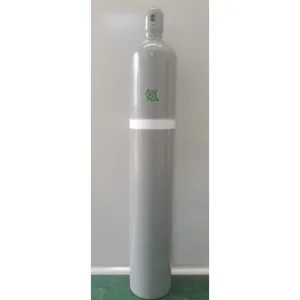
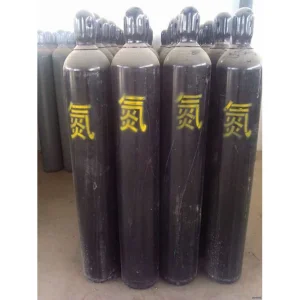
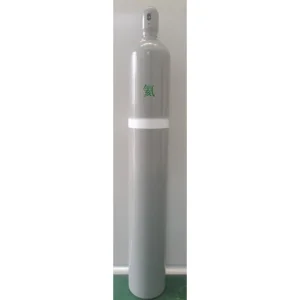
Since 2008, YANXA has developed relationships with leading Chinese chemical and mechanical raw-material manufacturers. This allows us to supply natural magnesium, aluminum-magnesium alloys, specialty polyethers, and ultra-high-purity gases (like Xenon, Krypton, and Helium) under structured, reliable supply contracts. Our operations bridge regional mining capacities with the strict quality standards of buyers in North America, Europe, and Asia.
| Chemical Component | Grade / Purity | Industrial Application |
|---|---|---|
| Natural Magnesium Powder | 99.5% - 99.9% Active | Metallurgy & Pyrotechnics |
| Al-Mg Alloy Powder | Atomized Spherical | Aerospace Metallurgy |
| Hexamethylenetetramine (Hexamine) | CAS 100-97-0 | Industrial Intermediate |
| Paraformaldehyde | 96% Powder / Solid | Resin & Polymer Synthesis |
YANXA offers a range of high-purity chemical intermediates and metal powders. Our products undergo rigorous laboratory testing to verify their physical, thermodynamic, and hazard profiles before export.
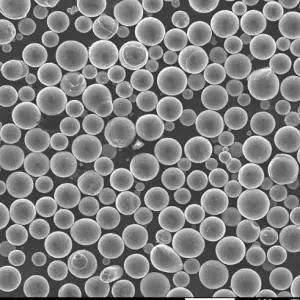 Atomized Spherical Aluminum Magnesium Alloy Powder
Our spherical Al-Mg alloy powder is manufactured using gas atomization. This method produces highly spherical particles with narrow size distribution, excellent flowability, and low oxygen content, making it ideal for precision metallurgy and combustion control systems.
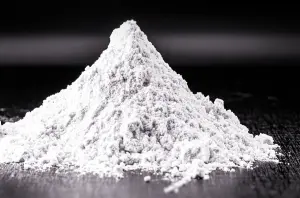 Paraformaldehyde Powder 96% & 92%
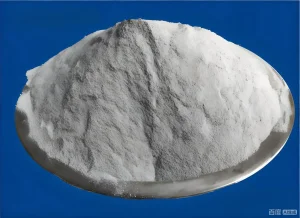
A white, flammable crystalline solid with a characteristic formaldehyde odor. This linear polymer is widely used as a synthesis agent in chemical, agricultural, and resin manufacturing.
| Active Content: | ≥96% / ≥92% |
| Solubility Rate: | ≤40 minutes |
| Formic Acid: | ≤0.05% |
| pH Value: | 5.0 - 7.0 |
 Hexamethylenetetramine (Hexamine)
A versatile crystalline organic chemical intermediate produced from formaldehyde and ammonia. Hexamine is widely used as a curing agent in phenolic resins, an accelerator in rubber vulcanization, and a fuel stabilizer.
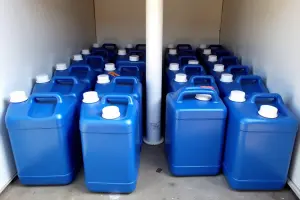 Formaldehyde & Formalin Solutions
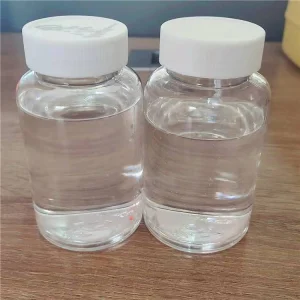
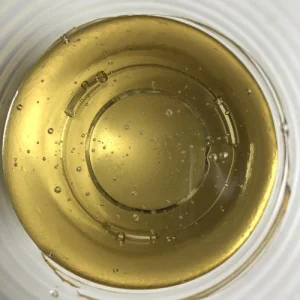
Supplied commercially as formalin (37-50% solution), containing methanol as a polymerization inhibitor. This clear liquid has a pungent odor and is a key precursor for industrial adhesives, resins, and disinfection agents.
Magnesium and related specialty chemicals present safety challenges because they are classified as hazardous materials (Class 4.1 or Class 4.3). To address these risks, YANXA has developed specialized logistics procedures. We work with leading testing institutes to ensure every shipment complies with destination laws, including EU REACH registration, US EPA guidelines, and local hazardous chemical import protocols.
We provide complete import documentation, such as Certificates of Analysis (COA), Safety Data Sheets (SDS), Certificates of Conformance, maritime packaging certification, and origin documentation. This ensures shipments pass through international customs efficiently and arrive safely at your facility.
The industrial use of magnesium powder is evolving from basic structural alloys to highly precise materials. Below are the key developments shaping our R&D and supply chain management for the next decade.
Developing gas-atomized sub-20-micron spherical powders. This size improves melting efficiency in metal 3D printing and helps prevent nozzle clogging in automated systems.
Applying ultra-thin organic and metallic coatings to individual magnesium particles. This reduces surface reaction hazards while preserving core reactivity.
Transitioning toward carbon-neutral extraction processes. This involves utilizing solar-powered electrolysis of magnesium brine to lower the carbon footprint of production.
Review answers to common questions regarding our quotes, quality assurances, payment terms, and logistics management for international shipments.
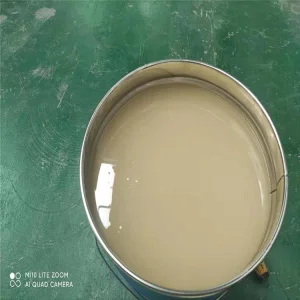
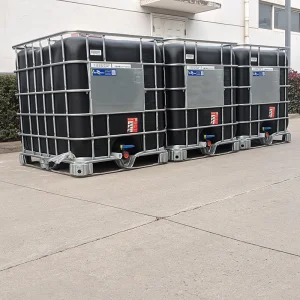
Browse our additional line of specialty liquid rubbers, metal powders, and high-purity gases. These materials are processed to support demanding aerospace, chemical synthesis, and electronics manufacturing operations.
 Yanxatech