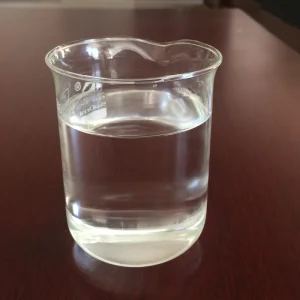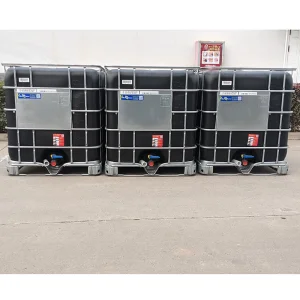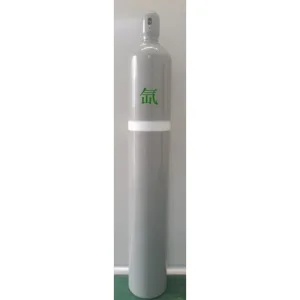
In the context of the modern Australian industrial landscape, materials engineering faces intense operational demands. From the deep pit mines of Western Australia's Pilbara region to the complex infrastructural developments spanning Sydney and Melbourne, materials must endure extreme conditions. Liquid rubber and advanced elastomeric polymer chemical additives have emerged as mission-critical compounds. These chemical additives are no longer viewed as simple coatings or sealants; they represent the structural backbone of durable materials system engineering.
With the global supply chains experiencing unprecedented volatility, Australian engineering firms, mining houses, and civil construction primes are seeking robust, predictable, and chemically compliant suppliers. Achieving high performance in corrosion resistance, structural waterproofing, and vibrational dampening requires an analytical understanding of the molecular configurations of these polymers. Consequently, the sourcing of Liquid Styrene Butadiene Rubber (LSBR) and Liquid Random Carboxy Nitrile Butadiene Rubber (L-XNBR) has moved to the forefront of strategic procurement.
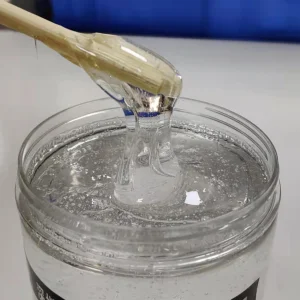
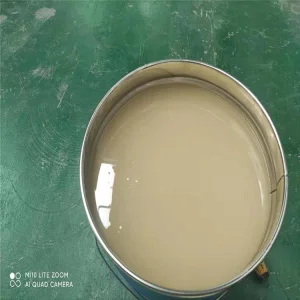
To secure optimal efficiency, procurement managers must distinguish between the differing chemical architectures of liquid rubbers. The fundamental value of liquid rubber lies in its ability to undergo controlled curing, transitioning from a low-viscosity liquid state to a highly crosslinked, three-dimensional elastomeric matrix.
1. Liquid Styrene Butadiene Rubber (LSBR): LSBR is synthesized by copolymerizing styrene and butadiene monomers. The resulting liquid polymer exhibits high chain flexibility and excellent compatibility with asphalt and mineral aggregates. In civil engineering, LSBR acts as a vital modifier, significantly boosting the elasticity, temperature susceptibility, and cracking resistance of road surfaces and protective sealants.
2. Liquid Random Carboxy Nitrile Butadiene Rubber (L-XNBR): Incorporating carboxylic acid groups into the nitrile-butadiene backbone creates L-XNBR. The carboxyl groups enhance adhesive properties on metal and mineral substrates while dramatically increasing resistance to hydrocarbons, industrial oils, and abrasive wear. This makes it highly sought after in heavy industrial lining and mining transport systems.
3. Specialty Polyethers (PET Polyethers): Possessing tailored molecular weights (both low and medium range), these polyethers serve as reactive plasticizers, polyurethane prepolymer blocks, and functional diluents, adjusting viscosity without sacrificing ultimate mechanical properties.
Australia's geography dictates unique degradation pathways for industrial materials. High UV indices, coastal salinity, extreme dry heat, and highly abrasive mineral ores accelerate standard polymer decay. Liquid rubber applications are tailored to mitigate these specific stressors:
In Queensland and Western Australia, chute linings, slurry pumps, and conveyor systems are subjected to constant impact and abrasion. Applying L-XNBR-modified linings prolongs equipment lifespan, reducing unscheduled downtime and maintenance costs.
Corrosive marine environments demand robust water barriers. Specialty Polyether-modified polyurethanes provide flexible, crack-bridging waterproofing membranes for concrete piers, wharf facilities, and offshore assets.
With temperatures exceeding 45°C in the Australian interior, standard asphalt degrades rapidly. LSBR modification improves the high-temperature rheology of binders, preventing rutting and structural deformation.
The modern chemical sector cannot rely on legacy manufacturing paradigms. The Chinese chemical industrial complex has transitioned into "Factory 4.0," which integrates automated synthesizers, real-time gas chromatography-mass spectrometry (GC-MS), and automated molecular weight optimization.
As a prominent supplier from this advanced landscape, YANXA (Yanxatech System Industries Limited) leverages state-of-the-art process controls. This translates directly to:
| Polymer Class | Key Parameter (Viscosity / MW) | Primary Target Application | Industrial Advantage |
|---|---|---|---|
| LSBR (Liquid Styrene Butadiene) | Low-Medium Viscosity | Civil Infrastructure & Modified Asphalt | Thermal Crack Prevention, Elastic Recovery |
| L-XNBR (Carboxylated Nitrile) | High Viscosity & Polar Bonding | Mining Conveyors, Slurry Pumps & Wear Liners | Excellent Oil, Hydrocarbon & Abrasive Resistance |
| Specialty Polyether (PET) | Targeted Low/Medium Molecular Weights | Polyurethane Sealants & Elastic Coatings | Hydrolytic Stability & Customized Flexibility |
Established as a small business unit in 2008, Yanxatech System Industries Limited has evolved into a key specialty materials supplier in China. Driven by a commitment to the global chemical and mechanical industries, YANXA has built its reputation on three core pillars:
Quality, Safety, and Efficiency: "Quality, safety, and efficiency prevail over all other values in our business. We address our customers' standard product needs as well as their unique, specific requirements for newly developed applications in a timely manner. We adhere strictly to technical requirements and deliver products in precise conformity with specifications."
Safety & Environmental Stewardship: The chemical industry carries inherent safety and environmental responsibilities. YANXA manages all aspects of chemical transport, packaging, and manufacturing with strict adherence to human health and environmental safety protocols.
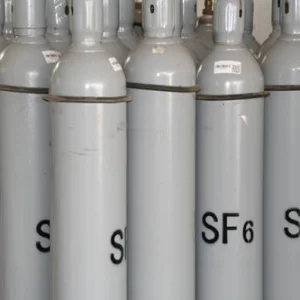
Operating with ISO9001 certified manufacturing partners and leading research institutions across China, YANXA's reach extends to metal powders, nitrates, fluorinated gases, and advanced liquid rubbers, ensuring a diversified supply portfolio for global partners.
 Yanxatech