Active Magnesium Powder (specifically optimized in particle shape, activity parameters, and elemental purity) serves as a critical reactive agent across high-stakes industrial fields. Originating from specific physical-chemical preparation methodologies, active magnesium features customized surface reactivity, calculated via the citric acid neutralization time or iodine absorption index. This reactivity makes it indispensable for applications requiring rapid, complete thermal reactions, synthetic reductions, or chemical absorption characteristics.
As global supply architectures demand higher product consistency, selecting a premier China Active Magnesium Powder supplier goes beyond purchasing commodity chemicals. It requires finding a manufacturing partner that integrates advanced metallurgical technology, strict particle size distribution metrics, and reliable chemical properties.
The global industrial ecosystem is pivoting toward green metallurgy, lightweight construction materials, and advanced chemical polymers. Consequently, the demands on active magnesium powder properties are shifting:
Providing high-yield material engineering, strict process control, and cost-effective bulk logistics
Operating through automated calcination kilns, dry grinding, and precise air classification systems, Chinese production facilities maintain tight control over magnesium parameters. This prevents contamination and delivers targeted activity indices for global applications.
By situating facilities near rich industrial raw material centers in Liaoning and Shandong, and utilizing advanced transport routes, logistics pathways remain open and reliable. This ensures consistent bulk supplies even during global logistics fluctuations.
All production processes are certified under ISO 9001:2008 guidelines. The resulting chemical products undergo strict testing, with full documentation provided, including Certificates of Analysis (COA), Certificates of Conformance (COC), and safety data documentation (SDS).
B2B buyers, procurement officers, and lead engineers face distinct material and logistic challenges depending on their operating regions and specific industries:
In rubber manufacturing, active magnesium compounds function as acid acceptors, vulcanization activators, and heat stabilizers. In synthetic elastomers like neoprene (polychloroprene) and chlorosulfonated polyethylene, active magnesium prevents premature vulcanization (scorch) and improves the finished product's thermal and chemical resistance.
In steel production, active magnesium powder acts as a desulfurization agent. High-reactivity materials help lower processing temperatures, reduce energy consumption, and support clean steel outcomes.
Active magnesium is widely used to synthesize Grignard reagents, organic compounds, and agricultural chemicals. High chemical reactivity ensures faster cycle times and cleaner reaction yields.
In these applications, atomized spherical aluminum-magnesium alloy powders are preferred for their uniform combustion, controlled oxidation rates, and safe handling properties.
Established in 2008, Yanxatech System Industries Limited (YANXA) has grown into a leading supplier of specialty chemical materials in China. What started as a dedicated business unit has expanded into a global partner serving customers across diverse chemical and industrial fields.
Through long-term cooperation with leading manufacturers and chemical research institutes, YANXA supplies high-performance materials in three key areas:
At YANXA, quality, safety, and efficiency underpin all our operations. We work closely with our clients to meet standard product requirements as well as custom specifications for newly developed applications.
Because handling chemicals requires a high degree of responsibility, we conduct all operations under strict safety guidelines. This ensures the protection of both human health and the environment at every stage of the supply chain.
Technical data and performance profiles of YANXA's product line
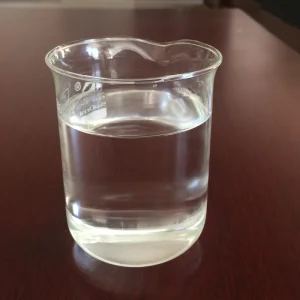
Product Characteristics: Formaldehyde is a colorless, reactive liquid that polymerizes easily and dissolves readily in water, alcohols, and ethers. It oxidizes to formic acid when exposed to air, making it a strong reducing agent.
Commercial Specifications: Typically supplied as formalin, a 37% to 50% formaldehyde solution containing small amounts of methanol as a polymerization inhibitor.
Physical properties: Boiling point: 96°C, relative density: 0.815 (-20°C), flash point: 55°C.
Product Overview: A white crystalline powder produced by the condensation reaction of formaldehyde and ammonia. HMTA is a versatile organic intermediate used in resin manufacturing, pharmaceutical synthesis, rubber vulcanization, and analytical chemistry.
Technical Data: CAS No.: 100-97-0 | Molecular Formula: C₆H₁₂N₄ | Molecular Weight: 140.19 g/mol.
Product Features: A white crystalline solid with a flammable odor of formaldehyde. It is a linear polymer of formaldehyde with no fixed melting point.
Technical Specifications: Content: ≥96% (Grade A) or ≥92% (Grade B) | Solubility: ≤40 minutes | Formic Acid Content: ≤0.05% | PH Range: 5.0 - 7.0.
Characteristics: Engineered for applications requiring high thermal output and controlled oxidation. It features a spherical morphology, excellent flow properties, high active metal content, and a narrow particle size distribution.
Direct answers regarding chemical logistics, specifications, pricing, and safety compliance
Our pricing depends on raw material costs, purity requirements, the activity index (e.g., citric acid value), particle size distributions, and global shipping rates. We provide updated price lists upon receiving detailed product inquiries.
Yes, we require minimum order quantities for international shipments to ensure shipping and logistics efficiency. However, we can accommodate smaller quantities for testing and evaluation. Contact our sales department to discuss your requirements.
We provide full technical documentation, including Certificates of Analysis (COA), Certificates of Conformance (COC), Safety Data Sheets (SDS), Certificates of Origin, and all export documents required for customs clearance.
Samples are typically processed and shipped within 7 days. For mass production orders, the standard lead time is 20 to 30 days after deposit receipt and technical approval. We work closely with clients to meet production deadlines.
We accept T/T (30% deposit in advance, 70% balance against the copy of the B/L) and L/C at sight. Alternate payment structures can be discussed with our finance team.
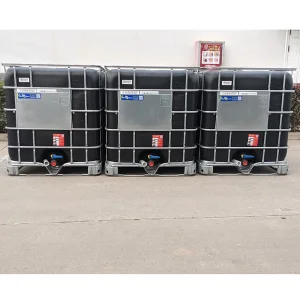
We use UN-approved packaging designed for hazardous and reactive materials. This includes moisture-proof liners, inert-gas purging for sensitive powders, and robust steel drums or reinforced wooden crates where required. All shipments comply with international maritime (IMDG) and air (IATA) safety regulations.
We warrant that our materials meet the agreed-upon technical specifications. If any quality deviations arise, our technical team works to resolve the issue, which may include material replacement or technical adjustment.
Shipping fees are calculated based on the delivery term (FOB, CIF, CFR), total weight, shipment volume, and hazard classification. Sea freight is typically the most economical option for bulk orders, while express transport is reserved for samples.
 Yanxatech