 Yanxatech


Whitepaper: Industrial Dynamics of Ammonium Nitrate and Sodium Hydroxide
In modern industrial chemistry, few materials hold as much foundational relevance as Ammonium Nitrate (NH4NO3) and Sodium Hydroxide (NaOH). Both compounds underpin vital industrial operations—from large-scale mining operations and chemical synthesis to advanced metallurgy and agricultural formulations. Understanding the chemical profiles, compatibility, reaction pathways, and global distribution logistics of these substances is critical for chemical procurement officers, facility engineers, and system safety supervisors.
1. Deep Chemical Profiling: Understanding the Reactivity
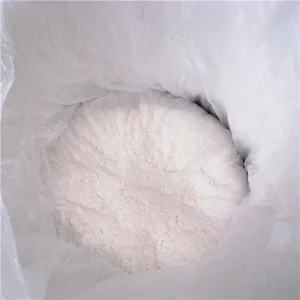
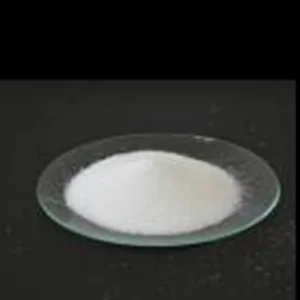
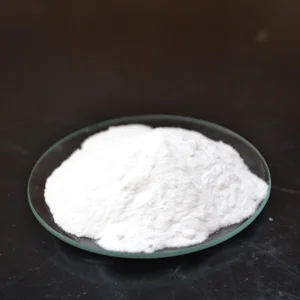
Ammonium Nitrate (CAS No. 6484-52-2): Structurally comprising ammonium cations and nitrate anions, this compound is a highly efficient oxidizer. When heated or triggered via detonation processes, it rapidly decomposes, yielding nitrous oxide (N2O) and water vapor. Under extreme energy inputs or compression, it undergoes rapid explosive decomposition, making it a critical component in commercial blasting agents like ANFO (Ammonium Nitrate/Fuel Oil). Crucially, the compound is extremely hygroscopic, demanding climate-controlled, dry storage to avoid clumping, caking, and structural instability.
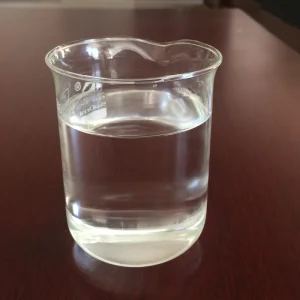
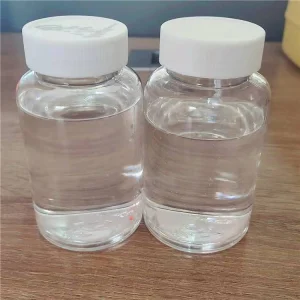
Sodium Hydroxide (CAS No. 1310-73-2): Known ubiquitously as caustic soda or lye, this strong inorganic base is characteristically ionic. Highly soluble in water, its dissolution is highly exothermic, generating significant heat. It is a critical agent in pH adjustment, alkaline digestion, chemical synthesis, and saponification. Due to its corrosive nature, it requires specialized handling materials, particularly avoiding reactive metals like aluminum, which release hydrogen gas upon contact.
2. Reaction Mechanics: Interaction of Ammonium Nitrate and Sodium Hydroxide
When Ammonium Nitrate ($NH_4NO_3$) and Sodium Hydroxide ($NaOH$) are combined, they undergo a classic double replacement acid-base neutralization reaction. This chemical pathway yields sodium nitrate, water, and gaseous ammonia:
NH₄NO₃ (aq) + NaOH (aq) → NaNO₃ (aq) + H₂O (l) + NH₃ (g) ↑
This reaction is highly exothermic and releases volatile, toxic ammonia gas ($NH_3$), which requires strict atmospheric control and scrubber installations in industrial facilities. As the reaction proceeds, the liquid mixture yields Sodium Nitrate (NaNO3), which is widely utilized as a food preservative, pyrotechnic ingredient, and solid rocket propellant oxidizer. Understanding these thermodynamic characteristics is essential for preventing hazardous chemical runaways during facility design and process engineering.
3. China Supply Chain Advantages: The Strategic Role of YANXA
China is home to some of the world's most integrated and efficient chemical industrial parks. Key raw materials—such as ammonia, nitric acid, and chlor-alkali products—are processed in close geographic proximity, minimizing transit risks and optimizing production costs. This cluster effect provides unmatched supply chain resilience. At Yanxatech System Industries Limited (YANXA), we leverage these structural advantages. Founded in 2008 as a focused business unit, we have grown into a premier supplier of specialty materials by partnering with top-tier manufacturers and leading research institutes across China.
Our strategic operations ensure that our clients receive consistent material quality with optimized cost structures. By maintaining close ties with primary chemical producers and advanced metallurgical labs, we supply high-performance liquid rubber, nitrates, and metal powders designed to meet challenging operational environments.
4. Global Procurement: Meeting International Standards
Acquiring specialty chemicals internationally requires navigating complex safety regulations and shipping protocols. Global chemical trade demands strict adherence to frameworks like GHS (Globally Harmonized System), REACH (Registration, Evaluation, Authorisation and Restriction of Chemicals), and regional environmental statutes.
- Document Auditing: Every chemical batch must be accompanied by accurate documentation, including Certificates of Analysis (COA), Certificates of Conformance (COC), and updated Safety Data Sheets (SDS) in the destination country's language.
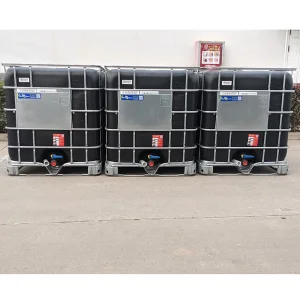
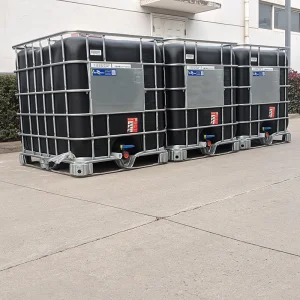
- Hazmat Packaging: Oxidizers (like Ammonium Nitrate) and strong corrosives (like Sodium Hydroxide) require UN-approved packaging. We utilize heavy-duty UN bags, moisture-proof drums, and temperature-controlled shipping configurations to prevent contamination or moisture ingress.
- Traceability & Quality: Our partner manufacturing facilities operate under strict ISO 9001:2008 guidelines, ensuring raw materials are traced from synthesis to final export packaging.
5. Localized Application Scenarios
Our product portfolio is engineered for diverse global industries, supporting optimized performance in specialized environments:
- Civil Explosives & Mining: High-grade Ammonium Nitrate serves as the oxidizing base in ANFO formulations, ensuring safe, controlled, and efficient rock fragmentation in mining and infrastructure projects.
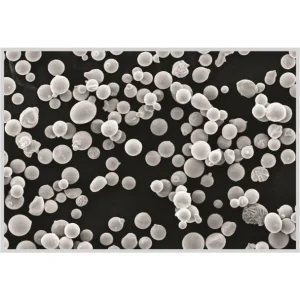
- Metallurgy & Metal Powder Processing: Advanced powder metallurgy utilizes specialized reducing agents, atomized spherical aluminum-magnesium alloys, and flake zinc-aluminum powders to create protective, high-corrosion-resistant coatings.
- Chemical Synthesis: High-purity Sodium Hydroxide is a primary reagent for pH adjustment and chemical synthesis across the pharmaceutical, textile, and paper industries.
- Adhesives & Sealants: Specialty liquid rubbers, including Hydroxyl-Terminated Polybutadiene (HTPB), are critical binders in high-performance structural adhesives, industrial sealants, and elastomeric coatings.