Premium grade gases, liquid rubber compounds, and metal powders engineered to match standard and custom specifications.
A deep look into the synthesis parameters, purity controls, and global supply dynamics of CAS No. 25322-68-3.
In modern industrial synthesis, chemical compounds with high molecular versatility serve as the foundation for manufacturing. Among these, Polyethylene Glycol (PEG), cataloged under CAS No. 25322-68-3, stands out as a critical polyether compound used in fields ranging from pharmaceutical formulation to polymer manufacturing. The stability, biocompatibility, and adjustable viscosity of PEG make it indispensable for processing modifiers, active pharmaceutical ingredients (APIs), thermal fluids, and polymeric binders.
As a leading supplier in China's specialty materials sector, YANXA (Yanxatech System Industries Limited) provides high-purity CAS No. 25322-68-3 configurations tailored for specific requirements. Our integration with certified research institutes in China guarantees consistent polymer distribution, low polydispersity indexes (PDI), and minimal catalyst residues, ensuring stability across industrial batches.
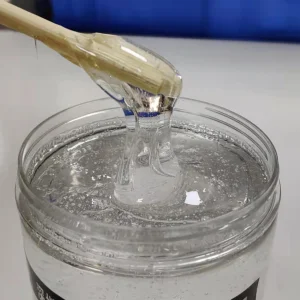
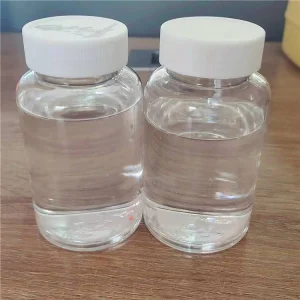
We supply a complete range of CAS No. 25322-68-3 products, matching standard grades from PEG 200 up to PEG 20000. Our advanced ethoxylation plants maintain trace-level limits on moisture, ethylene glycol monomers, and heavy metals, meeting international USP, EP, and industrial standards.
Understanding the correlation between molecular weight distributions and physical-chemical behavior in industrial settings.
| Product Grade | Average Molecular Weight | Physical State (at 25°C) | Viscosity (mm²/s, 99°C) | Hydroxyl Value (mg KOH/g) | Primary Industrial Application |
|---|---|---|---|---|---|
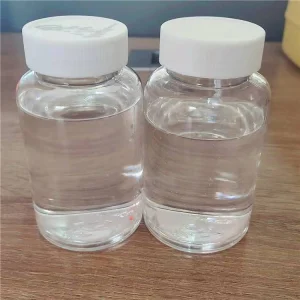
| PEG 200 / 300 | 190 – 310 | Clear, colorless liquid | 4.0 – 5.8 | 340 – 590 | Organic synthesis intermediates, plasticizers for polymers, inks |
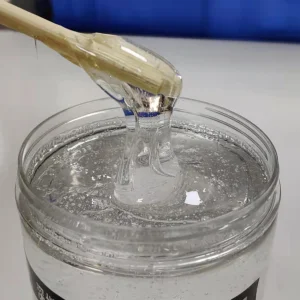
| PEG 400 / 600 | 380 – 620 | Viscous liquid | 6.8 – 11.5 | 178 – 295 | Solubilizers, cosmetic formulations, liquid rubber processing aids |
| PEG 1000 / 1500 | 950 – 1550 | Soft waxy solid | 22 – 36 | 70 – 118 | Water-soluble lubricants, binder systems for powder metallurgy |
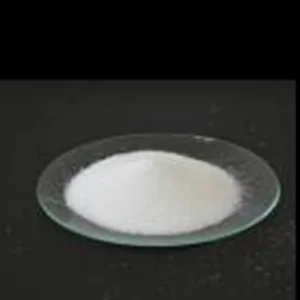
| PEG 4000 / 6000 | 3600 – 7000 | White flakes or powder | 110 – 470 | 16 – 31 | Tablet binders, mold release agents, specialized coating formulas |
| PEG 8000 / 20000 | 7000 – 22000 | White crystalline powder | 470 – 9000 | 5 – 15 | Paper coatings, water-soluble packaging films, thickening agents |
Our manufacturing sites utilize automated loop reactor technologies for ethoxylation, ensuring narrow molecular weight distribution (MWD) curves. Reducing high-MW tails improves dissolution speed and process consistency for downstream formulations.
For applications sensitive to trace compounds, our refining stages drop free ethylene oxide (EO) and 1,4-dioxane levels below 1 ppm and 10 ppm respectively. This matches USP guidelines, qualifying our product for cosmetic and biotech use.
From acting as soft segments in polyurethane elastomers to providing wetting properties in atomized alloy powders, PEG's chemical versatility makes it a core component for advanced material designs.
Providing high-purity chemical intermediates and engineering powders for high-demand international markets since 2008.
Yanxatech System Industries Limited (hereinafter referred to as YANXA) is one of the growing suppliers in the field of specialty materials in China. Starting from fledgling small business unit in 2008, YANXA is driven with the passion of developing broad international market in the area relating to chemical and mechanical industry. Thanks to our team’s enduring and persistent work and our business partners’ long-lasting support, YANXA has steadily and vigorously grown into one company with excellence in delivering products and services relating to specialty chemicals.
Cooperating with leading manufacturers and the renowned research institutes in the field of specialty chemicals in China, YANXA is capable of supplying:
Quality, safety and efficiency prevail all the values in our business. We care what our customers’ need on the general product as well as their unique and specific requirement for the newly developed application in a timely manner. We adhere strictly to the technical requirement and make delivery in almost perfect conformity. Chemical business exposes more safety concerns than any other industrial sectors. We undertake all activities involving chemicals in a safe way to ensure safety of human health and the environment.
Certification Standards:
ISO 9001:2008 & ISO 14001 Compliant Production Sites
Deep engineering insights into manufacturing methodologies, industrial workflows, and application optimization.
Polyethylene glycol is synthesized by the anionic polymerization of ethylene oxide initiated by water, monoethylene glycol, or diethylene glycol. The catalytic system, typically sodium or potassium hydroxide, is carefully neutralized and filtered out to prevent downstream decomposition or catalytic activity in polymer formulations.
For liquid rubber systems (such as CTBN or ATBN), higher-grade PEG forms serve as structural chain extenders and processing aids. They balance raw viscosity while helping distribute filler materials like silica and carbon black within the elastomer matrix, improving mechanical properties.
During the compaction of atomized alloy powders (such as Flake Zn-Al or Al-Mg systems), PEG 4000 and 6000 act as high-performance binders and lubricants. They clean burn-out completely during sintering without leaving carbon deposits that degrade metal grains.
Direct technical data and product descriptions of our chemical compounds and organic intermediates.
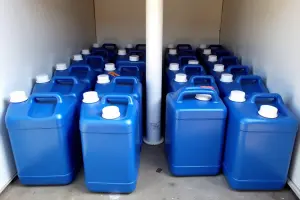
Product Characteristics: Formaldehyde is a colorless liquid, easily polymerized, and readily soluble in water, alcohol, and ether. It is rapidly oxidized to formic acid in air, acting as a strong reducing agent.
Boiling Point: -19°C (gas) / 96°C (solution)
Freezing Point: -118°C
Delivery Form: Formalin (37% - 50% solution, stabilized with methanol)
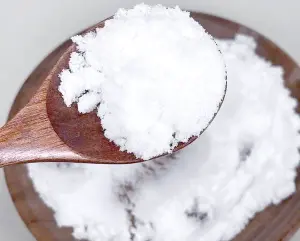
Product Overview: Also known as HMTA, it is a white crystalline powder produced by the condensation reaction of formaldehyde and ammonia. A versatile organic chemical intermediate used in rubber, resins, and medicine.
CAS No: 100-97-0
Formula: C₆H₁₂N₄
Molecular Weight: 140.19 g/mol
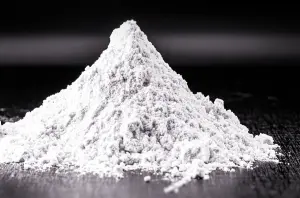
Product Features: A white powdery solid with a flammable odor of formaldehyde. It is a linear polymer of formaldehyde with no fixed melting point, designed for synthesis applications needing low water content.
Content Assay: ≥ 96.0% or ≥ 92.0%
Solubility: ≤ 40 minutes (dissolution test)
Free Formic Acid: ≤ 0.05%
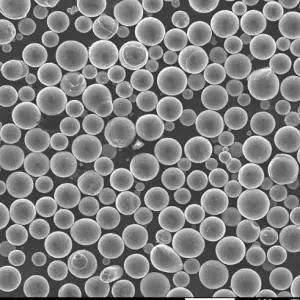
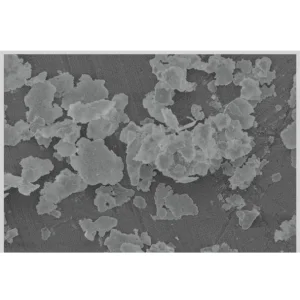
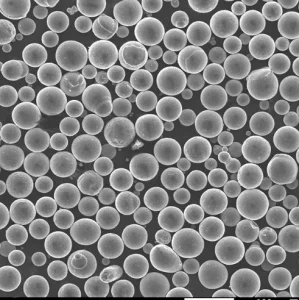
Premium grade spherical metal powders engineered for additive manufacturing, chemical reduction, and energetic materials applications. Provides excellent flowability and packing density.
Learn More +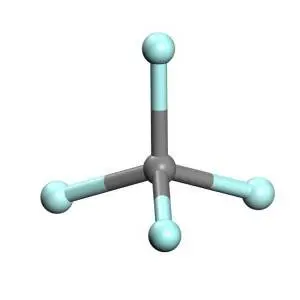
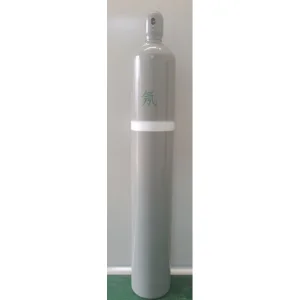
High purity fluorocarbon gas widely used as a low-temperature plasma etchant in semiconductor device manufacturing and microelectronics production lines.
Learn More +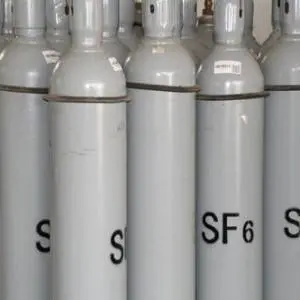
Exceptional dielectric gas used widely in high-voltage circuit breakers, gas-insulated substations (GIS), and other electrical transmission equipment as an arc quencher.
Learn More +How YANXA guarantees continuous availability, safety compliance, and cost-effective shipping for bulk international orders.
Procuring raw materials like CAS No. 25322-68-3 (PEG), reactive monomers, or combustible powders requires specialized supply chain systems. Chemical logistics must comply with strict national regulations in China and international destination ports. YANXA addresses these challenges through integrated safety systems, real-time logistics monitoring, and compliance documentation.
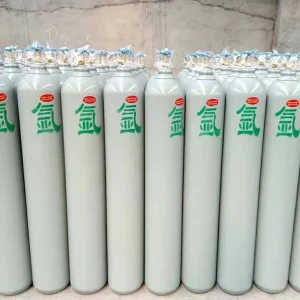
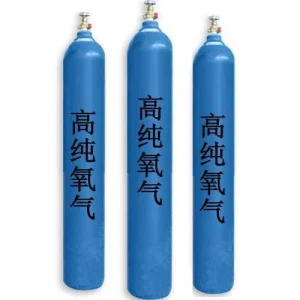
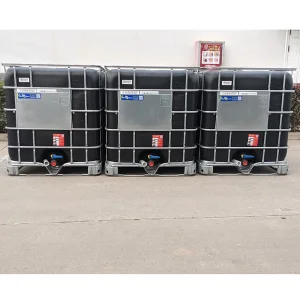
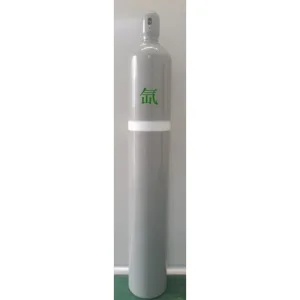
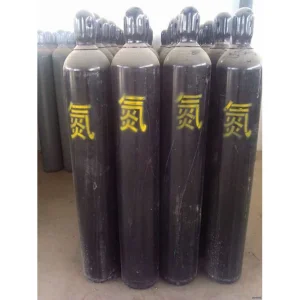
We work with established logistics providers to handle transport classifications for hazardous and non-hazardous products. Solid PEG forms are stored in temperature-controlled warehouses to prevent clumping during seasonal transits. Gases like Argon and Neon are shipped in high-pressure cylinders with complete DOT, ISO, or TPED certifications.
In addition, our manufacturing facilities adhere to strict EHS (Environment, Health, Safety) parameters. This ensures production stability, avoiding sudden environmental shutdowns and guaranteeing stable contract pricing for our global partners.
Direct answers regarding specifications, order volumes, lead times, and global shipping policies.
Explore our extended line of chemical formulations, cracking assemblies, and metallurgical components.
 Yanxatech