Explore our premium selection of highly synthesized noble gases, metallic alloy complexes, and liquid rubber polymers tailored for critical aerospace, electronic, and industrial manufacturing pipelines.
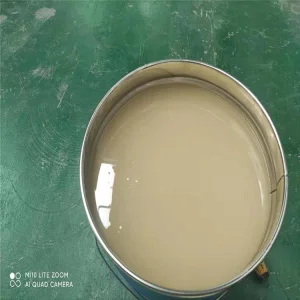
Liquid rubber for molds represents the vanguard of modern tooling and casting technologies. Designed for seamless reproduction of intricate textures, deep undercuts, and highly detailed geometric structures, these polymers cure at room temperature (RTV-2) or via accelerated thermal treatment to form durable, highly flexible elastomeric membranes. Across international supply chains, industrial designers, architectural restoration specialists, and high-performance engineers depend on these materials to yield reliable performance under demanding processing conditions.
Selecting the correct liquid rubber system—whether based on room-temperature vulcanizing (RTV) silicones, liquid polybutadiens, or polyurethanes—requires an in-depth understanding of the chemical interactions at play during the curing cycle. By tuning the base viscosity, Shore A hardness, tensile strength, and chemical resistance parameters, Chinese manufacturers are tailoring bespoke solutions that maximize mold longevity and minimize reproduction errors.
Established as a fledgling, passionate small business unit in 2008, Yanxatech System Industries Limited (YANXA) has systematically expanded to become one of the premier growth-oriented suppliers of specialty chemical formulations and advanced mechanical industry raw materials in China. Our longevity and leadership in the market are backed by a persistent focus on developing robust international trade channels and cultivating technical partnerships with leading chemical research institutes.
Cooperating closely with state-of-the-art laboratory systems and renowned research academies across China, YANXA is fully equipped and structured to supply:
While the market is flooded with standard condensation and addition-cure silicones, YANXA specializes in high-performance liquid rubber derivatives, including Liquid Polybutadiene and modified elastomer complexes. These substances act as crucial binders, modifiers, and polymer bases in environments where extreme physical toughness, water-proofing, and thermal endurance are required.
MLPB is formed by grafting maleic anhydride onto the molecular chain of liquid polybutadiene. The introduction of highly polar anhydride groups drastically enhances the adhesion of the rubber to polar substrates such as metal, glass, and epoxy resins. For mold-making applications, this chemical structure allows for the creation of composite structural molds that require high bonding integrity between the elastomer backing and structural supports.
EPB contains active epoxy rings along its carbon backbone. This structural property enables dual curing mechanisms—combining the flexibility and low-temperature resilience of traditional polybutadiene with the high-strength cross-linking of epoxy resins. EPB is highly favored in electrical encapsulation molds and chemical processing tools due to its superb dielectric properties and resistance to strong acids and bases.
China has established itself as the global epicenter for specialty polymer synthesis, backed by comprehensive industrial clusters and chemical manufacturing zones. When procuring liquid rubber for molds from China, international buyers unlock several competitive advantages:
From basic petroleum derivatives and butadiene monomers to highly modified liquid rubber variants (EPB, MLPB), China's chemical supply chain operates as a fully integrated ecosystem, minimizing lead times and raw material fluctuations.
Equipped with R&D divisions in chemical hotbeds, Chinese manufacturers can modify viscosity, pot-life, and vulcanization profiles to match specific environmental parameters and demolding cycles of global clients.
High production volumes coupled with optimized automated processing technologies mean highly competitive pricing lists for wholesale buyers without compromising chemical purity and batch consistency.
Exporting specialty materials globally requires adherence to rigid safety and environmental protocols. For Western enterprises, procurement is heavily dependent on regulatory compliance. YANXA ensures that all liquid rubber systems meet critical global thresholds:
Liquid rubber for molds is utilized across a vast spectrum of engineering and creative fields. Understanding these local application scenarios helps procurement officers specify the correct mechanical and chemical parameters during the initial quoting phase:
In municipal restoration projects, liquid rubber molds are painted or sprayed directly onto historic concrete, plaster, and stonework. The high tear strength and elasticity allow workers to peel the mold off complex shapes without breaking fine elements. The chemical stability ensures that the alkaline nature of wet concrete does not erode the mold face over repeated castings.
For carbon fiber and composite layup processes, tools must endure high pressure and elevated temperatures. Specialized epoxy-modified liquid rubbers serve as heat-resistant mold facings, allowing precise vacuum-forming and autoclave processing while preserving critical dimensional tolerances.
In electrical engineering, low-viscosity liquid rubber compounds are poured around delicate circuitry. This protects components from thermal shock, mechanical vibration, moisture ingress, and high electrical current leakage, functioning as both a protective layer and a structural mold.
Understanding the exact specifications of adjacent chemical products supplied by YANXA helps paint a complete picture of our manufacturing capabilities. Below are details of key materials produced and distributed within our supply network.
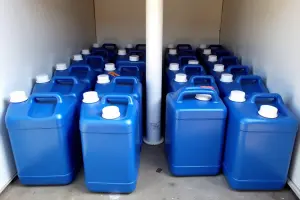
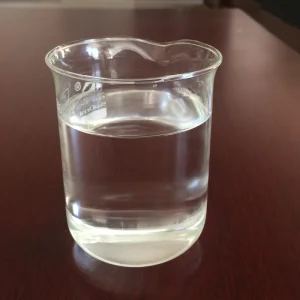
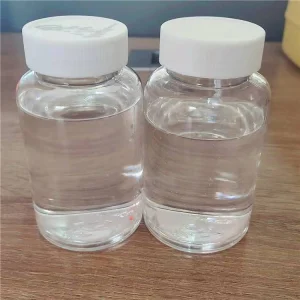
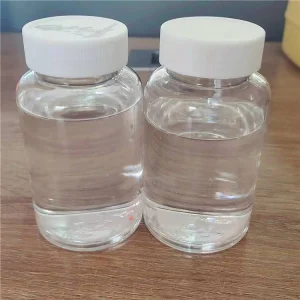
Colorless liquid, easily polymerized, soluble in water, alcohol, and ether. Strong reducing agent. Boiling point: -19℃.
more+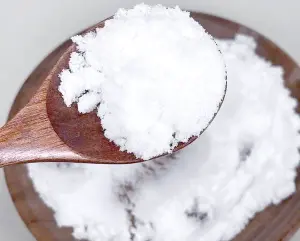
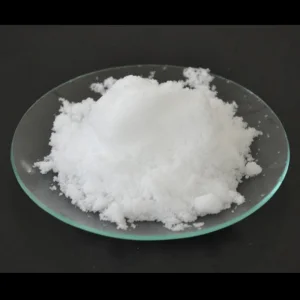
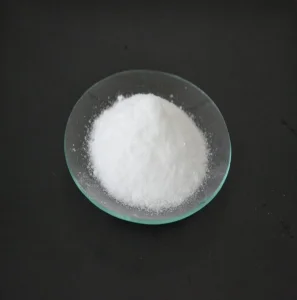
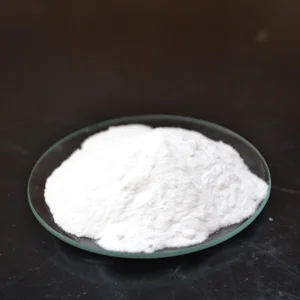
White crystalline powder intermediate. CAS No.: 100-97-0. C₆H₁₂N₄. Used in rubber processing and resin synthesis.
more+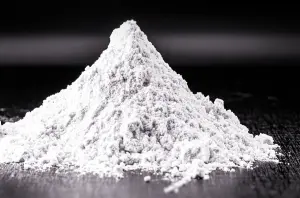
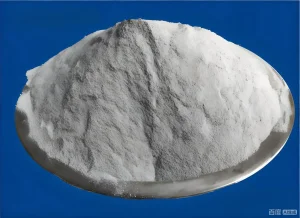
White powdery solid with flammable odor. Linear polymer of formaldehyde. Active content ≥96%.
more+| Item Specification | High-Grade Specs | Standard Grade Specs |
|---|---|---|
| Appearance | White powder/solid | White powder/solid |
| Content | ≥96% | ≥92% |
| Solubility | ≤40 minutes | ≤40 minutes |
| Formic acid | ≤0.05% | ≤0.05% |
| PH | 5-7 | 5-7 |
The industrial landscape for liquid mold-making materials is transitioning toward sustainability and high efficiency. Leading research highlights three prominent trends:
1. Bio-based Raw Materials: Replacing petroleum-derived monomer stocks with bio-derived alternatives to reduce the carbon footprint of structural rubber molds.
2. Rapid-Curing Formulations: Utilizing tailored catalyst packages that maintain long pot lives but trigger rapid polymerization once exposed to target heat thresholds, significantly boosting workshop output.
3. Advanced Nano-composites: Infusing graphene oxide or carbon nanotubes into liquid rubbers to amplify thermal conductivity and self-healing behaviors, opening new frontiers in flexible electronics prototyping.
Find answers to technical specifications, lead times, safety regulations, and wholesale procurement parameters below.
Our prices are subject to change depending on supply, raw material markets, and customized additive requirements. We will send you an updated price list after your company contacts us with detailed volume specifications.
Yes, we require all international orders to have an ongoing minimum order quantity. If you are looking to resell or procure in smaller experimental quantities, please discuss your needs with our sales team so we can offer custom arrangements.
Yes, we can provide the majority of requested documentation, including Certificates of Analysis / Conformance (COA/COC); Insurance documents; Certificates of Origin, and all standard export papers required by customs.
For laboratory/prototyping samples, the lead time is approximately 7 days. For mass-production runs, the standard lead time is 20-30 days after receiving deposit confirmation. Lead times commence once we receive your deposit payment and secure your final product approvals. If our estimated timeline does not align with your deadline, contact our sales manager to see if expedited scheduling is possible.
We accept payments to our bank account via 30% deposit in advance, and the remaining 70% balance against the copy of B/L by T/T or L/C at sight.
We warranty our materials and workmanship. Our commitment is to ensure you are fully satisfied with our products. Regardless of whether a matter falls under formal warranty, it is YANXA's company culture to address and resolve all customer issues to your satisfaction.
Yes, we always employ high-quality export-grade packaging. For dangerous goods or temperature-sensitive chemicals, we utilize specialized hazard-rated packagings and validated cold-storage logistics. Note that specialist or custom non-standard packaging may incur additional fees.
Shipping fees are dictated by the transportation method selected. Express shipping is the fastest but also the most expensive route. Sea transportation is typically the most economical solution for large volumetric orders. Exact freight quotes can only be provided when we know your order amount, destination, total weight, and shipping method.
Shore A hardness measures the flexibility of cured rubber. For molds with deep undercuts or complex patterns, choose a lower Shore hardness (e.g., Shore 15A - 25A) to ensure easy demolding. For large, rigid molds requiring strong backing or structural casting, select Shore 40A - 60A to prevent deformation under heavy resin or concrete weight.
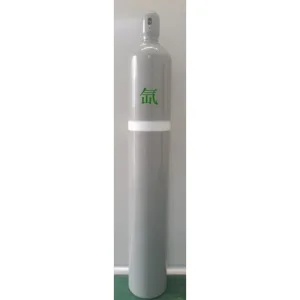
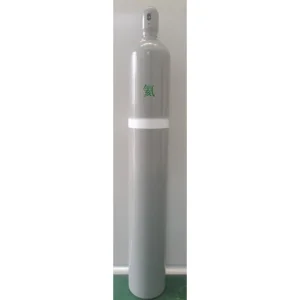
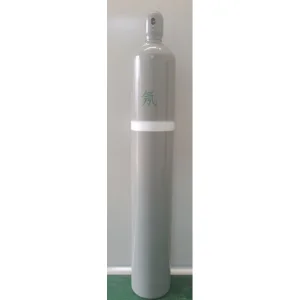
Our extensive catalog includes high-purity industrial gases, functional acetates, and reactive rubber intermediates engineered to meet severe manufacturing conditions.
 Yanxatech