Explore our premium product portfolio engineered for mechanical durability, energy storage, chemical processing, and precise industrial coatings.
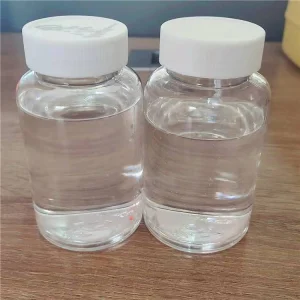
Over the last decade, global environmental regulations and engineering requirements for massive containment reservoirs, agricultural ponds, and commercial aquaculture installations have transformed waterproofing technologies. Traditional sheets like PVC, HDPE, and EPDM liners, though still utilized, have structural limitations: vulnerable seam lines, labor-intensive welding processes, vulnerability to physical root penetrations, and difficulty sealing complex geometry like corners, inlets, and penetrations.
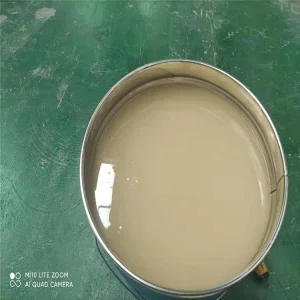
Liquid rubber for ponds represents the current pinnacle of polymer chemistry adaptation for continuous, seamless protection. Once applied, liquid rubber undergoes a chemical cross-linking or solvent-evaporative drying phase, turning into a highly elastic, dense elastomeric layer. With elongation capacities typically exceeding 500% to 900% and dynamic self-healing tendencies, liquid rubber absorbs thermal expansion and concrete substrate micro-cracking without sacrificing waterproof integrity.
By leveraging advanced raw materials, China has emerged as the premier manufacturing base for specialized liquid rubbers—such as Maleic Anhydride Grafted Polybutadiene (MLPB), Hydroxyl Terminated Butadiene Rubber (HTBN), and Liquid Styrene Butadiene Rubber (LSBR). Industrial designers can now customize raw formulation matrices to withstand high salinity, extreme ultraviolet radiation, high dynamic stress, and strict environmental biological safety standards.
A technical guide to the primary polymer matrices used in heavy-duty commercial liquid rubber waterproofing systems.
MLPB introduces polar anhydride functional groups onto a non-polar polybutadiene backbone. This chemical modification increases the liquid rubber's adhesion to wet or damp concrete surfaces, masonry, and metallic substrates. MLPB is ideal for primary basecoats in large-scale municipal retention basins and pond systems where high shear resistance is required.
HTBN is a liquid nitrile rubber terminating in reactive hydroxyl groups, which polymerizes through polyurethane linkers. This yields a product combining high chemical resistance, excellent low-temperature flexibility (as low as -50°C), and strong resistance to fuel oils, acids, and wastewater microbes. It is widely specified for containment structures holding chemical runoff.
LSBR integrates styrene into the rubber matrix, enhancing mechanical strength, abrasion resistance, and UV radiation stability. It provides a balanced, cost-effective formulation for agricultural irrigation ponds, decorative landscaping lakes, and commercial aquaculture, where continuous direct exposure to sunlight and water currents is expected.
A reference matrix mapping performance grades, technical benchmarks, and estimated FOB China price points for large industrial orders.
| Liquid Rubber Grade / Chemistry | Primary Industrial Use Case | Solid Content (%) | Elongation Limit (%) | Standard Packaging | Price Bracket (FOB Qingdao/Shanghai) |
|---|---|---|---|---|---|
| Standard LSBR Grade (Pond-Spec) | Agricultural & Landscape Ponds | ≥ 62% | ≥ 650% | 200L Steel Drum / Flexitank | $2,450 – $2,950 / Metric Ton |
| Industrial-Grade MLPB | Concrete Substrate Primers & Wastewater Ponds | ≥ 98% (Active Liquid) | ≥ 500% | 190kg Drum / IBC Tote | $3,100 – $3,650 / Metric Ton |
| High-Performance HTBN (Premium) | Acid & Chemical Storage Ponds | ≥ 99.2% (Active Liquid) | ≥ 800% | 200L Drum / IBC Tank | $3,800 – $4,400 / Metric Ton |
| Medium Vinyl Liquid Polybutadiene | Industrial Sealants & Heavy-Duty Liners | ≥ 99% | ≥ 700% | 190kg Drum | $2,900 – $3,450 / Metric Ton |
* Important Note on Pricing Dynamics: The prices listed above are subject to fluctuations based on crude oil monomer costs (butadiene and styrene), polymerization processing energies, shipping container freight indexes, and customization requirements (such as anti-microbial or high UV inhibitors additives). Contact Yanxatech System Industries Limited for a current project-specific quote.
Standard practices for preparing substrates and applying liquid rubber to ensure a lifetime exceeding 25 years.
Any concrete, earth, or composite base must be structurally sound and clean. Moisture levels should remain under 4-5% to prevent osmotic blistering. Crack repair and corner reinforcement with glass fiber mesh must be performed prior to chemical application.
We recommend applying one coat of a polar primer (e.g., MLPB-modified compound) followed by two coats of active LSBR or HTBN. Liquid rubber is best applied using airless sprayers for large basins, or rollers for localized geometries, achieving a dry film thickness of 1.5mm to 2.5mm.
Polymerization kinetics depend on temperature and humidity. Full cross-linking and moisture release occur within 24 to 72 hours. Once fully cured, the membrane is safe for aquatic flora and fauna, and ready for water-fill pressure testing.
Ponds designed for aquaculture (fish farming, shrimp cultivation) or public municipal reservoirs require certified non-toxic coatings. Conventional tar-epoxies and lower-grade solvent-based polyurethanes can leach bisphenols, aromatic hydrocarbons, and heavy metal catalysts into the water column.
Our China-manufactured liquid rubbers are engineered for environmental safety. They do not leach VOCs, and they maintain pH stability. This protects aquatic life and prevents structural deterioration in concrete ponds.
Integrating chemical supply chains to deliver high-performance specialized materials globally.
Yanxatech System Industries Limited (hereinafter referred to as YANXA) is one of the growing suppliers in the field of specialty materials in China. Starting from a fledgling small business unit in 2008, YANXA has been driven with the passion of developing a broad international market in the area relating to chemical and mechanical industries. Thanks to our team’s enduring and persistent work and our business partners’ long-lasting support, YANXA has steadily and vigorously grown into a company with excellence in delivering products and services relating to specialty chemicals.
Cooperating with leading manufacturers and renowned research institutes in the field of specialty chemicals in China, YANXA is capable of supplying: 1) liquid rubber; 2) nitrate; 3) metal powder & metal alloyed powders. Our business philosophy is centered around quality, safety, and efficiency prevailing over all other values. We address our customers' needs for standard products as well as their unique, specific requirements for new applications in a timely manner.
Original high-purity chemical components and industrial materials manufactured to international ISO standards.
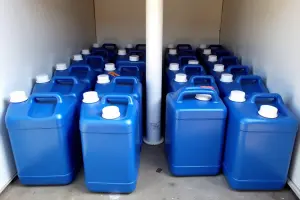
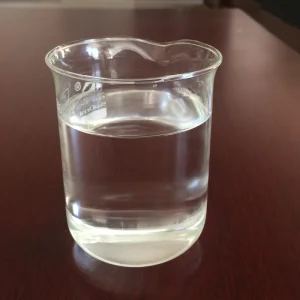
CAS No. 50-00-0. Colorless liquid, easily polymerized, soluble in water and alcohols. Supplied as 37-50% formalin stabilizer-inhibited solution.
Specifications & Quotes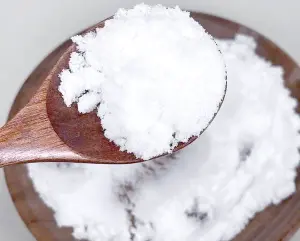
CAS No. 100-97-0, Formula: C6H12N4. White crystalline condensation product of formaldehyde and ammonia used in synthetic rubber & resin curing.
Specifications & Quotes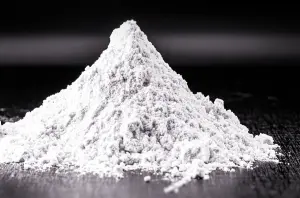
White powder solid, linear formaldehyde polymer. Content ≥96%, Formic acid ≤0.05%, pH range 5-7. Designed for resin polymerizations.
Specifications & Quotes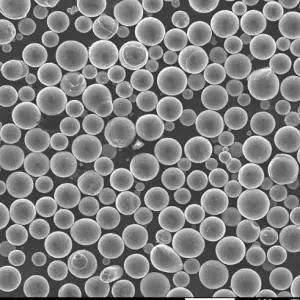
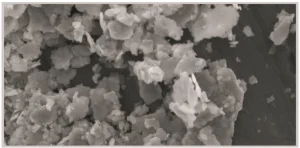
Atomized spherical configuration. Provides uniform metal powder distribution for chemical reactors, thermal sprayings, and pyrotechnics.
Specifications & Quotes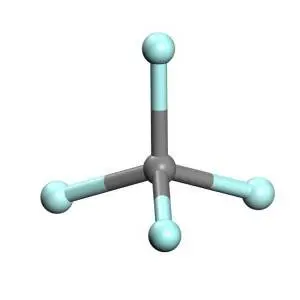
Industrial-grade gaseous carbon tetrafluoride. High chemical stability, used in etching processes and electronic refrigeration.
Specifications & Quotes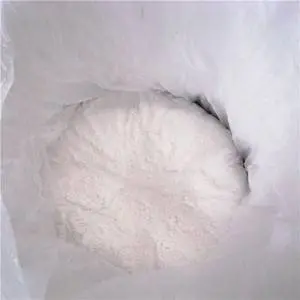
High-grade industrial and food additive compound, widely utilized as an anti-caking agent, calcium supplement, and buffer.
Specifications & Quotes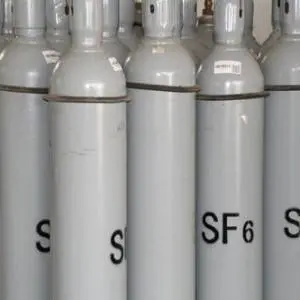
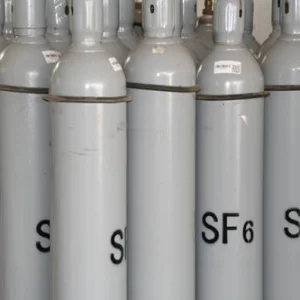
Ultra-insulating dielectric gas for high-voltage switchgear. Exceptional heat dissipation and arc-extinguishing performance.
Specifications & QuotesHow polymer breakthroughs are driving sustainability and performance in industrial water containment.
Development of bio-based monomers to replace petroleum-derived butadiene, reducing carbon footprints by 35%.
Commercialization of self-healing polybutadiene matrices that automatically seal micro-cracks upon water contact.
Smart UV-reflective color-shifting coatings that change hue to indicate structural or ozone degradation.
Global environmental programs are phasing out coal-tar sealers and high-solvent formulations. Regulatory bodies (including the EPA and European REACH program) are enforcing strict limits on run-off toxicity. This regulatory shift has accelerated the adoption of zero-VOC liquid rubber coatings.
Yanxatech is committed to green manufacturing. Our R&D team continuously refines polymerization techniques to minimize residual monomers, ensuring our liquid rubbers remain safe for fish, plants, and potable water reservoirs. By choosing high-durability liquid rubber over thin polyethylene sheeting, projects minimize plastic waste, reduce frequent repairs, and lower their lifecycle carbon footprint.
Expert answers regarding chemical properties, application procedures, order minimums, and shipping logisitcs.
When applied at the recommended thickness (1.5mm to 2.5mm DFT) onto a properly primed concrete or geotextile substrate, a liquid rubber membrane can last 20 to 25+ years in underground or fully submerged conditions. Its high elongation limits allow it to withstand substrate shifts and winter-summer thermal expansion cycles.
Our prices are subject to change depending on chemical supply and other market factors. We will send you an updated price list after your company contacts us for further details. Variables include the specific formulation selected (e.g., HTBN vs. LSBR), volume requirements, packaging choices, and custom additives (such as specialized flame retardants or pigment packages).
Yes, we require all international orders to have an ongoing minimum order quantity. This allows us to optimize production runs and offer competitive wholesale pricing. If you are looking to resell or procure smaller quantities, please contact our sales desk for current distributor options.
For chemical samples, the lead time is about 7 days. For mass production and bulk orders, the lead time is 20-30 days after receiving the deposit payment. Lead times become effective when we receive your deposit and finalize your custom product specifications. If you have urgent construction schedules, please coordinate with our sales managers to expedite production where possible.
Yes, we can provide comprehensive documentation including Certificates of Analysis (COA) / Conformance, material safety data sheets (MSDS/SDS), marine transport certificates, certificates of origin, and custom export documents. Our manufacturing facilities are ISO 9001:2008 certified to ensure consistent quality.
We accept bank wire transfers (T/T) and letters of credit (L/C) at sight. Our standard terms are a 30% deposit in advance, with the 70% balance paid against the copy of the Bill of Lading (B/L) by T/T or L/C.
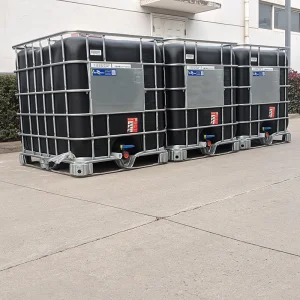
We use high-quality, durable export packaging, including heavy-gauge steel drums, thick-walled plastic drums, and robust IBC totes. For hazardous classifications, we use specialized UN-approved packaging and temperature-controlled containers to prevent polymerization or freezing during transit.
Explore our liquid rubbers, polyether polyols, active gases, and blasting technologies engineered for demanding environments.
 Yanxatech