The global construction and infrastructure industries are undergoing a massive shift towards sustainable, high-durability, and easily applicable protective barriers. Traditional torch-on bitumen membranes are rapidly being replaced by advanced cold-applied liquid rubber waterproofing systems. These next-generation systems offer seamless elastomeric barriers, mitigating the risk of leaks at joints and complex geometrical structures.
Key technological advancements driving this sector include the integration of highly specialized block copolymers, such as Hydroxyl-Terminated Butyronitrile (HTBN), Amino-Terminated Nitrile Butadiene Rubber (ATBN), and Liquid Styrene Butadiene Rubber (LSBR). These polymers impart exceptional elasticity (often exceeding 800% elongation limits), high tensile recovery, and outstanding resistance to extreme temperatures, chemical exposure, and UV radiation.
Low-VOC, solvent-free liquid rubber emulsions are meeting stringent global regulatory guidelines (such as REACH and LEED v4 certifications), offering safer installation environments.
Synthetic liquid rubbers maintain structural flexibility across extreme thermal variations from -40°C to over 120°C, avoiding brittle fractures in sub-zero regions.
Advancements in polymer science enable single-component systems to cure rapidly upon air contact, reducing structural downtime and operational risk during rainy seasons.
B2B procurement agents for major engineering projects, commercial construction firms, and industrial chemical distributors operate under strict quality and financial parameters. When looking for a reliable China liquid rubber waterproofing supplier, their checklist goes far beyond mere unit pricing. Modern global procurement mandates:
The dynamic landscape of chemical synthesis has positioned Chinese factories at the forefront of global production efficiency. Leveraging advanced digital architectures, automated control systems, and automated polymerization lines, YANXA (Yanxatech System Industries Limited) exemplifies the progression towards Industry 4.0. Established in 2008, YANXA has developed a deeply integrated supply ecosystem, guaranteeing reliable material flow and price stability despite macro-economic disruptions.
By partnering directly with major domestic petrochemical refineries and top-tier research institutes, YANXA oversees the complete lifecycle of its chemical offerings. This integration covers the raw input chemicals (such as formaldehyde, paraformaldehyde, and speciality nitrates) straight through to high-end modified polymer synthesis. This ensures that every shipment adheres to stringent international performance metrics.
Automated reaction vessels ensure exact monomer addition rates, reducing discrepancies in critical products like HTBN and LSBR.
Strict safety controls minimize operational disruption, protecting both worker health and the global delivery timeline.
To assist chemical engineers and industrial compounders in making informed decisions, the table below provides technical details on the specialty compounds and performance polymers in our supply chain portfolio.
| Product Classification | Core Chemistry / CAS No. | Primary Application Area | Key Performance Attribute |
|---|---|---|---|
| Hydroxyl Terminated Butyronitrile (HTBN) | Liquid Elastomeric Copolymer | Structural Adhesives, Waterproofing Membranes | High oil/chemical resistance, superior low-temp flexibility |
| Random Carboxy Nitrile Butadiene (L-XNBR) | Carboxylated Liquid Rubber | Tougening Agent, Industrial Sealants | Excellent substrate adhesion, high shear strength |
| Liquid Polybutadiene (HTPB/PB) | Hydroxy-Terminated / Medium Vinyl | Waterproofing binders, propellant binders | Superior hydrolytic stability, cold-temperature resistance |
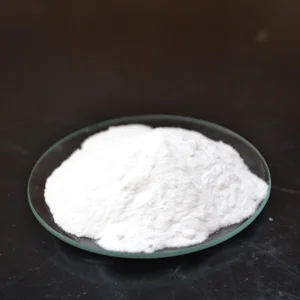
| Paraformaldehyde Powder 96% | CAS No. 30525-89-4 | Resin synthesis, disinfectant, crosslinker | High purity (≥96%), controlled depolymerization rate |
| Hexamethylenetetramine (Hexamine) | CAS No. 100-97-0 | Phenolic resin curing, explosives, rubber helper | Stable crystalline structure, versatile crosslinking |
| Formaldehyde Solution | CAS No. 50-00-0 | Chemical intermediate, disinfectant, polymer precursor | 37%-50% concentrations stabilized with methanol |
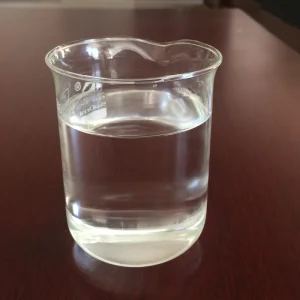
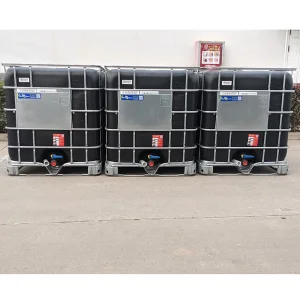
Formaldehyde: A highly reactive chemical building block. Commercially supplied as a 37-50% aqueous solution (Formalin), containing methanol as a polymerization inhibitor to prevent precipitation. This product exhibits a boiling point of 96°C and a flash point of 55°C, requiring special handling protocols during maritime shipping.
Hexamethylenetetramine (HMTA / Hexamine): Formed via the reaction of formaldehyde and ammonia. Hexamine is a critical raw material for structural resin formulations, vulcanized rubber agents, and pharmaceutical syntheses. Its crystalline purity ensures predictable reactivity when introduced as a curing agent.
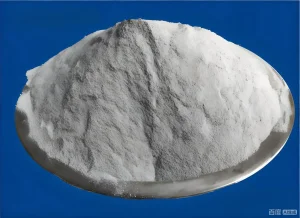
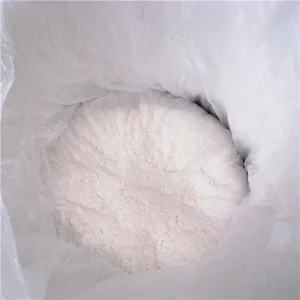
Paraformaldehyde (96% Powder): As the solid polymerized counterpart of formaldehyde, paraformaldehyde offers high concentrations of active formaldehyde without the water bulk. This significantly reduces shipping costs and processing waste for overseas manufacturing facilities.
Our specialty liquid rubber and raw chemical materials are deployed across diverse global engineering landscapes:
Applied extensively to bridge decks, high-speed rail foundation slabs, and subway tunnels. The liquid rubber forms a seamless, crack-bridging membrane that resists soil settlement and underground water ingress.
Used to formulate protective coatings for chemical processing plants, primary containment zones, and wastewater treatment facilities, utilizing the chemical resistance of HTBN and L-XNBR polymers.
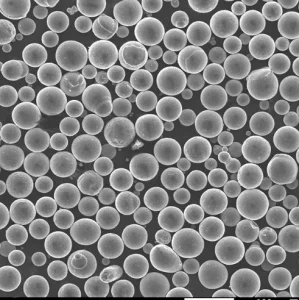
Products like our Atomized Spherical Aluminum Magnesium Alloy Powder are crucial for high-durability thermal spray coatings, protecting steel structural elements from maritime corrosion.
 Yanxatech