Explore our core product lines, featuring precision-manufactured liquid rubbers, ultra-high-purity electronic gases, and high-performance metallic powders from ISO-certified production facilities.
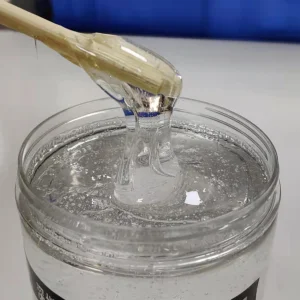
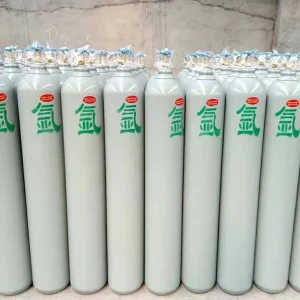
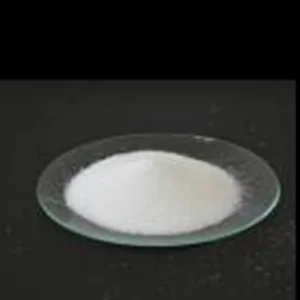
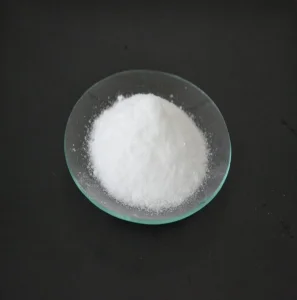
Polyethylene Glycol 8000 (commonly abbreviated as PEG 8000, CAS Registry Number: 25322-68-3) is a high-molecular-weight linear polyether compound formed through the ring-opening addition polymerization of ethylene oxide. The numerical designation "8000" refers to its average molecular mass. At a molecular weight of approximately 7,000 to 9,000 g/mol, PEG 8000 shifts from the liquid or semi-solid state typical of lower-molecular-weight homologs (such as PEG 400 or PEG 1500) into a hard, white, waxy crystalline solid.
This structural polymer exhibits high water solubility combined with a low melting point (60°C to 63°C), making it an invaluable formulation agent. The repeating oxyethylene units ($-\text{CH}_2-\text{CH}_2-\text{O}-$) create a highly hydrophilic environment. The ether oxygen atoms form strong hydrogen bonds with water molecules, establishing a tight hydration shell. Consequently, PEG 8000 functions as an effective osmotic regulator, binding agent, and rheological modifier in both aqueous solutions and anhydrous organic mixtures.
| Technical Parameter | Specification Target Range (High Purity / Pharm Grade) | Testing Methodology Reference |
|---|---|---|
| Appearance | White to Off-White Waxy Flakes, Powder, or Granules | Visual Inspection |
| Average Molecular Weight | 7,000 – 9,000 g/mol | Gel Permeation Chromatography (GPC) |
| Melting Point Range | 60°C – 63°C | Capillary Tube / DSC Analysis |
| Viscosity at 99°C | 370 – 490 mm²/s (cSt) | Ubbelohde Capillary Viscometer |
| pH (5% Aqueous Solution) | 4.5 – 7.5 | Potentiometric pH Meter at 25°C |
| Ethylene Oxide (Free) | ≤ 1 ppm (Ultra-Pure Target) | Headspace Gas Chromatography (GC-FID) |
| 1,4-Dioxane (Residual) | ≤ 5 ppm | Gas Chromatography / Mass Spectrometry |
| Water Content (Karl Fischer) | ≤ 0.5% w/w | Coulometric Karl Fischer Titration |
The international market for Polyethylene Glycol 8000 is characterized by strict regulatory standards and diverse industrial application sectors. In North America and the European Union, the demand for PEG 8000 is primarily driven by its use in biopharmaceutical manufacturing, oral care products, and cosmetics. As an FDA-approved excipient, it is widely used in pharmaceutical tablet formulations, acting as a binder, lubricant, and plasticizer.
Commonly used as an osmotic laxative agent (e.g., Macrogol 3350/4000/8000 variants) and as a solubilizer for hydrophobic active pharmaceutical ingredients (APIs).
Serves as a high-melting-point base for creams, lotions, and toothpastes, providing the necessary viscosity structure and moisture retention capabilities.
Widely utilized as a mold release agent in rubber processing, a binder in advanced structural ceramics, and a sizing agent in textile weaving.
In the Asia-Pacific region, rapid industrial expansion and growing chemical synthesis capacities have made China a primary manufacturing hub for Polyethylene Glycol. Factories leverage advanced alkoxylation technologies to produce PEG 8000 at scale, offering cost-effective supply chains for global markets without compromising chemical purity.
The synthesis of high-purity PEG 8000 requires precise process controls. Traditionally, ethylene oxide polymerization is catalyzed using basic initiators, such as potassium hydroxide (KOH) or sodium methoxide. While effective, traditional alkaline catalysis can generate secondary byproducts and yield a wider molecular weight distribution.
The industry is shifting toward Double Metal Cyanide (DMC) catalyst systems. DMC catalysts significantly lower polydispersity indexes (PDI), producing more uniform PEG chains.
Innovations in post-polymerization stripping processes have successfully reduced residual ethylene oxide and 1,4-dioxane to sub-ppm levels, meeting strict pharmaceutical monographs.
Modern manufacturing centers are adopting bio-based ethylene glycols derived from agricultural waste, reducing the carbon footprint of polyether synthesis.
Future development focuses on blending PEG 8000 with specialty polyethers and liquid rubbers to create block copolymers for solid-state electrolyte matrices in lithium batteries.
Yanxatech System Industries Limited (hereinafter referred to as YANXA) is a growing supplier of specialty materials in China. Starting as a small business unit in 2008, YANXA has been driven by a passion for developing international markets for the chemical and mechanical industries. Thanks to our team’s persistent work and the long-lasting support of our partners, YANXA has steadily grown into a reliable enterprise delivering quality products and services in the field of specialty chemicals.
Cooperating with leading manufacturers and renowned research institutes in China, YANXA is capable of supplying:
Our business philosophy is simple: Quality, safety, and efficiency prevail over all other values. We strive to address our customers' general requirements as well as their unique specifications for newly developed applications. We adhere strictly to technical requirements to ensure safe, compliant, and timely delivery.
Purchasing Polyethylene Glycol 8000 from Chinese factories offers several strategic advantages:
Chinese manufacturing sites are strategically integrated within chemical industrial parks, ensuring a direct pipeline of raw ethylene oxide from major petrochemical refineries. This prevents feedstock shortages and stabilizes pricing.
High-capacity alkoxylation reactors enable continuous polymerization runs. This minimizes batch-to-batch variation while lowering production costs compared to smaller regional plants.
With proximity to major shipping ports (such as Shanghai, Qingdao, and Ningbo), YANXA provides flexible logistics options. We offer packaging configurations including 25kg multi-layer kraft paper bags, fiber drums, and customized bulk packaging.
We maintain strict production oversight across all our product lines. Explore the detailed technical descriptions of our specialty materials below:
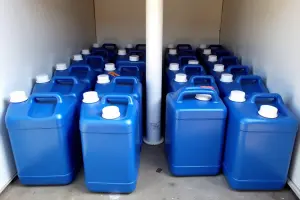
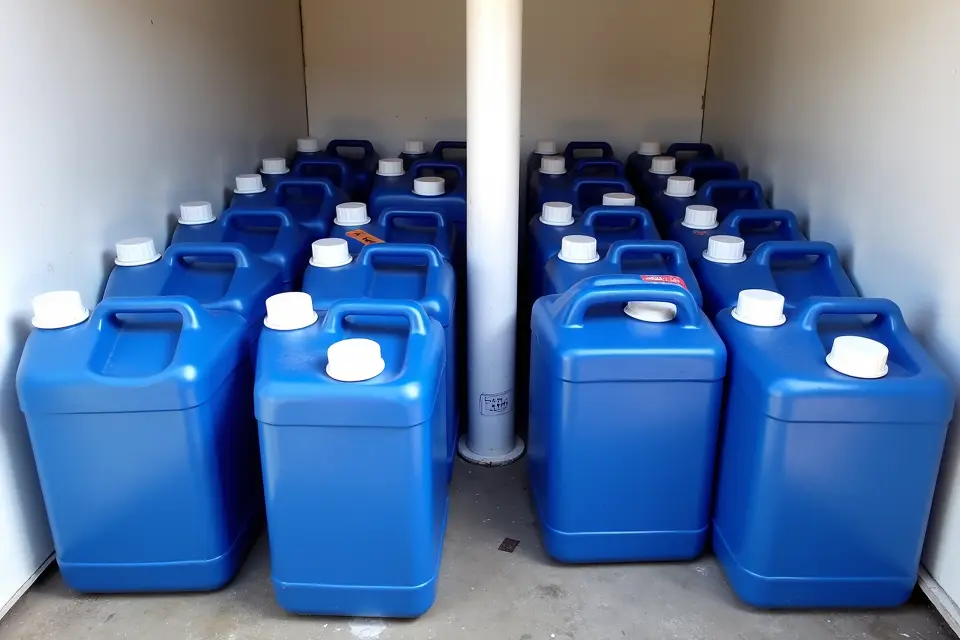
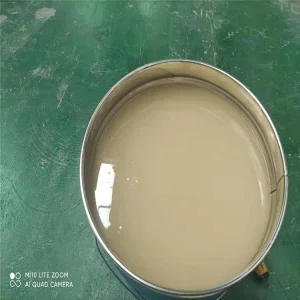
Product Characteristics: Formaldehyde is a colorless liquid, easily polymerized, and readily soluble in water, alcohol, and ether. It is rapidly oxidized to formic acid in air, acting as a strong reducing agent. Its boiling point is -19℃, freezing point -118℃, and relative density to air is 1.067. Commercially, it is supplied in liquid form as formalin, a 37-50% formaldehyde solution with a small amount of methanol added as a polymerization inhibitor. The solution is milky white and has a strong odor. Formalin readily vaporizes, releasing formaldehyde gas. Its boiling point is 96℃, relative density is 0.815/-20℃, and flash point is 55℃.
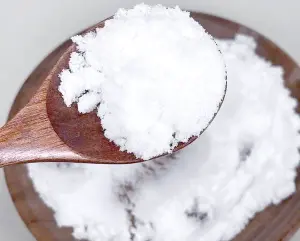
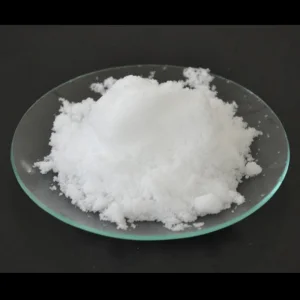
Product Overview: Hexamethylenetetramine, also known as hexamine or HMTA, is a white crystalline powder produced by the condensation reaction of formaldehyde and ammonia. It is a versatile organic chemical intermediate widely used in industrial manufacturing, pharmaceutical synthesis, rubber processing, and analytical chemistry.
• CAS No.: 100-97-0
• Molecular Formula: C₆H₁₂N₄
• Molecular Weight: 140.19 g/mol
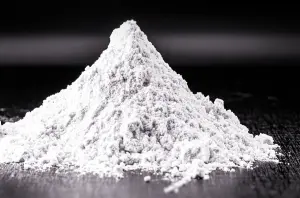
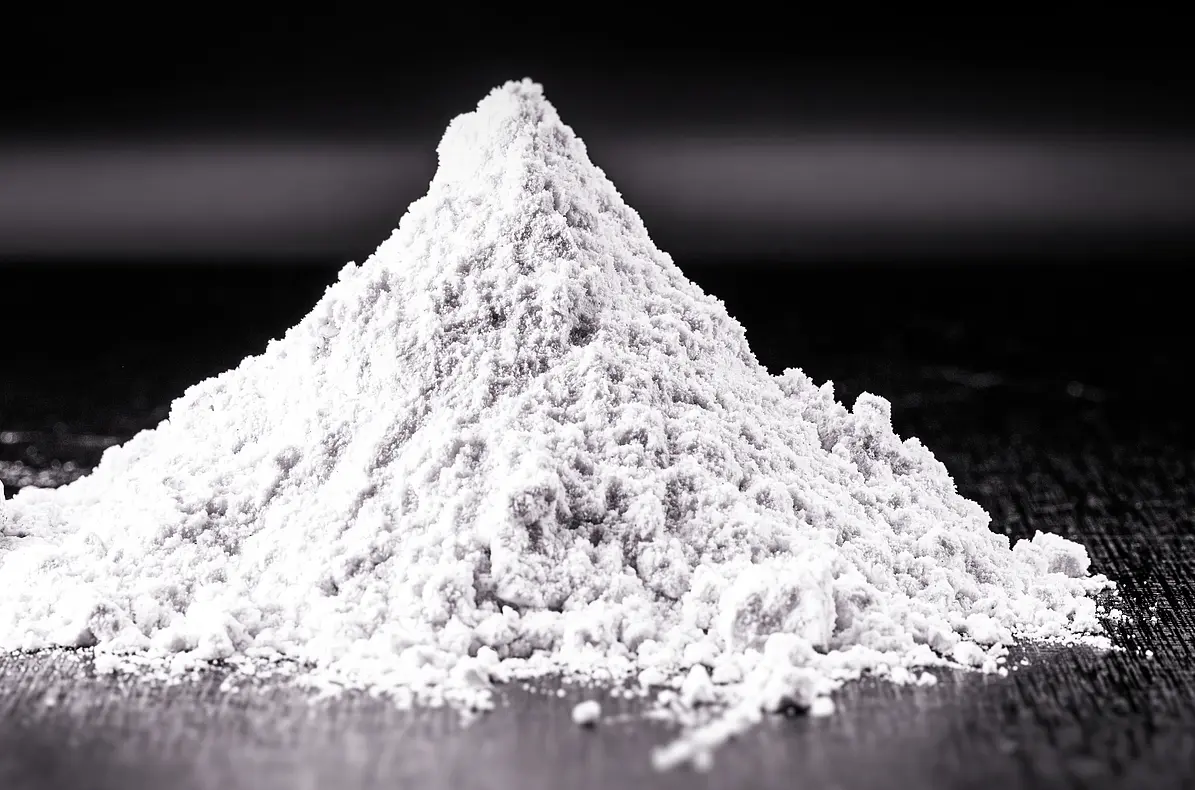
Product Features: A white powdery solid with a flammable odor of formaldehyde. It is a linear polymer of formaldehyde with no fixed melting point.
| Item Specifications | Value (Dry Base) |
|---|---|
| Appearance | White powder/solid |
| Content | ≥ 96% (Or ≥ 92% standard grade) |
| Solubility | ≤ 40 minutes |
| Formic Acid | ≤ 0.05% |
| pH | 5 - 7 |
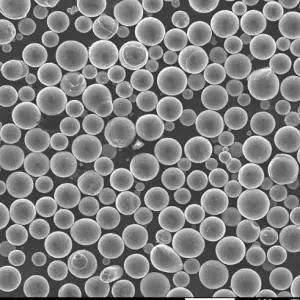
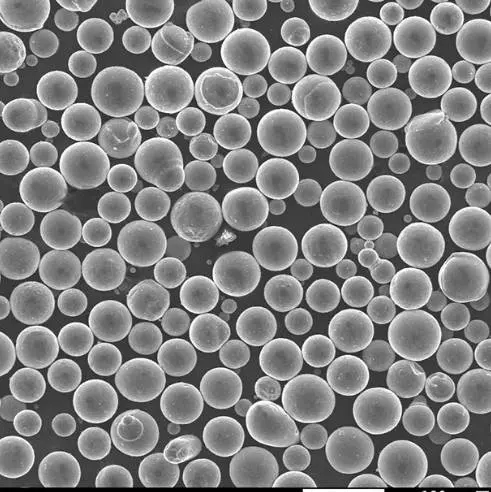
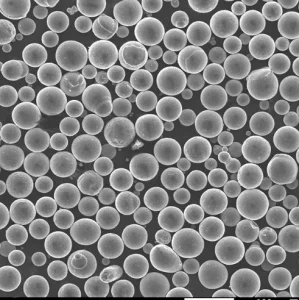
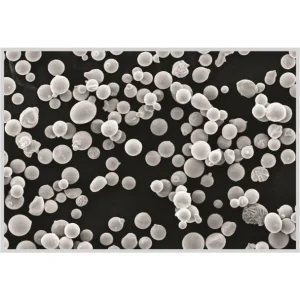
Produced via nitrogen-protected atomization technology, our Al-Mg alloy powders feature high sphericity, smooth surfaces, consistent particle size distributions, low active metal loss, and high chemical stability. These powders are widely used in welding materials, aerospace coatings, chemical catalysts, and pyrotechnics.
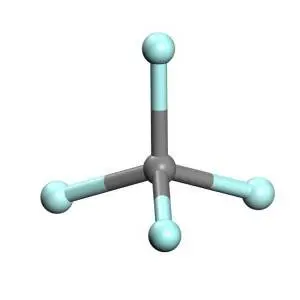
An ultra-high purity halogenated gas widely utilized as a low-temperature plasma etchant in semiconductor device fabrication, silicon oxide etching, and deep submicron VLSI manufacturing circuits.
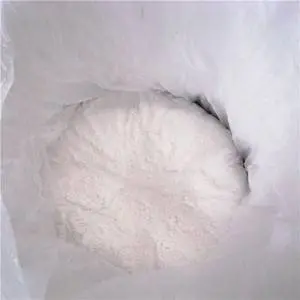
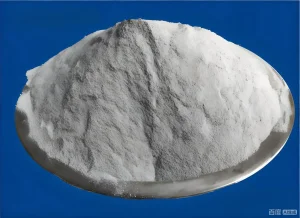
Commonly used as an anti-caking agent, calcium supplement, and pH regulator in food and feed formulations, and as a starting material for manufacturing bioceramic bone scaffolds.
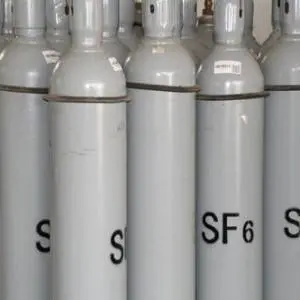
An excellent gaseous dielectric medium offering superior electrical insulation and arc quenching properties. It is widely used in high-voltage circuit breakers, gas-insulated switchgear (GIS), and power distribution substations.
Entering strict regulatory jurisdictions like the European Union (REACH) and North America (FDA/EPA) requires verified compliance documentation. YANXA provides comprehensive testing portfolios to support imports:
We provide complete Certificates of Analysis (COA), gel permeation chromatography (GPC) molecular weight distribution curves, and impurity profiling reports for every batch.
We can custom-formulate specific viscosity profiles or narrow molecular weight distribution fractions (e.g., custom PEG 8000/6000 blends) to meet the performance criteria of your manufacturing process.
We provide SDS documentation in local languages (adhering to GHS standards) and ensure compliance with REACH, TSCA, and relevant pharmacopeia specifications.
Browse our selection of performance polymers, liquid rubbers, and metallic powders engineered to meet high quality standards.
Find quick answers to common questions about our ordering processes, logistics capabilities, and product parameters.
 Yanxatech