Premium grade specialty materials synthesized under rigorous ISO quality systems for international export.
Analyzing supply kinetics, synthesis methodologies, and the macroeconomic dynamics shaping the international PEG sector.
Polyethylene Glycol (PEG), a polyether compound with the general structure H−(O−CH₂−CH₂)n−OH, remains one of the most critical building blocks in modern chemical manufacturing. Valued for its chemical inertness, high water solubility, low toxicity, and precise molecular weight distribution, PEG is synthesised via the ring-opening polymerization of ethylene oxide. The compound is classified according to its average molecular weight—ranging from low molecular weight oligomers like PEG 200, 400, and 600 (highly viscous liquids) to intermediate grades like PEG 1500 and 3350 (waxy solids), up to high molecular weight polymers such as PEG 8000, 10000, and 20000 (hard, crystalline flakes).
The global demand for high-purity PEG has risen substantially, driven by strict standards in the pharmaceutical, cosmetic, automotive, and industrial manufacturing sectors. As direct manufacturing processes improve, China's PEG production footprint has shifted toward high-capacity, vertically integrated facilities. This evolution allows manufacturers to provide cost-effective options, steady supply chains, and customized formulations tailored to international standards.
Traditional PEG synthesis relies on pure ethylene oxide derived from petrochemical cracking. Emerging technologies utilize bio-based ethylene oxide sourced from bio-ethanol dehydration, allowing manufacturers to offer lower-carbon footprints without compromising purity or functional characteristics.
For pharmaceutical applications, PEG must conform strictly to USP, EP, and JP pharmacopoeia standards. Modern manufacturing facilities employ trace gas chromatography and advanced filtration systems to keep diethylene glycol (DEG) and ethylene glycol (EG) impurities below 0.1%.
PEG prices are influenced by global ethylene oxide supply, downstream raw material costs, and logistics. By establishing integrated production in China's chemical zones, factories secure reliable bulk pricing and offer stable international supply options.
A trusted supplier of specialty materials, high-purity chemical intermediates, and advanced industrial powders.
Yanxatech System Industries Limited (hereinafter referred to as YANXA) is one of the growing suppliers in the field of specialty materials in China. Starting from a fledgling small business unit in 2008, YANXA is driven with the passion of developing a broad international market in the area relating to chemical and mechanical industries. Thanks to our team's enduring and persistent work and our business partners' long-lasting support, YANXA has steadily and vigorously grown into one company with excellence in delivering products and services relating to specialty chemicals.
Cooperating with leading manufacturers and the renowned research institutes in the field of specialty chemicals in China, YANXA is capable of supplying:
This deep network and scientific alignment allow YANXA to expand product applications and deliver custom-specifications for high-demand chemical processes globally.
Quality, safety and efficiency prevail over all values in our business. We care what our customers' need on the general product as well as their unique and specific requirements for the newly developed application in a timely manner. We adhere strictly to the technical requirements and make delivery in almost perfect conformity.
Chemical business exposes more safety concerns than any other industrial sector. We undertake all activities involving chemicals in a safe way to ensure safety of human health and the environment. Our Factory has grown into a Premier ISO9001:2008 Certified manufacturer of high quality, cost-effective products.
In-depth specifications and chemical behaviors of our hot products portfolio, demonstrating high-yield formulation standards.
Product Characteristics: Formaldehyde is a colorless liquid, easily polymerized, and readily soluble in water, alcohol, and ether. It is rapidly oxidized to formic acid in air, acting as a strong reducing agent. Its boiling point is -19℃, freezing point -118℃, and relative density to air is 1.067.
Commercially, it is supplied in liquid form as formalin, a 37-50% formaldehyde solution with a small amount of methanol added as a polymerization inhibitor. The solution is milky white and has a foul odor. Formalin readily vaporizes, releasing formaldehyde gas. Its boiling point is 96℃, relative density is 0.815/-20℃, and flash point is 55℃.
Product Overview: Hexamethylenetetramine, also known as hexamine or HMTA, is a white crystalline powder produced by the condensation reaction of formaldehyde and ammonia. It is a versatile organic chemical intermediate widely used in industrial manufacturing, pharmaceutical synthesis, rubber processing, and analytical chemistry.
• CAS No.: 100-97-0
• Molecular Formula: C₆H₁₂N₄
• Molecular Weight: 140.19 g/mol
Product Features: A white powdery solid with a flammable odor of formaldehyde. It is a linear polymer of formaldehyde with no fixed melting point. It is widely used in organic syntheses, synthetic resins, adhesives, and agricultural chemicals.
| Item | Specs (96%) | Specs (92%) |
|---|---|---|
| Content | ≥96% | ≥92% |
| Solubility | ≤40 min | ≤40 min |
| Formic Acid | ≤0.05% | ≤0.05% |
| pH Range | 5 - 7 | 5 - 7 |
How Polyethylene Glycol derivatives and related chemical systems function across critical target sectors.
In modern biopharmaceutics, PEGylation—the covalent attachment of Polyethylene Glycol polymer chains to bioactive molecules—extends circulating half-life, reduces immunogenicity, and controls drug release. PEG is widely used as a tablet binder, ointment base, and suppository excipient.
Serving as humectants, viscosity modifiers, solvent stabilizers, and skin conditioners. The low toxicity and high compatibility with active organic ingredients make PEG derivatives essential in premium skincare formulations.
Used as an intermediate in polyurethane and polyester syntheses. High-molecular-weight PEG acts as an effective anti-static agent, plasticizer, and lubricant in textile and paper sizing processes.
Used in electrolyte solutions and gel polymer electrolytes for solid-state lithium-ion batteries. Higher purity grades ensure optimal ion conductivity, stability, and minimum degradation over charge cycles.
The transition toward next-generation chemical manufacturing, addressing sustainability and precision engineering.
Optimizing catalytic polymerization to achieve extremely narrow polydispersity indexes (PDI < 1.05). This precision minimizes low-molecular-weight contaminants, meeting the demands of high-purity medical and electronic applications.
Integrating bio-based ethylene glycol pathways. Replacing fossil-based chemical feedstocks with agricultural derivatives reduces carbon footprints and aligns with global sustainability initiatives.
Synthesizing novel PEG-PLA, PEG-PCL block copolymers. These materials provide advanced biodegradable solutions for targeted drug delivery systems, environmental packaging, and smart coatings.
Detailed insight regarding our chemical supply chains, pricing structures, shipping standards, and manufacturing protocols.
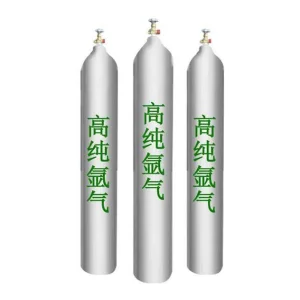
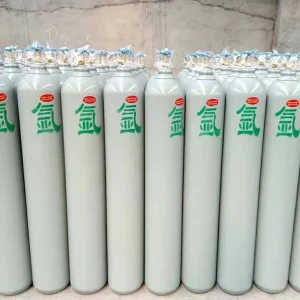
A comprehensive listing of our industrial metal powders, inert gases, and liquid rubber compounds.
 Yanxatech