Explore our premium product range, manufactured to the highest international standards under strict ISO 9001:2008 guidelines.
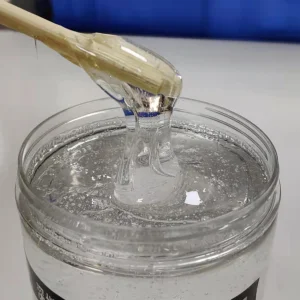
Polyethylene Glycol 4000 (PEG 4000), characterized by the chemical structure H(OCH₂CH₂)nOH, is a non-volatile, hydrophilic polymer that represents the cornerstone of modern material science and process chemistry. Possessing an average molecular weight of approximately 3600 to 4400 g/mol, this waxy white solid or flake material exhibits exceptional solubility in water, alcohols, and aliphatic hydrocarbons, while maintaining complete physiological safety and low toxicity.
As a premium organic intermediate, PEG 4000 functions as an essential binder, lubricant, plasticizer, and release agent across highly demanding sectors. The narrow polydispersity index (PDI) of Chinese-manufactured PEG 4000 ensures predictable melting points, high thermal stability, and reliable viscosity parameters. The domestic chemical infrastructure in China leverages state-of-the-art alkoxylation technology to polymerize ethylene oxide (EO) in controlled, highly automated reactor loops, yielding a product that satisfies the stringent standards of the European Pharmacopoeia (EP), United States Pharmacopeia (USP-NF), and Japanese Pharmacopoeia (JP).
Understanding the chemical boundaries and physical constants of premium grade PEG 4000.
| Analytical Parameter | Specification (Industrial Grade) | Specification (USP/EP Pharma Grade) | Testing Standards / Methods |
|---|---|---|---|
| Appearance | White flakes, powder or waxy solid | White crystalline flakes or powder | Visual Inspection |
| Color (APHA) | ≤ 50 (25% in water) | ≤ 30 (25% in water) | ASTM D1209 / ISO 6271 |
| Hydroxyl Value (mg KOH/g) | 25.0 – 32.0 | 26.0 – 31.0 | Ph. Eur. 2.5.3 / ASTM E222 |
| Molecular Weight (Average) | 3,600 – 4,400 g/mol | 3,700 – 4,300 g/mol | Calculated from Hydroxyl Value |
| pH (5% Aqueous Solution) | 5.0 – 7.0 | 5.5 – 7.0 | USP <791> / pH-metry |
| Kinematic Viscosity (at 98.9°C) | 110 – 170 mm²/s | 110 – 158 mm²/s | ASTM D445 / Ubbelohde Viscometer |
| Water Content (Wt. %) | ≤ 0.5% | ≤ 0.2% | Karl Fischer (USP <921>) |
| Ethylene Oxide & Dioxane Residuals | N/A | EO ≤ 1 ppm, Dioxane ≤ 10 ppm | Gas Chromatography (GC-FID) |
How Polyethylene Glycol 4000 serves as a critical agent in modern manufacturing and high-tech processes.
In pharmaceutical formulations, PEG 4000 acts as a highly effective binder for solid dosage tablets, a plasticizer in film coatings, and a water-soluble base for ointments and suppositories. Its biocompatibility makes it a primary choice for laxative powder formulations (e.g., Macrogol 4000) and an essential component in protein drug conjugation (PEGylation) to extend therapeutic half-life in the bloodstream.
Serving as a moisturizing agent, viscosity controller, and stabilizer, PEG 4000 is widely utilized in toothpaste, shaving creams, soaps, and skincare lotions. It helps maintain the hydration status of cosmetics, preventing drying out during storage, and provides a pleasant, smooth sensory feel on the skin without blocking pores.
In organic preservation, PEG 4000 plays a crucial role in treating waterlogged archaeological wood. By penetrating deeply into the cellular structure of timber, PEG 4000 displaces the water content and solidifies, thereby preventing the wood cells from collapsing, warping, or cracking during the drying process. This process has saved historically significant shipwrecks and ancient artifacts worldwide.
As a temporary organic binder, PEG 4000 is blended with ceramic powders and metal powders prior to compaction. It provides necessary green strength to the molded components, allowing them to retain their shapes before firing. During the subsequent high-temperature sintering phase, the PEG 4000 cleanly decomposes without leaving carbon residue or impurities, ensuring structural integrity in advanced ceramics and powder metallurgy parts.
In the textile industry, PEG 4000 acts as an antistatic lubricant, softener, and sizing agent, reducing friction during spinning and weaving. In the paper industry, it serves as a coating lubricant to improve surface smoothness and printability. In rubber processing, it enhances the dispersion of fillers and speeds up vulcanization cycles, preventing the scorch of rubber compounds.
Used as a water-soluble carrier, dispersion agent, and stabilizer in crop protection formulations, PEG 4000 improves the solubility of active pesticide ingredients. Its slow-release properties and compatibility with plant tissues ensure efficient delivery, minimal environmental runoff, and optimized crop yields in varying soil profiles.
An in-depth look at our advanced production methodologies and the evolution of sustainable PEG materials.
High-purity monoethylene glycol (MEG) or diethylene glycol (DEG) is mixed with potassium hydroxide (KOH) catalyst under vacuum and elevated temperatures to remove traces of water, preparing the reaction initiator.
Ethylene Oxide (EO) gas is systematically introduced into the loop reactor under high pressure (0.2–0.5 MPa) and controlled temperatures (120–140°C), initiating anionic ring-opening polymerization.
Acetic acid or phosphoric acid is introduced to neutralize remaining alkaline residues. Vacuum stripping is employed at elevated temperatures to purge residual volatile organic compounds (VOCs), ethylene oxide, and 1,4-dioxane.
The liquid PEG 4000 polymer is pumped onto a drum flaker where it is cooled below its solidification point, shredded into uniform flakes, and immediately packed into multi-layer moisture-proof paper-plastic bags under dust-free conditions.
The global chemical industry is rapidly shifting toward decarbonization and carbon neutrality. The future of PEG manufacturing lies in the transition from coal/petrochemical-derived ethylene oxide to Bio-based Ethylene Oxide derived from bio-ethanol fermentation. This transition reduces the carbon footprint of PEG 4000 by up to 60%. Furthermore, advanced molecular distillation and catalytic systems are continuously developed to compress the molecular weight distribution curve even further, satisfying the next generation of nanomedicines and high-performance semiconductor cleaning agents.
Why domestic vertical integration and massive logistics network define global cost leadership.
China’s massive petrochemical parks host fully integrated supply chains. The direct pipeline supply of Ethylene Oxide (EO) from upstream ethylene crackers to ethoxylation reactors eliminates bulk transportation hazards, drastically reduces carbon emissions, and insulates factories from international feedstock price spikes.
This geographic clustering allows plants like Yanxatech to secure steady supply agreements with major State-owned enterprises, maintaining manufacturing operations and fulfilling volume commitments even during times of energy instability.
Modern Chinese factories utilize advanced Distributed Control Systems (DCS) to monitor chemical reactions with extreme precision. Automation minimizes labor costs while keeping batch-to-batch variability at near-zero thresholds.
By running continuous production lines with massive annual capacities (often exceeding 50,000 metric tons per facility), Chinese manufacturers lower their fixed overhead costs per ton, passing these direct savings onto international buyers through competitive prices.
Yanxatech System Industries Limited (YANXA) — Delivering Specialty Materials since 2008.
Yanxatech System Industries Limited (hereinafter referred to as YANXA) is one of the growing suppliers in the field of specialty materials in China. Starting from a fledgling small business unit in 2008, YANXA is driven with the passion of developing a broad international market in the areas relating to chemical and mechanical industries. Thanks to our team’s enduring and persistent work and our business partners’ long-lasting support, YANXA has steadily and vigorously grown into a company with excellence in delivering products and services relating to specialty chemicals.
Cooperating with leading manufacturers and renowned research institutes in the field of specialty chemicals in China, YANXA is fully capable of supplying:
Quality, safety, and efficiency prevail over all values in our business. We care about our customers' needs regarding standard catalog products as well as their unique and specific requirements for newly developed applications in a timely manner. We adhere strictly to technical requirements and achieve delivery in almost perfect conformity. The chemical business exposes more safety concerns than other industrial sectors. We undertake all chemical activities safely to ensure the protection of human health and the environment.
Our top-performing chemical materials available for immediate factory shipment.
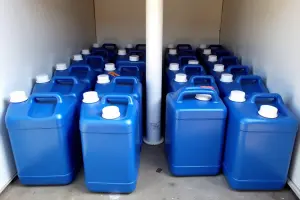
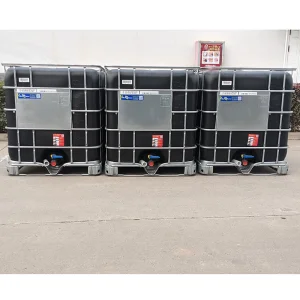
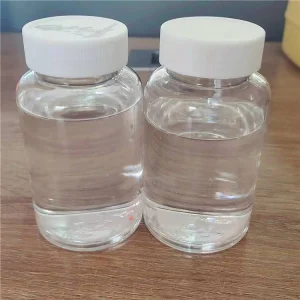
Colorless liquid, easily polymerized, easily soluble in water.
more+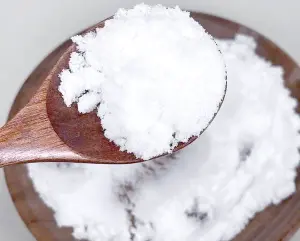
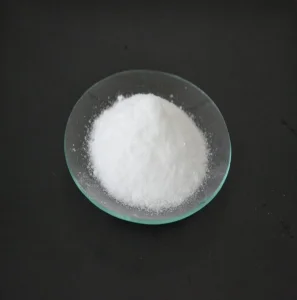
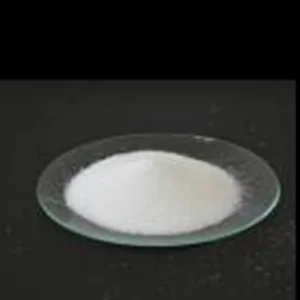
White crystalline powder, CAS 100-97-0. High purity.
more+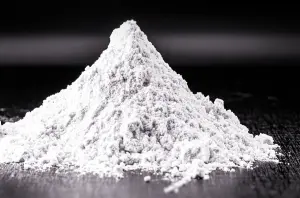
White solid powder. Linear polymer, highly flammable.
more+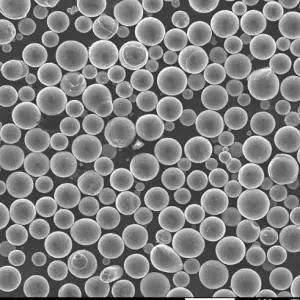
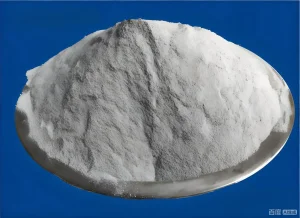
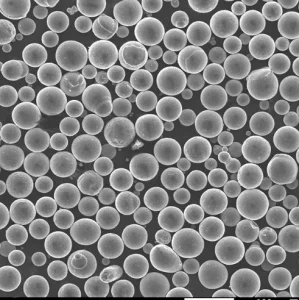
High performance spherical alloy powder for industrial applications.
more+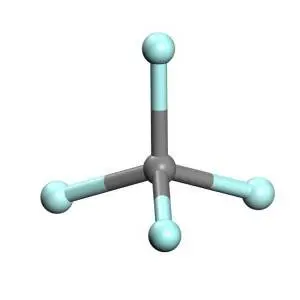
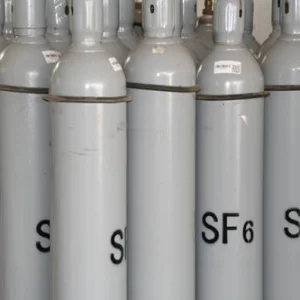
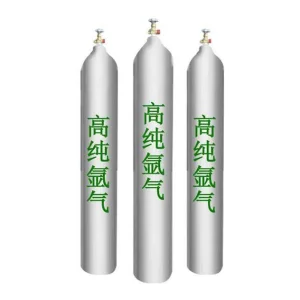
High-purity fluorinated gas, semiconductor processing.
more+
Premium mineral compound, food & pharmaceutical grade.
more+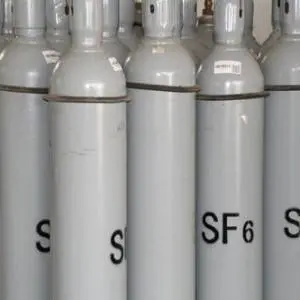
Dielectric gas, high voltage switchgear insulating media.
more+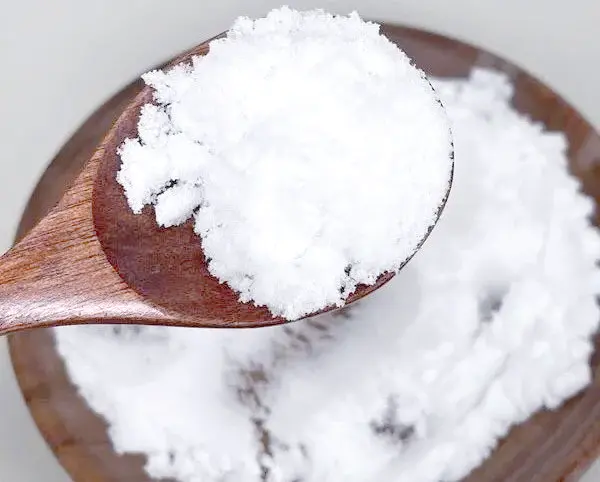
Condensation reaction agent, industrial intermediate.
more+Formaldehyde Detailed Specs: Formaldehyde is a colorless liquid, easily polymerized, and readily soluble in water, alcohol, and ether. It is rapidly oxidized to formic acid in air, acting as a strong reducing agent. Its boiling point is -19℃, freezing point -118℃, and relative density to air is 1.067. Commercially, it is supplied in liquid form as formalin, a 37-50% formaldehyde solution with a small amount of methanol added as a polymerization inhibitor. The solution is milky white and has a pungent odor. Formalin readily vaporizes, releasing formaldehyde gas. Its boiling point is 96℃, relative density is 0.815/-20℃, and flash point is 55℃.
Hexamine Specification Profile: Also known as HMTA, it is a white crystalline powder produced by the condensation reaction of formaldehyde and ammonia. It is a versatile organic chemical intermediate widely used in industrial manufacturing, pharmaceutical synthesis, rubber processing, and analytical chemistry. CAS No.: 100-97-0, Molecular Formula: C₆H₁₂N₄, Molecular Weight: 140.19 g/mol.
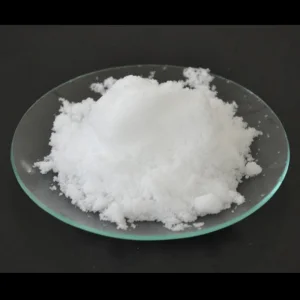
Paraformaldehyde Powder 96% Profile: A white powdery solid with a flammable odor of formaldehyde. It is a linear polymer of formaldehyde with no fixed melting point. Specifications include: Content ≥96%, Solubility ≤40 minutes, Formic acid ≤0.05%, pH 5-7.
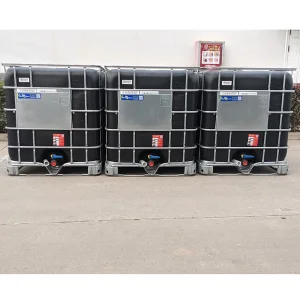
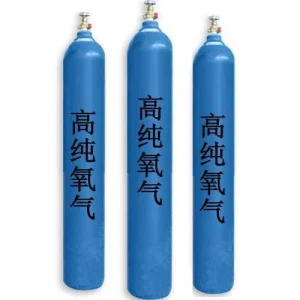
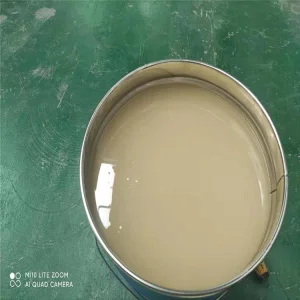
Premium metal powders, liquid rubbers, and chemical intermediates from YANXA.
Analyzing key price drivers, demand centers, and shipping logistics in international chemical markets.
The global demand for Polyethylene Glycol 4000 is primarily driven by APAC's rapidly growing pharmaceutical and construction manufacturing bases, followed by North America and Europe's high-tech consumer product and advanced aerospace sectors. Since 2021, price fluctuations in the ethylene feedstock market, along with ocean freight index shifts, have highlighted the strategic importance of stable supply agreements.
PEG prices correlate directly with crude oil, ethylene gas, and ethylene oxide pricing. Because EO is a dangerous gas to transport, PEG production facilities are situated directly beside ethylene oxide plants. High energy costs in Europe have caused chemical plant scale-backs, directing international buyers to China's competitive and vertically integrated factories.
China’s domestic market pricing is also influenced by coal-to-olefin (CTO) raw material pathways, which act as a key price buffer compared to pure naphtha cracking routes.
Because PEG 4000 is highly hydrophilic, proper storage is critical to prevent moisture absorption and clumping. Standard export packaging consists of 25kg multi-layer Kraft paper-plastic compound bags lined with moisture-proof PE bags. For large-scale industrial consumers, 500kg or 1000kg jumbo super-sacks are available on palletized bases.
As a non-regulated, non-hazardous chemical substance, PEG 4000 does not require complex ADR/RID transport permits, allowing for simple ocean freight container configurations. However, maintaining cool, dry warehouses remains vital to guarantee a shelf life of 24 months.
Essential information for purchasing agents, procurement managers, and technical specialists.
Our prices are subject to change depending on supply and other market factors. We will send you an updated price list after your company contacts us with specific grade requirements (e.g., USP Pharma Grade, Cosmetics Grade, or Industrial Grade) and estimated annual volumes.
Yes, we require all international orders to have an ongoing minimum order quantity. For standard PEG 4000 flaked products, the typical trial MOQ is 1 metric ton (one pallet). If you are looking to purchase smaller quantities for research and development purposes, please consult our sales managers directly to verify sample availability.
Yes, we can provide the majority of standard export and technical documentation, including Certificate of Analysis (COA) / Certificate of Conformance, Material Safety Data Sheets (MSDS / SDS), REACH compliance certification, Certificate of Origin, Bill of Lading, and commercial customs clearance documentation.
For standard product samples, the typical lead time is approximately 7 days. For mass production orders, the standard lead time is 20–30 days after receiving the advance deposit payment. Lead times become effective when: (1) we have received your deposit, and (2) we have your final approval for your customized product specifications. If our proposed schedule does not align with your internal deadlines, please discuss workable solutions with your designated sales manager. In most cases, we can adjust scheduling to fit your needs.
You can make payments directly to our corporate bank account. Our standard terms are 30% deposit in advance by Telegraphic Transfer (T/T), with the remaining 70% balance payable against the copy of the Bill of Lading (B/L) or via an irrevocable Letter of Credit (L/C) at sight.
We warranty our materials and workmanship to conform strictly to the parameters outlined in our official COA. Our primary commitment is your total satisfaction. Whether within warranty periods or not, it is the culture of YANXA to address and resolve all customer technical concerns collaboratively and transparently.
Yes, we prioritize heavy-duty, moisture-barrier packaging to withstand long-distance maritime transport. We also utilize specialized hazardous packaging for dangerous goods and validated cold storage logistics for temperature-sensitive items. Specialist packing requirements or non-standard marking requests may incur an additional charge.
Shipping costs depend on the delivery terms (FOB, CIF, CFR, or DDU) and the transport mode chosen. Express couriers are ideal for fast sample delivery but are more costly. Ocean shipping is the most economical solution for bulk orders. Exact freight rates can be provided only when we receive details regarding order size, weight, port of destination, and shipping term preferences.
The primary difference lies in molecular chain length, which dictates melting point and viscosity. PEG 4000 features a melting point range of 53–59°C and lower viscosity, whereas PEG 6000 and 8000 have higher melting points (up to 63°C) and significantly higher viscosities when dissolved. Selection depends on the binding strength and dissolution rate required for your application.
 Yanxatech