Polyethylene Glycol (PEG) precipitation is a foundational separation technology widely utilized across biochemistry, clinical diagnostics, and downstream biopharmaceutical processing. As a non-ionic, water-soluble polymer, PEG acts primarily through steric exclusion, concentrating macromolecules such as proteins, nucleic acids, and viral particles until they exceed their solubility limits and selectively precipitate from solution. Unlike harsh organic solvents or salts, PEG preserves the tertiary structure and native biological activity of target compounds, making it a preferred reagent for sensitive purification cascades.
Our commitment at Yanxatech System Industries Limited (YANXA) lies in matching raw materials science with precise industrial synthesis. Cooperating with leading manufacturers and renowned chemical research institutions in China, YANXA provides the specialized polymers and high-integrity chemical infrastructure required to scale up these complex biochemical separation methods. From the molecular weight consistency of specialty polyethers to liquid rubbers and protective atmosphere gases, we ensure that modern pharmaceutical and industrial processes run under optimal chemical conditions.
PEG molecules occupy a significant hydrodynamic volume, excluding target proteins from the solvent phase. This shifts the thermodynamic equilibrium toward protein-protein interactions, inducing gentle precipitation without denaturing the molecule.
Lower molecular weight PEGs (e.g., PEG 400 to 1000) require higher concentrations to induce precipitation, whereas high molecular weight variants (PEG 6000, 8000, and 20000) function efficiently at significantly lower weight percentages.
By mimicking the crowded macromolecular environment inside cells, PEG precipitation maintains the enzymatic activity, ligand binding affinity, and overall stability of target proteins and therapeutic antibodies.
The global demand for Polyethylene Glycol derivatives and advanced polyethers is experiencing unprecedented expansion. As biotechnology shifts towards complex macromolecular therapeutics, including monoclonal antibodies (mAbs), mRNA vaccines, and viral vectors (AAV, lentivirus), the need for highly controlled precipitation processes has reached industrial-scale maturity. Beyond clinical diagnostics, PEG chemistry acts as a crucial lever in polyurethane manufacturing, specialty coatings, and advanced electronic production lines.
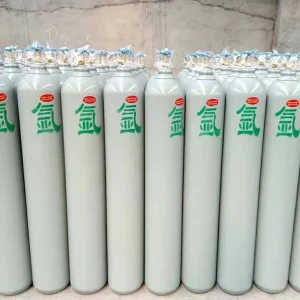
As China emerges as a central hub for chemical intermediate manufacturing, factories are shifting from bulk production to ultra-precise, low-polydispersity polymer chains. This transition is heavily supported by YANXA's capacity to deliver state-of-the-art chemical reagents, specialized polyethers, and ultra-high purity inert gases (such as 6N Xenon and Argon) that protect polymer integrity during large-scale synthesis. Industrial users demand chemical stability, minimum volatile organic compounds (VOCs), and stringent compliance with international pharma standards.
| PEG Designation / Specialty Polyether | Average Molecular Weight Range | Primary Industrial / Biotech Application | Critical Purity Metric |
|---|---|---|---|
| Low Molecular Weight Polyether | 200 – 1,000 Da | Chemical intermediates, plasticizers, polyurethane systems | Moisture content ≤ 0.05% |
| Medium Molecular Weight PET | 1,000 – 6,000 Da | Protein concentration, cellular fusion, diagnostics | Ash content ≤ 0.1% |
| High Molecular Weight PEG | 6,000 – 20,000 Da | Viral vector precipitation, antibody crystallization, drug formulation | PDI ≤ 1.05; Heavy metals ≤ 5 ppm |
Traditional PEG synthesis is prone to generating broad molecular weight distributions, which compromises the reproducibility of delicate scientific assays. The industrial roadmap for polymer manufacturing relies heavily on continuous loop ethoxylation reactors, advanced catalytic systems, and clean purification pathways to eliminate residual toxic byproducts such as 1,4-dioxane and ethylene oxide. By partnering with leading research institutes in China, YANXA ensures that specialty polymers conform to the dynamic regulatory environments of Europe and North America, supporting sustainable chemical supply lines.
Specialty chemicals do not exist in isolation. A high-efficiency purification plant utilizing PEG precipitation also relies on structural elastomers, high-purity environment control gases, and precise metallic additives to construct and preserve processing hardware. Yanxatech System Industries Limited delivers a fully integrated raw material portfolio to meet these multi-faceted challenges.
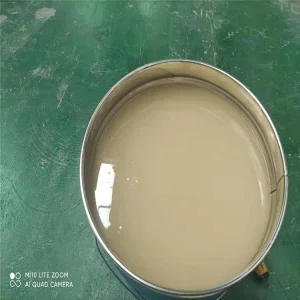
For chemical plant sealing, dampening, and high-performance adhesives, YANXA supplies top-tier liquid rubbers including carboxyl-terminated nitrile butadiene rubber (CTBN), amino-terminated nitrile butadiene rubber (ATBN), hydroxyl-terminated butyronitrile rubber (HTBN), and epoxidized polybutadiene (EPB). These elastomers offer superior chemical resistance, maintaining seal integrity in contact with high-concentration polyethers and solvents.
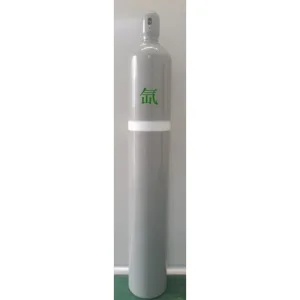
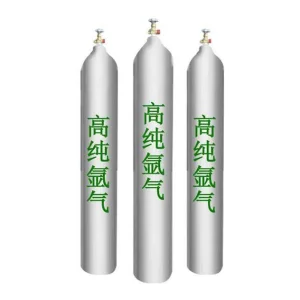
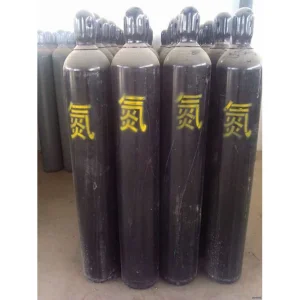
Chemical reactions and polymer storage systems require absolute exclusion of oxygen and moisture to prevent oxidation and polymer degradation. We provide ultra-pure gases (Xe: 5N, 5.5N, 6N; Ne: 5N, 5.5N, 6N; and Electronic-grade Argon) which act as protective environments for synthesis, packaging, and high-tech semiconductor lithography applications.
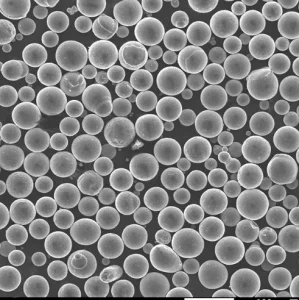
From atomized spherical aluminum magnesium alloy powder to zinc flake powder, YANXA serves the specialized metallurgy, structural coating, and energy defense sectors. These materials undergo strict testing protocols to guarantee consistent particle morphology and density distributions.
Consistent with our transparent supply capability, below are technical details regarding our major industrial compounds sourced through our network of ISO9001-certified production units in China:
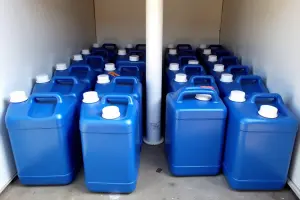
A colorless liquid, easily polymerized, readily soluble in water, alcohol, and ether. Supplied as formalin (37-50% solution with methanol as inhibitor to prevent spontaneous polymerization).
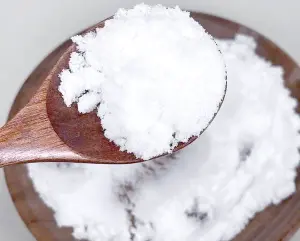
CAS No. 100-97-0. White crystalline powder derived from formaldehyde and ammonia. Versatile organic intermediate for industrial resin manufacturing and pharmaceutical synthesis.
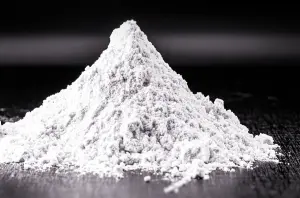
A white powdery solid polymer of formaldehyde. Active content ≥96% or ≥92%. Solubility ≤40 minutes. Formic acid ≤0.05%, pH range 5-7.
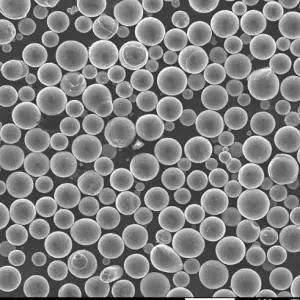
Precision-manufactured metallic powder, optimized for pyrotechnic, aerospace structural, and advanced defense coating systems.
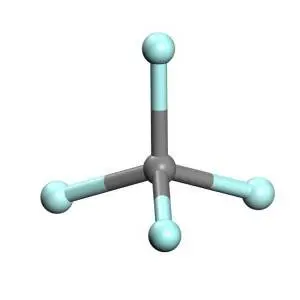
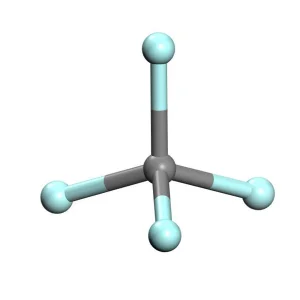
A critical etching gas for semiconductor chip microfabrication, offering exceptional purity and uniform distribution properties.
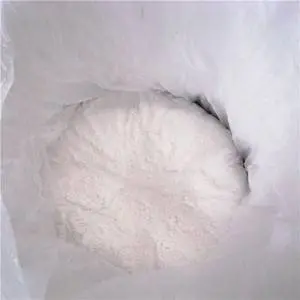
Widely used in food, pharmaceutical formulations, and industrial ceramic applications as an effective anti-caking and calcium enrichment agent.
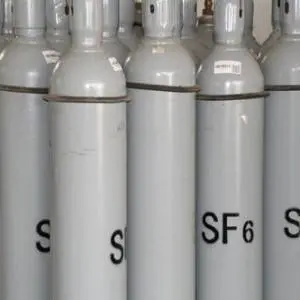
Gaseous dielectric medium with high insulating and arc-quenching capability, ideal for electrical power grids and gas-insulated switchgear.
To successfully deploy PEG precipitation in industrial biological purification, process engineers must monitor multiple chemical variables. Even minor changes in salt concentrations, pH levels, and operational temperatures can dramatically shift the precipitation profile of proteins and nucleic acids.
While PEG precipitation operates through steric exclusion rather than ionic competition, the presence of background salts (e.g., sodium chloride or ammonium sulfate) acts synergistically. Moderate salt concentrations screen electrostatic charges on protein surfaces, allowing the excluded volume effect of PEG to bring proteins together more easily. However, excessive salt concentrations may cause rapid aggregation, trapping unwanted impurities within the precipitate.
The solubility of PEG changes with temperature, which in turn affects macromolecular precipitation. For most bioprocesses, PEG precipitation is executed at controlled cold room temperatures (4°C to 8°C) to prevent thermal degradation of target enzymes. In contrast, certain industrial wastewater treatments utilize ambient temperatures where PEG acts as a flocculating agent to precipitate organic loads.
The maximum precipitation efficiency of proteins via PEG is generally achieved when the solution pH is near the protein's isoelectric point (pI). At this pH, the net charge of the target molecule is zero, minimizing electrostatic repulsion and enabling steric exclusion forces to aggregate the proteins effectively.
Deep regulatory, technical, and supply chain insights curated by YANXA’s technical support directors.
 Yanxatech