Explore our premium product portfolio designed for specialty industrial chemical applications and scientific formulations.
Authored by: YANXA Technical Intelligence & Fine Chemicals Division | Published: December 2024
4-Methylphenylhydrazine hydrochloride (CAS No: 637-60-5) is a vital hydrazine derivative that is widely integrated into modern organic chemical synthesis pipelines. Structurally characterized as a substituted hydrazine salt, its molecular formula is C7H10N2·HCl, with a molecular weight of 158.63 g/mol. Serving as a crucial building block in the synthesis of heterocyclic systems, particularly indoles and pyrazoles, this chemical intermediate exhibits distinct physical properties that dictate its handling and application profiles.
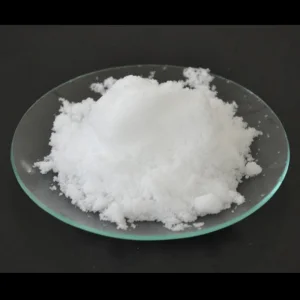
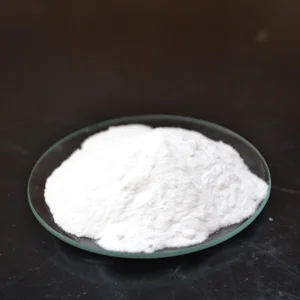
Under standard ambient conditions, high-purity 4-Methylphenylhydrazine hydrochloride presents as a white to off-white, light pinkish, or beige crystalline powder. The introduction of the hydrochloric acid salt group not only enhances the thermal stability of the hydrazine compound but also drastically increases its solubility profiles in polar solvents, such as water, methanol, and ethanol, compared to its free base counterpart. The industrial-grade material requires precise synthesis controls to minimize impurity margins, which directly affect crystallization rates and API (Active Pharmaceutical Ingredient) yield ratios downstream.
| Technical Parameter | Standard Specification Limit | Testing Methodology |
|---|---|---|
| Appearance | White to light beige/pink crystalline powder | Visual inspection |
| Assay (HPLC purity) | ≥ 98.0% - 99.5% | High Performance Liquid Chromatography |
| Melting Point | 240 °C to 244 °C (decomposition) | Melting point apparatus |
| Moisture Content | ≤ 0.5% | Karl Fischer titration |
| Residue on Ignition | ≤ 0.1% | Gravimetric determination |
| Storage Requirements | Store under inert gas, dry atmosphere, temperature 2-8°C | Environmental monitoring |
Historically, the preparation of 4-Methylphenylhydrazine hydrochloride relies on the diazotization of p-toluidine in an acidic medium using sodium nitrite, followed by reduction of the resulting diazonium salt intermediate. Traditional reduction methodologies utilize tin(II) chloride or sodium sulfite as reducing agents. While these methods yield high-purity products, they pose significant chemical waste disposal challenges and environmental burdens, especially when handling large-scale industrial runs.
Modern synthetic research directed by green chemistry mandates has shifted toward catalytic hydrogenation or electrochemical reduction pathways. Using noble metal or non-precious transition metal catalysts under mild hydrogen pressures significantly reduces heavy metal sludge and excessive inorganic salt byproducts. This technology roadmap focuses heavily on improving selectivity, preventing over-reduction to p-toluidine, and refining recovery procedures for the HCl salt matrix.
The global demand for 4-Methylphenylhydrazine hydrochloride is heavily influenced by the expansion of the pharmaceutical and agrochemical manufacturing sectors. Countries in the Asia-Pacific region, primarily China and India, host the largest production hubs for fine chemical precursors and APIs. These hubs process thousands of metric tons annually to supply global demand across Europe and North America.
A notable industrial application includes its role as a key intermediate in synthesizing Celecoxib (a selective COX-2 inhibitor NSAID) and various agrochemical crop protectors. As regulatory bodies like REACH in Europe and the EPA in the United States enforce tighter controls over impurity thresholds and chemical exposure limits, manufacturers must adapt. This adaptation involves providing comprehensive chemical analysis certificates (COA) and strict GHS-compliant Safety Data Sheets (SDS) to guarantee seamless import and export logistics.
The chemical structure of 4-Methylphenylhydrazine hydrochloride makes it an excellent nitrogen donor. In the pharmaceutical industry, its primary usage centers on the Fischer Indole Synthesis. By reacting this hydrazine intermediate with various ketones under acidic catalysts, synthetic chemists can construct the indole core structure. This molecular architecture is found in numerous active pharmaceutical substances targeting central nervous system disorders and oncology pathways.
In local agricultural regions, the compound is processed into crop protection chemicals like pyrazole-based herbicides and fungicides. These products help prevent fungal disease vectors in staple crops. The high purity of YANXA's material ensures that the resulting agrochemical compounds show negligible phytotoxicity, maximizing crop safety and chemical efficiency.
Yanxatech System Industries Limited (hereinafter referred to as YANXA) is one of the growing suppliers in the field of specialty materials in China. Starting from a fledgling small business unit in 2008, YANXA is driven by the passion to develop a broad international market in the areas relating to the chemical and mechanical industries. Thanks to our team’s enduring and persistent work and our business partners’ long-lasting support, YANXA has steadily and vigorously grown into a company with excellence in delivering products and services relating to specialty chemicals.
Cooperating with leading manufacturers and renowned research institutes in the field of specialty chemicals in China, YANXA is highly capable of supplying specialized liquid rubber products, industrial-grade nitrates, and atomized metal and metal alloyed powders.
Quality, safety, and efficiency prevail over all other values in our business operations. We care about our customers’ needs for general chemical products as well as their unique and specific requirements for newly developed applications in a timely manner. We adhere strictly to technical requirements and make deliveries in almost perfect conformity. Because the chemical business exposes more safety concerns than other industrial sectors, we undertake all chemical activities in a safe, controlled manner to protect human health and preserve the local environment.
Our manufacturing partners have grown into premier ISO 9001:2008 certified sites, producing highly cost-effective, high-quality products. We always prioritize quality at the start of our process and strictly supervise product quality at every step of synthesis, packaging, and shipping.
As an established industrial distributor, YANXA provides a diverse array of specialty chemical materials alongside our core hydrazine compounds. Below is the technical breakdown of our primary chemical portfolio:
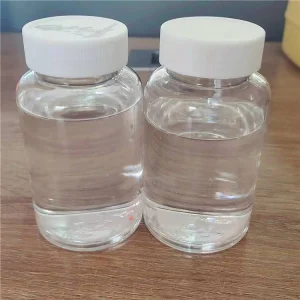
Product Characteristics: Formaldehyde is a colorless liquid, easily polymerized, and readily soluble in water, alcohol, and ether. It is rapidly oxidized to formic acid in air, acting as a strong reducing agent. Its boiling point is -19℃, freezing point -118℃, and relative density to air is 1.067. Commercially, it is supplied in liquid form as formalin, a 37-50% formaldehyde solution with a small amount of methanol added as a polymerization inhibitor. The solution is milky white and has a foul odor. Formalin readily vaporizes, releasing formaldehyde gas. Its boiling point is 96℃, relative density is 0.815/-20℃, and flash point is 55℃.
Product Overview: Hexamethylenetetramine, also known as hexamine or HMTA, is a white crystalline powder produced by the condensation reaction of formaldehyde and ammonia. It is a versatile organic chemical intermediate widely used in industrial manufacturing, pharmaceutical synthesis, rubber processing, and analytical chemistry.
Product Features: A white powdery solid with a flammable odor of formaldehyde. It is a linear polymer of formaldehyde with no fixed melting point.
| Item Specifications | Specification Grade A | Specification Grade B |
|---|---|---|
| Appearance | White powder/solid | White powder/solid |
| Content | ≥ 96% | ≥ 92% |
| Solubility | ≤ 40 minutes | ≤ 40 minutes |
| Formic Acid | ≤ 0.05% | ≤ 0.05% |
| pH Value | 5 - 7 | 5 - 7 |
Browse through technical queries related to 4-Methylphenylhydrazine Hydrochloride and YANXA's general supply chain processes.
Browse our supplementary inventory consisting of high-purity chemical gases, metal powders, and advanced industrial intermediates.
 Yanxatech