Direct sourcing channels for high-performance chemical components, liquid rubbers, nitrates, and specialty metallic solutions.
Understanding the chemistry, metallic bonding performance, and long-term durability metrics of bronze-tinted thermosetting powder coats in harsh environments.
Modern industrial bronze powder coats are engineered using thermosetting polymer systems including polyester-TGIC, TGIC-free formulations, and high-durability polyurethane or fluoropolymer bases. These ensure optimal flow-out, UV stability, and substrate adhesion for long-life structural protection.
Unbonded metallic mixtures frequently suffer from pigment segregation during reclamation. Through state-of-the-art thermal bonding, factory lines weld bronze metallic flakes directly onto the carrier resin. This process guarantees color consistency across production batches and prevents application defects.
Unlike liquid coatings, modern industrial powder coatings emit virtually zero VOCs. Manufacturers strictly adhere to REACH and RoHS regulations, removing heavy metals like lead and hexavalent chromium, thus making them safe for consumer, architectural, and aerospace applications.
A scientific evaluation of base chemistries applied in bronze metallic finishing systems.
| Resin Type | UV Resistance | Corrosion Protection | Impact Strength | Best Application Environment |
|---|---|---|---|---|
| Polyester (TGIC) | Excellent | Good | Very High | Exterior architectural facades, outdoor furniture |
| Polyester (TGIC-Free) | Excellent | Good | High | Strict EU-regulated industrial finishes |
| Epoxy-Polyester Hybrid | Moderate (Chalks in UV) | Excellent | Excellent | Indoor equipment, home appliances, electrical boxes |
| Super Durable Polyester | Outstanding (AAMA 2604/2605) | Excellent | High | High-rise architectural structures, extreme climates |
| Polyurethane | Excellent | Very High | High | Chemical processing plants, automotive under-hood parts |
Optimizing total cost of ownership (TCO) through strategic bulk ordering, quality benchmarks, and factory audit verification.
Purchasing wholesale bronze powder coat directly from manufacturers yields major supply chain advantages. Our partnering manufacturing networks operate automated electrostatic powder production lines that ensure particle size distribution is kept between 30 and 45 microns. This tight control reduces overspray, maximizes transfer efficiency, and saves up to 15% in material consumption compared to sub-standard suppliers.
Industrial pricing schedules for bronze powder coat are structured around several parameters:
Learn about YANXA's trajectory, operational values, and global industrial chemicals supply capabilities.
Yanxatech System Industries Limited (hereinafter referred to as YANXA) is one of the growing suppliers in the field of specialty materials in China. Starting from a fledgling small business unit in 2008, YANXA is driven by a passion for developing a broad international market in the areas relating to chemical and mechanical industries. Thanks to our team's enduring, persistent work and our business partners' long-lasting support, YANXA has steadily and vigorously grown into an organization of excellence in delivering products and services relating to specialty chemicals.
Quality, safety, and efficiency prevail over all other values in our business. We address what our customers need regarding general products as well as unique, specific requirements for newly developed applications in a timely manner. We adhere strictly to technical specifications and execute deliveries in near-perfect conformity. The chemical business involves more safety concerns than most other industrial sectors. We undertake all chemical activities in a safe manner to safeguard human health and the environment.
Cooperating with leading manufacturers and renowned research institutes in the field of specialty chemicals in China, YANXA is highly capable of supplying:
Customized coatings designed for specific industrial end-uses demanding extreme chemical and mechanical properties.
Architectural aluminum extrusions demand robust defense against environmental stressors. Super-durable bonded bronze polyester systems comply with AAMA 2604/2605 guidelines. They maintain color fastness and chalking resistance even under intense UV radiation.
Designed for under-hood parts, wheel structures, and structural frames. Formulations prioritize excellent corrosion inhibition, stone-chip resistance, and chemical resilience against engine fluids and road salts.
Heavy machinery, electrical control cabinets, and structural assemblies need robust, impact-resistant finishes. Epoxy-polyester hybrids deliver excellent hardness and scratch resistance while remaining cost-effective.
Emerging formulation trends driving efficiency and sustainability in the global powder coatings market.
Traditional thermosetting powder coatings cure at 180°C to 200°C for 10-15 minutes. Emerging low-cure formulations decrease the required temperature to 130°C - 150°C. This allows powder coatings to be applied to heat-sensitive substrates like MDF (Medium Density Fiberboard) and plastics while reducing energy consumption by up to 30%.
To reduce dependence on petrochemical raw materials, R&D efforts focus on introducing plant-derived resins. Natural castor oil, soybean oil, and organic acids are integrated into polyester backbones, keeping the material footprint green without compromising performance.
Developing ultra-fine powders that form uniform coatings at thicknesses of 30-40 microns (rather than the typical 60-80 microns). This reduces the cost-per-square-meter of coating and expands powder coating application into fields historically dominated by wet paints.
Explore specialized materials and chemicals with comprehensive specifications and short descriptions.
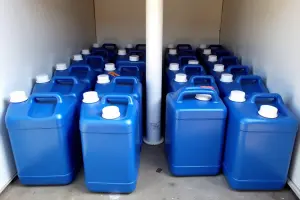
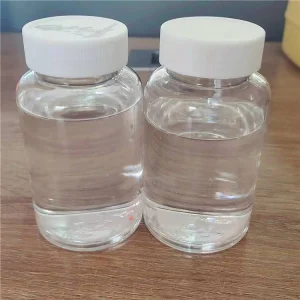
Short Description: Formaldehyde is a colorless liquid, easily polymerized, and readily soluble in water, alcohol, and ether. Rapidly oxidized to formic acid in air. Commercially supplied as formalin (37-50% solution with methanol as inhibitor). Boiling point: 96°C (formalin).
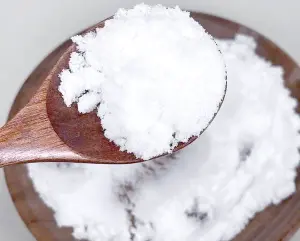
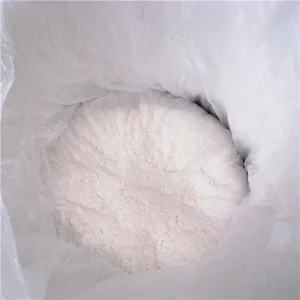
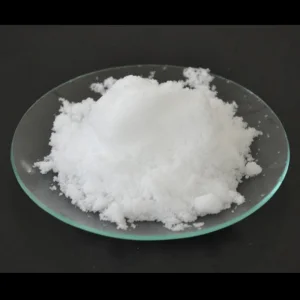
Short Description: White crystalline powder produced by the condensation of formaldehyde and ammonia. A versatile organic intermediate for resin manufacturing, rubber processing, and pharmaceuticals. CAS No: 100-97-0.
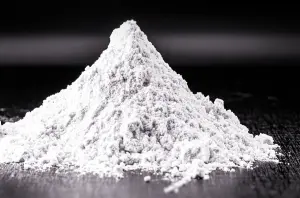
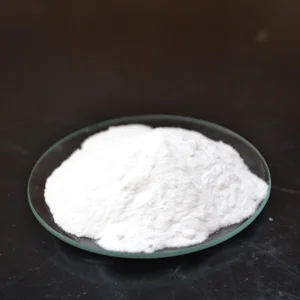
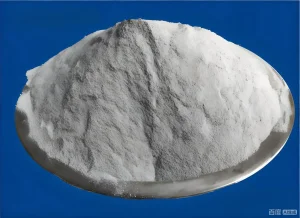
Short Description: A white powdery solid with a flammable odor of formaldehyde. Linear polymer of formaldehyde. Specifications: Content ≥96%, pH 5-7, solubility ≤40 minutes.
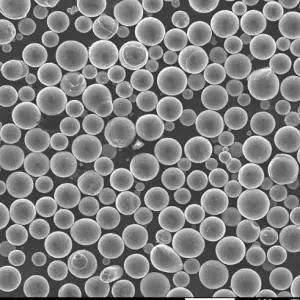
Short Description: High-performance alloyed powder featuring uniform spherical particle morphology. Excellent choice for energetic formulations, pyrotechnics, and aerospace components.
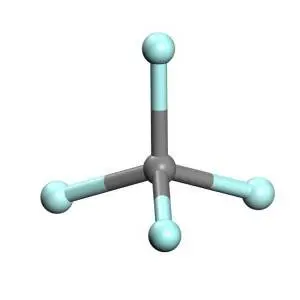
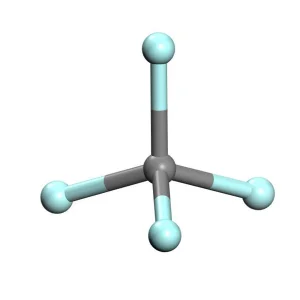
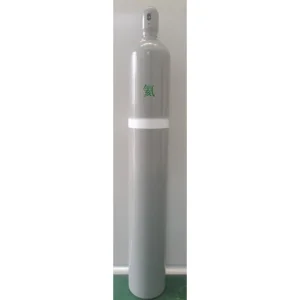
Short Description: High-purity semiconductor etching gas and low-temperature refrigerant. Exceptionally stable organofluorine compound with strict quality standards.
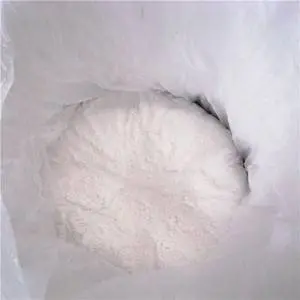
Short Description: Excellent flow agent, food additive, and chemical intermediate. Processed under strict parameters to ensure consistency and compliance.
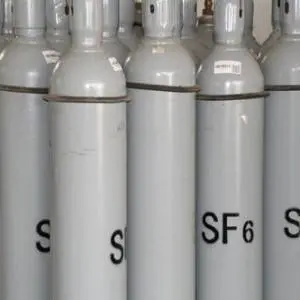
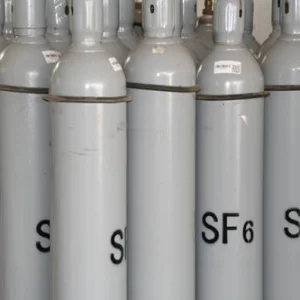
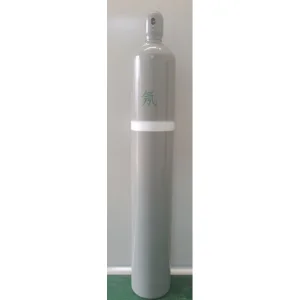
Short Description: High-dielectric gas widely utilized in electrical power transmission systems, high-voltage circuit breakers, and electronic processing.
Professional insights covering global sourcing, testing, payments, lead times, and formulation details.
Full catalog offerings of nitrates, specialty liquid rubber variants, and chemical gasses supplied globally.
 Yanxatech