In modern heavy industrial manufacturing, copper powder stands out as a critical material vector driving breakthroughs in metallurgy, additive manufacturing, electrical component fabrication, and chemical catalysis. Valued for its excellent thermal conductivities, high electrical properties, and anti-corrosive characteristics, copper powder is a staple in both mechanical structures and advanced electronics.
Selecting high-grade copper powders requires looking beyond pure weight metrics. Procuring entities must evaluate morphological characteristics (such as dendritic, spherical, or irregular structures), particle size distribution (PSD), oxygen contamination thresholds, and overall chemical purity. As a supplier of custom metallurgical materials, YANXA (Yanxatech System Industries Limited) partners with global manufacturers to deliver customized copper powders and advanced metal alloyed solutions designed to withstand challenging environments.
The global copper powder market is growing rapidly, driven by the expansion of the Electric Vehicle (EV) industry, the shift toward green energy, and the rise of precision additive manufacturing (3D printing). Industrial regions in North America, Western Europe, and the Asia-Pacific are witnessing high demand for specialized powder variants.
The automotive transition to EVs requires high volumes of copper powders for battery busbars, terminal connections, and heat dissipation materials. The quality of the powder directly impacts charging efficiency and thermal stability.
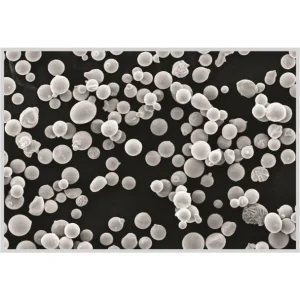
Modern aerospace and medical devices rely on Selective Laser Sintering (SLS) and Electron Beam Melting (EBM) of spherical copper powders. This allows engineers to build complex geometries that are impossible to machine using traditional methods.
Traditional sintered components, self-lubricating bronze bearings, and friction clutches depend on irregular and dendritic copper powders to achieve high structural density and optimal mechanical interlocking.
Enterprise buyers face several challenges when sourcing industrial copper powders. Achieving consistent mechanical properties in the final product requires selecting the proper manufacturing method and specification range. The table below outlines key commercial grades and their typical applications.
| Powder Type | Manufacturing Method | Purity Min (%) | Key Morphology | Primary Industrial Target |
|---|---|---|---|---|
| Electrolytic Copper Powder | Electrodeposition | 99.95% | Dendritic / Branched | Carbon brushes, friction friction disks, sintered bronze bushes. |
| Atomized Copper Powder | Water/Gas Atomization | 99.70% - 99.90% | Spherical / Irregular | Structural PM parts, chemical catalysts, thermal spraying. |
| Ultra-Fine Nano Copper | Chemical Reduction | 99.99% | Sub-micron Spherical | Conductive inks, multi-layer ceramic capacitors (MLCC), electronics. |
| Copper Alloy Powders | Alloy Atomization | Varies (Cu-Sn, Cu-Zn) | Spherical / Near-spherical | High-strength structural parts, filter elements, brazing pastes. |
Understanding these distinctions helps procurement teams optimize material costs. For example, while gas-atomized spherical powders are necessary for laser-based 3D printing due to their flowability, less expensive water-atomized or electrolytic alternatives are often better suited for traditional press-and-sinter applications.
Our materials are designed to address complex engineering challenges across several major industries:
As electronic devices grow more compact, managing heat dissipation becomes increasingly critical. Ultra-pure copper powders enable the manufacturing of high-conductivity vapor chambers, heat pipes, and micro-channel heat exchangers with low thermal resistance.
Aerospace components require high reliability under cyclic thermal loads. Spherical copper-chromium-zirconium (CuCrZr) and similar alloy powders are used to print rocket engine combustion chambers and structural components with high thermal and mechanical properties.
High surface-area copper powders serve as catalysts in organic chemical synthesis, including the Rochow reaction for producing silicones. Precise particle size distribution ensures stable reaction kinetics and high yields.
The copper powder industry is shifting toward greener manufacturing practices, finer particle size control, and customized alloy compositions. Key technological developments include:
Producers are adopting green hydrogen reduction systems to replace fossil-fuel-based gases in the oxide reduction process. This reduces the carbon footprint of metallurgical production.
As microelectronics continue to shrink, the demand for sub-micron copper powders (100nm to 800nm) is growing. These materials are used in high-resolution conductive printing and next-generation electronic packaging.
Oxidation is a common challenge when storing and handling copper powders. Advanced molecular-level organic coating techniques help protect the powder from oxidation without degrading its electrical properties during sintering.
YANXA is working closely with research partners to scale production of highly spherical, low-oxygen copper powders. These materials help address the flowability and reflectivity challenges traditionally associated with copper in laser powder bed fusion (L-PBF) systems.
Yanxatech System Industries Limited (hereinafter referred to as YANXA) is a growing supplier of specialty materials in China. Starting as a small business unit in 2008, YANXA has expanded into international markets, supplying materials for chemical and mechanical applications. Driven by a dedicated team and the support of our business partners, YANXA provides high-performance products and reliable logistics services.
In cooperation with leading manufacturers and research institutions in China, YANXA is capable of supplying:
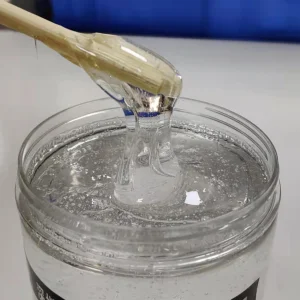
1) Liquid rubber;
2) Nitrate;
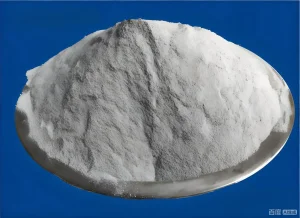
3) Metal powder & metal alloyed powders.
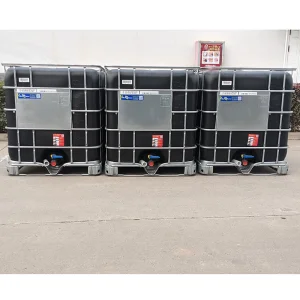
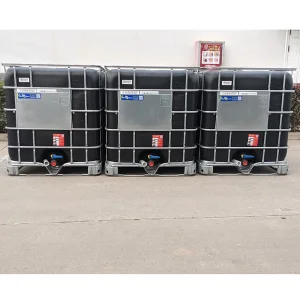
Business Philosophy: Quality, safety, and efficiency guide all of our operations. We work to understand our customers' requirements, providing standard materials as well as custom formulations for newly developed applications. We adhere to tight technical tolerances to ensure consistent product delivery. Recognizing that chemical logistics present unique safety concerns, we carry out all transportation, packaging, and handling operations under strict safety guidelines to protect both human health and the environment.
In addition to copper and alloy powders, YANXA provides a range of specialty chemical compounds, organic intermediates, and industrial powders. Below is a detailed technical overview of these core products:
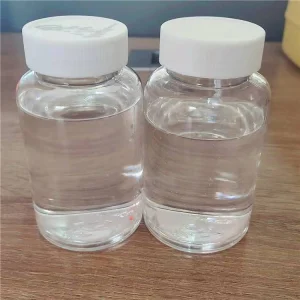
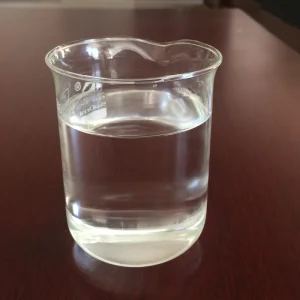
Product Characteristics: Formaldehyde is a colorless liquid that polymerizes easily and is soluble in water, alcohol, and ether. It oxidizes to formic acid in air and acts as a strong reducing agent. Its boiling point is -19°C, freezing point is -118°C, and relative density to air is 1.067.
Commercially, it is supplied as formalin, a 37-50% formaldehyde solution containing a small amount of methanol as a polymerization inhibitor. The solution is milky white with a strong odor, and it vaporizes readily to release formaldehyde gas (boiling point 96°C, relative density 0.815/-20°C, flash point 55°C).
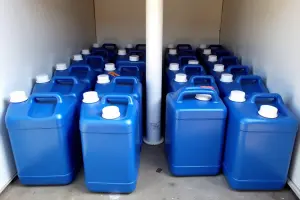
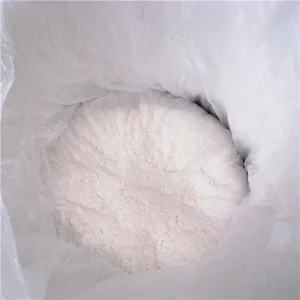
Product Overview: Hexamethylenetetramine (also known as hexamine or HMTA) is a white crystalline powder produced by the condensation reaction of formaldehyde and ammonia. It is a versatile organic chemical intermediate used in industrial manufacturing, pharmaceutical synthesis, rubber processing, and analytical chemistry.
• CAS No.: 100-97-0
• Molecular Formula: C₆H₁₂N₄
• Molecular Weight: 140.19 g/mol
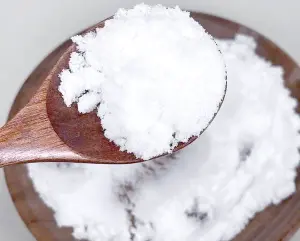
Product Features: A white powdery solid with a characteristic formaldehyde odor. It is a linear polymer of formaldehyde with no fixed melting point.
| Item | Spec 1 | Spec 2 |
|---|---|---|
| Content | ≥96% | ≥92% |
| Solubility | ≤40 mins | ≤40 mins |
| Formic acid | ≤0.05% | ≤0.05% |
| pH | 5-7 | 5-7 |
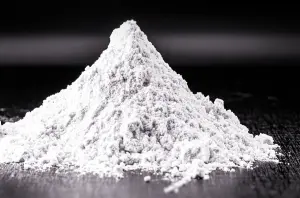
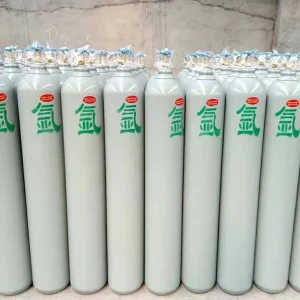
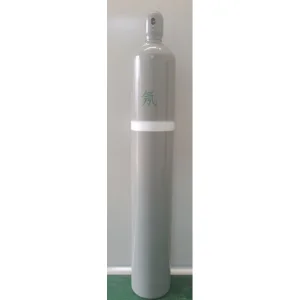
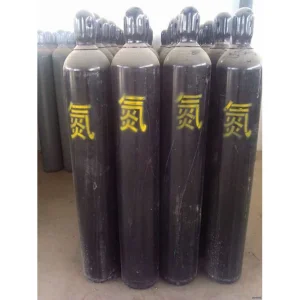
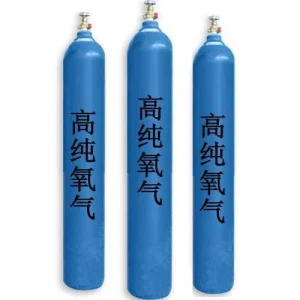
We also supply specialized alloy powders and chemical gases, including:
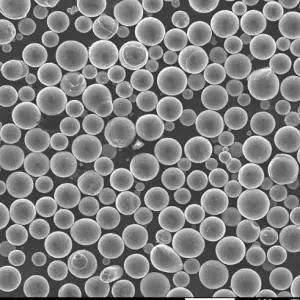
Designed for high thermal conductivity and mechanical strength in aerospace applications.
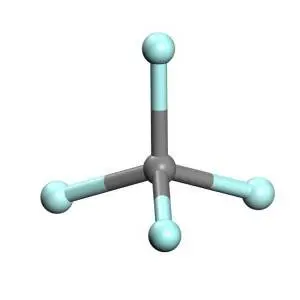
High-purity etching gas widely used in semiconductor manufacturing and electronics.
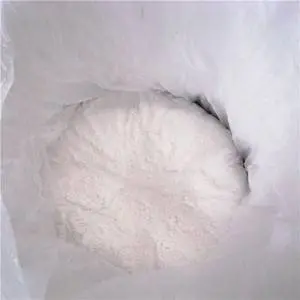
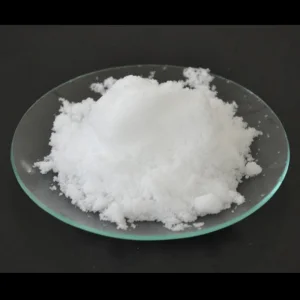
Premium industrial grade compound used as an anti-caking agent and nutritional supplement.
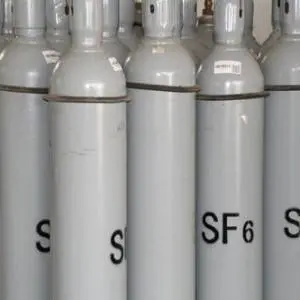
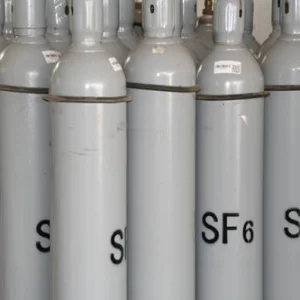
Excellent dielectric gas for high-voltage electrical insulation applications.
At YANXA, we operate under strict regulatory and quality standards to ensure safe, consistent, and compliant material delivery:
Our partner manufacturing sites are ISO 9001:2008 and ISO 9001:2015 certified. We implement strict quality controls at every stage, from raw metal sourcing to final powder packaging and shipment validation.
We provide comprehensive regulatory documentation, including SDS, Certificates of Analysis (CoA), and import declarations. Our shipments comply with REACH and RoHS standards for distribution in European and North American markets.
For hazardous goods and sensitive metal powders, we utilize specialized, moisture-sealed packaging and temperature-controlled shipping methods to prevent oxidation and ensure safe transit to our customers.
 Yanxatech