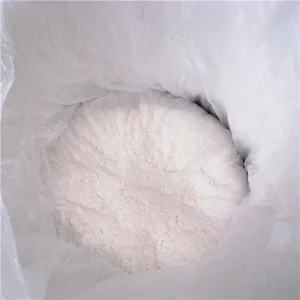
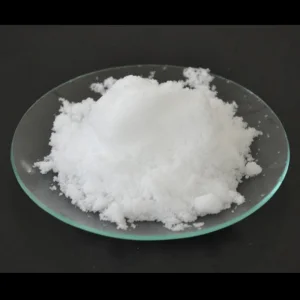
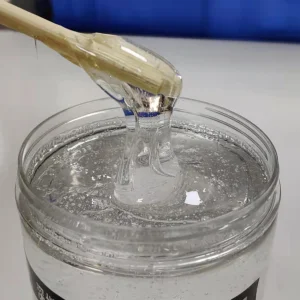
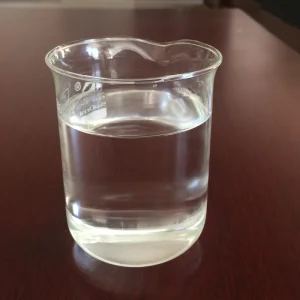
Lead (IV) Nitrate (specifically known as Lead Tetranitrate, CAS Registry is complex due to its highly specialized nature, often formulated as Pb(NO3)4) represents a rare and chemically powerful oxidizing agent. Unlike the widely available Lead (II) Nitrate (Pb(NO3)2), the Lead (IV) variant contains lead in its highest stable oxidation state (+4), rendering it a specialized reagent for specific high-valent organic conversions, laboratory research, and targeted oxidation formulations.
In global industrial systems, Lead (IV) chemistry is utilized under stringent laboratory parameters. Due to its elevated oxidation potential, it acts as a critical component in synthesis pathways that require selective addition of nitrate ester functionalities or coordinated multi-electron oxidations. Understanding its chemical behavior requires sophisticated knowledge of inorganic chemistry, crystal structure coordination, and precise thermal control.
While Lead (II) Nitrate is highly soluble in water and functions as an activator in gold cyanidation and a pigment stabilizer, Lead (IV) Nitrate exhibits extreme reactivity toward nucleophiles and moisture. It is typically synthetically accessed via the reaction of lead tetraacetate with anhydrous nitric acid or via electrochemical oxidation pathways at controlled potentials. Its storage demands inert atmosphere packaging and zero exposure to ambient moisture to prevent hydrolysis back to lead dioxide (PbO2).
| Property | Lead (II) Nitrate | Lead (IV) Nitrate |
|---|---|---|
| Formula | Pb(NO3)2 | Pb(NO3)4 |
| Oxidation State | +2 (Highly Stable) | +4 (Strong Oxidizer) |
| Hydrolytic Stability | Stable in water | Hydrolyzes rapidly |
| Primary Application | Gold mining, Pigments | Organic oxidation catalysis |
| Regulatory Class | 5.1 Oxidizer / 6.1 Toxic | 5.1 Strong Oxidizer / 6.1 Toxic |
*Note: Technical departments must specify the precise valency requirement when issuing RFQs to ensure exact manufacturing specifications.
How multinational organizations manage quality risk, regulatory compliance, and localized application demands.
In the Asia-Pacific region, lead nitrates serve as vital catalysts in the hydrometallurgical extraction of gold. By introducing precise concentrations during cyanidation, gold processing efficiency increases by up to 30% while reducing cyanide consumption. Meanwhile, in North America and European laboratories, high-purity Lead (IV) reagents are directed toward pharmaceutical intermediates and polymers.
Global procurers prioritize manufacturers operating robust, vertically integrated systems. By sourcing key precursors locally and utilizing automated crystallization plants, lead nitrate producers in China secure stable pricing structures that shield downstream buyers from heavy metal raw material market swings.
Due to the environmental footprint associated with heavy metal production, global markets demand certified adherence to environmental protection laws. Facilities holding ISO 14001 and ISO 9001:2008 certificates represent the gold standard for mitigation of cross-border logistic and regulatory hurdles.
In high-end applications, trace copper, iron, and zinc impurities within Lead IV Nitrate can degrade reaction yields by inducing alternative catalytic pathways. For electronics and premium laboratories, we advise purchasing from suppliers capable of delivering a 99.999% trace metals purity grade, verified by Inductively Coupled Plasma Mass Spectrometry (ICP-MS) data sheets accompanying each batch.
Established as a fledgling business unit in 2008, Yanxatech System Industries Limited (YANXA) has grown into a major Chinese supplier of specialized materials.
Why do leading chemical distributors prioritize partnerships with Chinese manufacturers like YANXA? The reason lies in the systemic integration of raw material supply, regulatory compliance, and rapid chemical synthesis iteration. In the nitrate sector, proximity to raw lead refining nodes reduces logistics overhead, resulting in highly competitive wholesale price quotes.
At YANXA, we operate under a strict business philosophy: Quality, safety, and efficiency must lead all operations. Chemical processing carries heightened safety concerns compared to other industrial sectors. By controlling the complete synthesis loop, we verify that our nitrates, liquid rubbers, and metal powders meet strict target values before they leave our loading docks.
Our collaborative infrastructure with state-level chemical research institutes in China enables us to offer custom concentrations, specialized packaging, and high-stability formulations. This is critical for clients requiring specialized materials designed for new applications or harsh environmental conditions.
Detailed profiles of hot-selling chemical products managed within our cooperative manufacturing network.
Product Characteristics: Formaldehyde is a colorless, highly reactive liquid that polymerizes readily. It is highly soluble in water, alcohols, and ether. Acting as a strong reducing agent, it oxidizes to formic acid in ambient air. Boiling point: -19°C, freezing point: -118°C, relative density to air: 1.067.
We supply this commercially in liquid form as Formalin—a 37% to 50% formaldehyde solution containing small percentages of methanol added as a polymerization inhibitor. Formalin vaporizes readily to release active formaldehyde gas. Boiling point: 96°C, relative density: 0.815 (-20°C), flash point: 55°C.
Product Overview: Hexamethylenetetramine, commonly referred to as Hexamine or HMTA, is a crystalline white powder produced through the condensation reaction of formaldehyde and ammonia. It is a highly versatile intermediate widely deployed across industrial manufacturing, thermosetting resins, rubber compounding, pyrotechnic fuel preparations, and pharmaceutical synthesis.
Core Specifications:
• CAS No.: 100-97-0
• Molecular Formula: C6H12N4
• Molecular Weight: 140.19 g/mol
Product Features: A white crystalline solid with a flammable odor of formaldehyde. It serves as a linear polymer of formaldehyde with no fixed melting point, designed for easy storage and dissolution when formaldehyde gas or monomer solution is required on-site.
| Item Specifications | Standard Grade | Premium Grade |
|---|---|---|
| Content | ≥92% | ≥96% |
| Solubility | ≤40 minutes | ≤40 minutes |
| Formic Acid | ≤0.05% | ≤0.05% |
| PH Range | 5.0 - 7.0 | 5.0 - 7.0 |
Sourcing toxic metal nitrates and volatile polymers requires adherence to strict safety standards.
Both Lead (II) and Lead (IV) Nitrates are classified as Dangerous Goods (Class 5.1 Oxidizing Substances and Class 6.1 Toxic Compounds). Handling these requires compliance with the International Maritime Dangerous Goods (IMDG) Code.
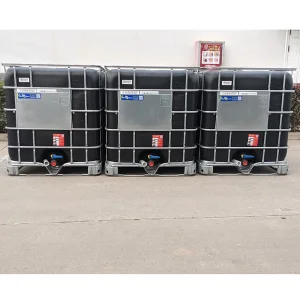
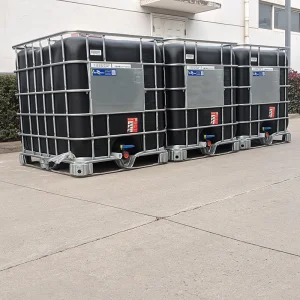
YANXA maintains strict packing protocols, using heavy-duty UN-approved fiber drums, double-layered moisture-barrier bags, and steel drums with secure seal locks. This design prevents moisture ingress during shipping, keeping the material stable and dry.
Securing customs clearance for specialty chemical exports requires accurate, traceably prepared documentation. We support our customers' supply chain teams by providing complete compliance files for every shipment: Certificate of Analysis (COA), Certificate of Conformance (COC), Safety Data Sheet (SDS) compliant with GHS, export license declarations, and full maritime insurance.
Answers to common purchasing questions, covering pricing, compliance, and shipping logistics.
Our prices are subject to change depending on supply and other market factors. We will send you an updated price list after your company contacts us for further information. We optimize logistics and manufacturing paths to provide the most competitive quotes.
Yes, we require all international orders to have an ongoing minimum order quantity. For customized chemical preparations or dangerous goods, MOQ limits vary according to transport regulations. If you are looking to resell but in smaller quantities, please contact our team to discuss alternative options.
Yes, we can provide most documentation including Certificates of Analysis / Conformance; Insurance; Origin, and other export documents where required. Standard packaging includes multi-language safety labels conforming to target country laws.
For samples, the lead time is about 7 days. For mass production, the lead time is 20-30 days after receiving the deposit payment. The lead times become effective when (1) we have received your deposit, and (2) we have your final approval for your products. If our proposed lead time does not work with your deadline, please talk to our sales manager to check workable solutions.
You can make the payment to our bank account, in the way of 30% deposit in advance, 70% balance against the copy of B/L by T/T or L/C at sight. We also offer custom payment schedules for long-term contract partners.
We warranty our materials and workmanship. Our commitment is to satisfy our customers with our products. Under warranty or not, it is the culture of our company to address and resolve all customers' concerns and meet your satisfaction.
Yes, we always use high quality export packaging. We also use specialized hazard packing for dangerous goods and validated cold storage shippers for temperature sensitive items. Specialist packaging and non-standard packing requirements may incur an additional charge.
The shipping cost depends on the way you choose to get the goods. Express is normally the quickest but also most expensive way. Sea transportation is the best solution for big size of order. Exact freight rates can be provided for your reference only if we know details of order amount, weight, means of transportation etc. Please contact us for further information.
 Yanxatech