Direct wholesale sourcing of high-purity industrial gasses, structural alloy powders, and elastomeric polymers
In modern civil engineering, the demand for resilient structural protection has driven the technology of liquid rubber deck coatings from simple bituminous emulsions to highly structured polymer matrices. With urbanization accelerating across North America, the EU, and Asia-Pacific, commercial structures face harsher ambient conditions, intense mechanical stresses, and strict environmental regulations.
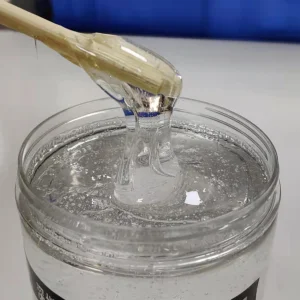
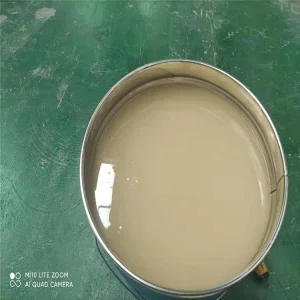
Historically, multi-layer sheet membranes dominated the decking protection market. However, cold-applied liquid membranes (LAMs) have redefined the landscape. Liquid rubber, synthesized from advanced polymers like Carboxyl-Terminated Nitrile Butadiene Rubber (CTBN) and Liquid Styrene Butadiene Rubber (LSBR), provides a seamless, monolithic protective layer. The absence of seams eliminates the most common failure point in traditional waterproofing systems.
The major industry shift revolves around VOC compliance. Global regulatory frameworks (such as US LEED requirements and EU REACH standards) have forced manufacturers to transition toward solvent-free, water-based, or high-solid elastomeric formulations. Today's commercial deck coatings must deliver exceptional elongation—often exceeding 600%—to accommodate dynamic thermal expansion and structural cracking.
Aligning raw materials, compliance documentation, and systemic logistics with long-term infrastructure needs
B2B procurement managers prioritize performance metrics such as tensile strength, elongation capacity, crack-bridging capability, and peel adhesion strength. High-purity inputs lead to reliable elastomeric films that do not crack under severe thermal cycling.
Import and export compliance dictates that products must be accompanied by comprehensive testing records. Standard certifications include ISO 9001, Certificates of Analysis (CoA), material safety data sheets (SDS), and hazardous shipping validation documents.
While low-quality materials reduce upfront expenses, they accelerate deterioration and lead to premature failure. Strategic sourcing models evaluate the Total Cost of Ownership (TCO), highlighting products with longer lifespans and lower maintenance demands.
Modern manufacturing of specialty chemicals requires strict consistency. As a leading supplier of chemical materials, YANXA collaborates with advanced production facilities in China to implement Factory 4.0 principles. These include digital process control, real-time batch monitoring, and computerized polymer reactor systems.
By integrating industrial automation with advanced chemical manufacturing, our collaborative partner facilities can ensure that raw materials like liquid rubber, carboxyl-terminated nitrile butadiene rubber (CTBN), and liquid styrene butadiene rubber (LSBR) conform to tight molecular parameters.
China's well-integrated industrial ecosystems ensure ready access to key feedstocks, lowering shipping costs and mitigating supply bottlenecks. This enables YANXA to offer reliable pricing structures and consistent lead times, even when global logistics are disrupted.
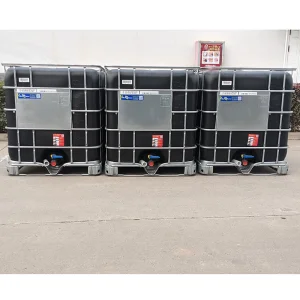
We deploy specialized packaging protocols for our products, including hazardous material containment and temperature-validated storage for reactive compounds.
Whether managing marine freight, rail transit, or air transport for samples, our logistics network provides full transparency, ensuring your supply chain remains operational.
Yanxatech System Industries Limited (YANXA) is an expanding supplier of specialty materials in China. Starting as a small business unit in 2008, YANXA was founded with a focus on developing international markets for chemical and mechanical industrial products.
Through our team’s consistent efforts and the support of our business partners, YANXA has grown into a reliable provider of specialty chemical products and related services.
We cooperate with leading manufacturers and research institutions in China to supply three core areas: liquid rubber, nitrates, and metal/alloyed powders.
Quality, safety, and efficiency are our core values. We work to address our customers' requirements for standard products, as well as their specific requests for newly developed applications. YANXA adheres to technical requirements and works to make deliveries in close conformity with customer specifications.
Because chemical logistics carry inherent risks, we manage all chemical activities in a safe manner to protect human health and the environment. YANXA is committed to safe shipping, compliant packaging, and comprehensive material certification.
Review the detailed specifications and features of our specialized chemicals and materials
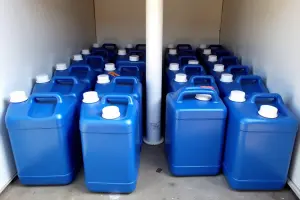
Product Characteristics: A colorless liquid that polymerizes easily and is soluble in water, alcohol, and ether. It oxidizes to formic acid in the air, functioning as a strong reducing agent. Its boiling point is -19°C, freezing point is -118°C, and relative density to air is 1.067.
It is supplied as formalin, a 37-50% formaldehyde solution containing a small amount of methanol as a polymerization inhibitor. Boiling point is 96°C, relative density is 0.815/-20°C, and flash point is 55°C.

Overview: Also known as hexamine or HMTA, this white crystalline powder is produced by the condensation of formaldehyde and ammonia. It is an organic chemical intermediate used in industrial manufacturing, pharmaceutical synthesis, rubber processing, and analytical chemistry.
CAS No: 100-97-0 | Formula: C₆H₁₂N₄ | Mol Weight: 140.19 g/mol
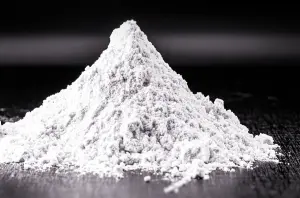
Features: A white powdery solid with a characteristic formaldehyde odor. It is a linear polymer of formaldehyde without a fixed melting point. Available in 96% and 92% active concentrations with low formic acid content (≤0.05%) and pH range of 5-7.
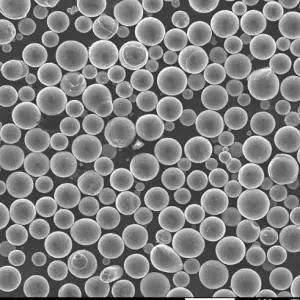
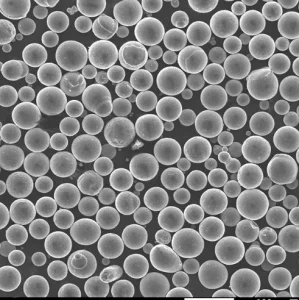
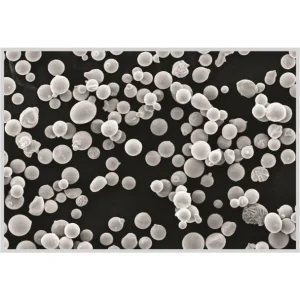
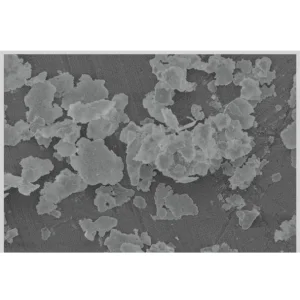
Product Application: A highly consistent metal powder designed for aerospace, fireworks, structural composites, and advanced metallurgical applications. This product features high sphericity, uniform particle sizing, and low active gas adsorption.
Engineered to perform in demanding ambient conditions
High salinity and moisture lead to rapid corrosion of concrete deck steel. Applied as a continuous barrier, liquid rubber coatings block chloride ions, protecting ship decks, coastal boardwalks, and offshore platforms.
Transit centers, vehicle park ramps, and pedestrian pathways demand high tear strength and impact resistance. Modified CTBN and polybutadiene rubber coatings absorb structural vibrations and resist cracking under heavy loads.
Rapid thermal transitions cause many materials to crack. Our high-elastomer coatings maintain flexibility down to -40°C and resist softening at temperatures up to 80°C, providing reliable performance in diverse climates.
Clear answers regarding product technicalities, pricing models, logistics, and corporate policies
Sourcing solutions for high-performance elastomers, processing chemicals, and structural alloy powders
 Yanxatech