Explore our premium selection of advanced material compounds, custom-synthesized rubbers, and electronic gases engineered to meet rigorous specifications.
Established in 2008, Yanxatech System Industries Limited (YANXA) has grown from a specialized technical startup into an international benchmark supplier in China’s specialty chemicals sector.
We integrate chemical engineering innovation with strict compliance architectures to deliver top-tier materials. Our products include liquid rubbers (ATBN, HTBN, CTBN, MLPB), metallic alloys, nitrates, and high-purity industrial gases. Serving sectors from automotive manufacturing to aerospace engineering and electronic chip fabrication, YANXA provides the critical chemical infrastructure required by today's complex industries.
Every industrial application relies on molecular consistency. At YANXA, we focus on:
Liquid rubber compounds function as tough structural enhancers in demanding thermal, mechanical, and chemical environments. The table below details our primary formulations and their engineering profiles.
| Liquid Rubber Grade | Terminal Groups & Functional Structure | Primary Industrial Application | Key Properties & performance Parameters |
|---|---|---|---|
| ATBN (Amino-Terminated Nitrile Butadiene) | Reactive amine terminal functional groups; variable acrylonitrile content. | Epoxy resin modification, dynamic structural adhesives, composite wind turbine blades. | Excellent low-temperature crack tolerance, high impact resistance, improved peel strength. |
| HTBN (Hydroxyl-Terminated Butadiene Nitrile) | Hydroxyl (-OH) terminal groups; flexible polybutadiene backbone. | Polyurethane modifications, aerospace insulative sealants, water-resistant coatings. | Superb elasticity, high moisture impermeability, strong dielectric insulation properties. |
| CTBN (Carboxyl-Terminated Nitrile Butadiene) | Carboxyl (-COOH) terminal groups; high polarity molecular structure. | Electronic structural sealants, printing ink modifiers, heavy aerospace coatings. | Superior adhesion to metallic and composite substrates, high chemical resistance. |
| MLPB (Maleic Anhydride Grafted Polybutadiene) | Grafted maleic anhydride rings on unsaturated polybutadiene chain. | Rubber-metal adhesive vulcanization, electrical component encapsulation. | High dispersion capacity, rapid cross-linking reactions, excellent thermal stability. |
Adding functional liquid rubbers to brittle epoxy structures helps prevent micro-cracking. Incorporating ATBN or CTBN matrices helps disperse mechanical energy, preventing cracks from propagating in extreme vibration or low-temperature environments.
Our liquid rubbers utilize polar terminal groups (carboxyl, amino, and hydroxyl) that form robust covalent and hydrogen bonds with metals, glass, and carbon-fiber composites. This helps prevent delamination under changing thermal loads.
We specialize in designing low-molecular-weight prepolymers that balance viscosity and reactivity. This enables our clients to formulate solvent-free coatings with low VOC levels, satisfying environmental mandates without compromising physical properties.
Meeting international supply chain requirements requires a thorough understanding of safety regulations, specialized packaging, and technical integration protocols.
Procuring chemical raw materials requires careful risk management regarding product stability, shipping safety, and chemical compliance. As a specialized Chinese exporter, YANXA provides thorough support through verified logistics chains, dangerous goods packaging, and detailed analytical testing.
Our R&D team works alongside client engineering groups to synthesize liquid rubber copolymers with custom target molecular weights and customized nitrile contents, optimizing performance for your application.
We employ resource-efficient synthesis processes that minimize hazardous chemical waste, supporting our global partners in achieving their long-term environmental sustainability targets.
Consistent with our role as a comprehensive specialty materials provider, below are detailed specifications and properties for our core chemical intermediate catalog.
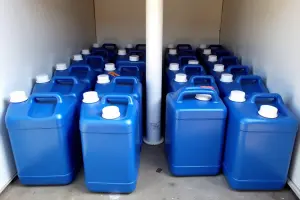
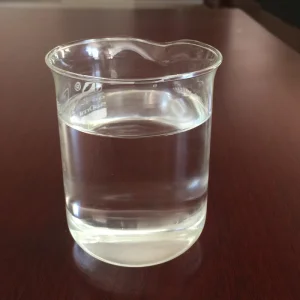
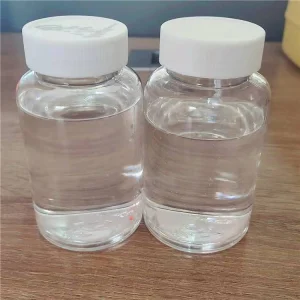
Product Characteristics: Formaldehyde is a colorless, reactive liquid that readily polymerizes and is highly soluble in water, alcohol, and ether. It is oxidized to formic acid in ambient air, serving as a powerful reducing agent.
Boiling Point: -19°C (pure gas), 96°C (formalin solution)
Freezing Point: -118°C
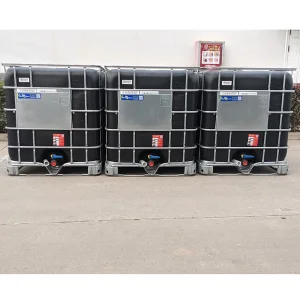
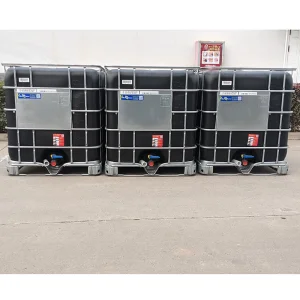
Commercial Form: Supplied as formalin, a 37-50% aqueous solution stabilized with methanol to prevent unwanted polymerization.
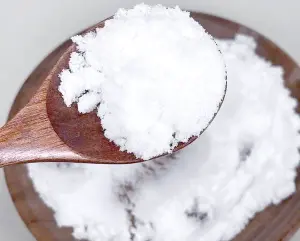
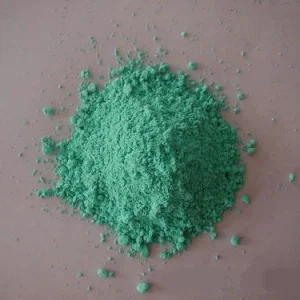
Overview: Hexamethylenetetramine (also known as hexamine or HMTA) is a white crystalline powder synthesized through the condensation of formaldehyde and ammonia.
CAS No: 100-97-0
Formula: C₆H₁₂N₄
Molecular Weight: 140.19 g/mol
Primary Uses: A crucial synthesis intermediate used in plastic manufacturing, rubber vulcanization, pharmaceutical production, and fuel compounds.
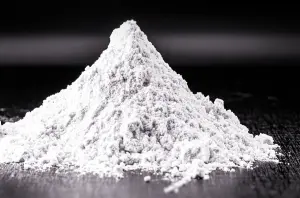
Properties: A solid linear polymer of formaldehyde with a characteristic pungent odor, widely utilized in resin formulation and organic synthesis.
Purity Options: ≥96% and ≥92% active content
Solubility Time: ≤40 minutes
Formic Acid Content: ≤0.05% max
pH Range: 5.0 - 7.0
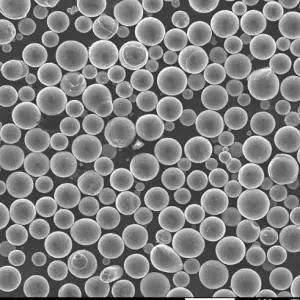
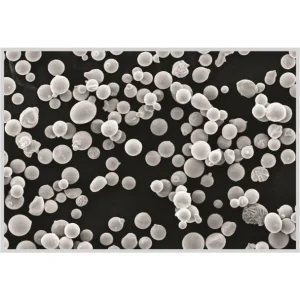
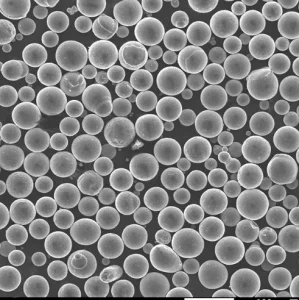
Highly uniform spherical metal particles engineered for rocket propellant additives, pyrotechnics, and specialized aerospace manufacturing.
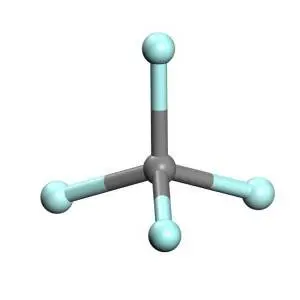
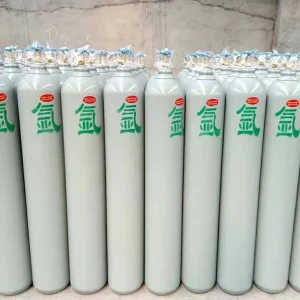
High-purity halogenated gas widely utilized in semiconductor plasma etching and wafer microfabrication processes.
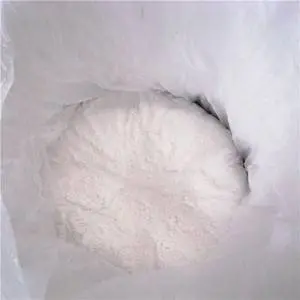
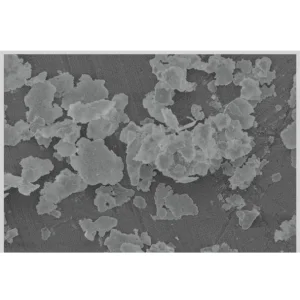
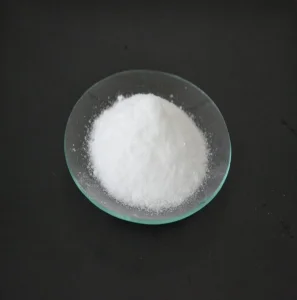
Fine powder stabilizer and anti-caking agent, utilized across industrial, agricultural, and material processing applications.
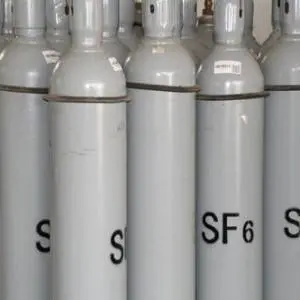
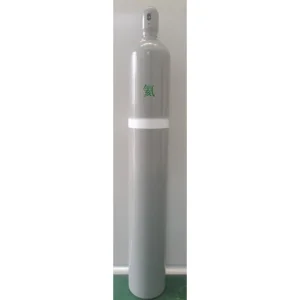
Highly insulating dielectric gas utilized in high-voltage circuit breakers, switchgears, and power transmission infrastructure.
Analyzing technical developments and market demand shifts that shape the industrial coatings sector.
Regulatory frameworks like EU REACH and the EPA Clean Air Act continue to lower VOC limits. Future development centers on low-viscosity liquid rubbers that cure efficiently without volatile solvent carriers, helping manufacturers comply with modern environmental standards.
Developing block copolymers that integrate liquid rubbers (such as ATBN or CTBN) within epoxy and polyurethane systems allows for micro-phase separation. Under stress, these micro-domains help absorb mechanical energy, slowing or arresting crack propagation.
Industrial R&D is increasingly exploring bio-derived feedstocks for butadiene and nitrile monomer synthesis. Replacing fossil fuel inputs with renewable alternatives helps lower the net carbon footprint of industrial protective coatings.
How YANXA ensures quality control, batch traceability, and hazard compliance for high-specification exports.
Handling industrial chemicals requires high safety standards and reliable logistics management. Our facility maintains an ISO 9001:2008 certified quality management system, guaranteeing that every chemical shipment conforms to target physical and chemical specs.
We ensure that every chemical interaction, packaging line, and shipment is managed in a secure manner to protect human health and minimize environmental impacts.
Our logistics and warehousing operations are verified for chemical export, including sensitive classes of industrial gas, metallic alloy powders, and liquid polymer compounds. YANXA provides comprehensive technical documentation, including Certificates of Analysis (COA), safety data sheets, and custom export records.
Review answers regarding pricing, minimum order quantities (MOQ), global shipping regulations, and technical support parameters.
Our prices are subject to change depending on supply and other market factors. We will send you an updated price list after your company contact us for further information.
Yes, we require all international orders to have an ongoing minimum order quantity. If you are looking to resell but in much smaller quantities, we recommend you check out our website.
Yes, we can provide most documentation including Certificates of Analysis / Conformance; Insurance; Origin, and other export documents where required.
For samples, the lead time is about 7 days. For mass production, the lead time is 20-30 days after receiving the deposit payment. The lead times become effective when (1) we have received your deposit, and (2) we have your final approval for your products. If our proposed lead time do not work with your deadline, please talk to our sales manager for checking workable solution. In all cases we will try to accommodate your needs. In most cases we are able to do so.
You can make the payment to our bank account, in the way of 30% deposit in advance, 70% balance against the copy of B/L by T/T or L/C at sight.
We warranty our materials and workmanship. Our commitment is to make you satisfy with our products. Under warranty or not, it is the culture of our company to address and resolve all customers’ concerns and meet your satisfaction.
Yes, we always use high quality export packaging. We also use specialized hazard packing for dangerous goods and validated cold storage shippers for temperature sensitive items. Specialist packaging and non-standard packing requirements may incur an additional charge.
The shipping cost depends on the way you choose to get the goods. Express is normally the quickest but also most expensive way. Sea transportation is the best solution for big size of order. Exact freight rates can be provided for your reference only if we know details of order amount, weight, means of transportation etc. Please contact us for further information.
Explore additional industrial offerings from our materials development lines.
 Yanxatech