Wholesale Magnesium Complex Powder Manufacturers & Pricelist

High-Density Specialty Materials, Custom Spherical Powders & ISO9001-Certified Global Supply Logistics for Heavy Industry Applications

1. The Industrial Evolution & Dynamics of Magnesium Complex Powders

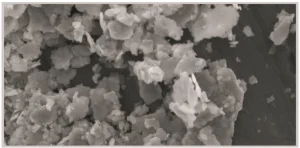
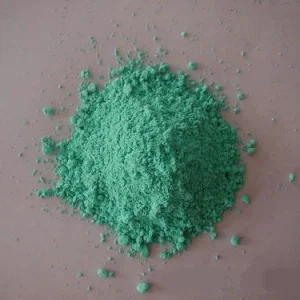
Over the past decade, material science has transitioned from monolithic metals toward high-performance multi-element complexes. Within this paradigm shift, Magnesium Complex Powders (incorporating elements such as aluminum, zinc, and specialty rare earths) have established themselves as vital materials across high-stress environments. Because magnesium is the lightest structural metal available, compounding it into a precise spherical alloy complex enables companies to optimize weight-to-strength ratios without sacrificing thermal or mechanical integrity.

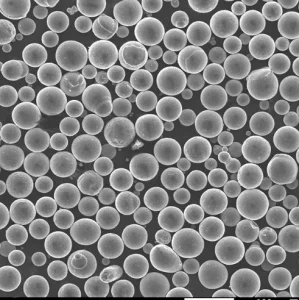
Global demand is driven by the structural push for fuel efficiency in automotive frameworks, casing technologies for lightweight defense systems, and complex reducing reactions in chemical process industries. The transition from irregular mechanical grinding toward gas atomization processes has resolved previous density limitations, generating highly uniform, spherical particles that flow with minimal friction during processing.

Market Drivers Dashboard

  • Advanced Gas Atomization: Generates highly spherical shapes with ideal flowability characteristics.
  • Decreased Oxidation Risk: Controlled grain distribution reduces surface oxidation, ensuring long shelf life and stable reactions.
  • E-E-A-T Verified Integrity: Formulated in compliance with ISO9001:2008 standards to meet exact defense, aerospace, and pyrotechnic requirements.
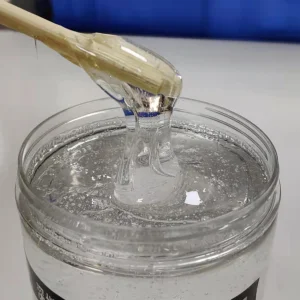
  • Cross-Industry Synergy: Integrates effectively with specialized liquid rubbers (like HTPB, HTBN, and CTBN) as reactive curing matrixes.

China Factory 4.0: Metallurgical Precision & Supply Chain Resilience

How YANXA combines decades of local manufacturing relationships with high-efficiency automation.

01 / PROCESS CONTROL

Atomized Spherical Control

By using inert gas atomization processes, our production partners manage the particle shape and size distribution (typically D50 particle sizing) to ensure predictable burning speeds and compaction levels.

02 / ISO STANDARDS

ISO9001:2008 Compliance

Quality and consistency remain top priorities. Every batch undergoes strict spectral analysis, laser particle size testing, and moisture checks to verify alignment with buyer datasheets.

03 / RAW INGREDIENTS

Raw Material Security

By drawing raw materials from local refineries, we maintain a secure, low-overhead inventory of high-purity magnesium and aluminum ingots, insulating customers from supply disruptions.

2008
Established Year
<40 Min
Paraformaldehyde Sol. Time
96%
Min Paraformaldehyde Content
ISO9001
System Accreditation

Global Industrial Applications & Performance Metrics

Evaluating how magnesium and aluminum-magnesium alloy powders are utilized across specialized sectors.

Alloy Powder Type Composition (Mg/Al Range) Common Particle Shape Primary Industrial Use Cases Key Properties
Spherical Mg-Al Alloy Mg 50% / Al 50% Highly Spherical Aerospace propellants, pyrotechnics, metallurgy Stable burning rate, low moisture absorption
High Purity Magnesium 99.9% Pure Mg Granular / Flake Chemical synthesis, Grignard reagents, reduction agent High chemical reactivity, reliable yield outputs
Epoxy/Polymer Coated Mg Alloy Core + Custom Coating Spherical / Coated Advanced structural composites, marine coatings Excellent corrosion resistance, polymer compatibility
Zinc Flake Formulations Zinc/Magnesium Mix Flake morphology Anti-corrosion primers, automotive coatings Excellent cathodic protection in marine environments

Localized Application Scenarios:

  • Pyrotechnics & Defense Propulsion: The highly energetic nature of atomized aluminum-magnesium alloy powder provides a reliable option for propellant formulations, flare materials, and chemical starters.
  • Chemical Intermediates and Grignard Reactions: Pure metal powders enable precise temperature control during organic synthesis reactions, which helps manufacturers maximize target product yields.
  • Structural Composites & Liquid Rubber Modifiers: Integrating functional fillers with specialty liquid rubbers (such as HTBS, HTBN, or EPB) allows manufacturers to adjust curing shrinkage, hardness, and thermal dissipation levels.

Technical Profiles: Formaldehyde, Hexamine & Paraformaldehyde

Specific chemical and physical parameters of our primary organic intermediates and binders.
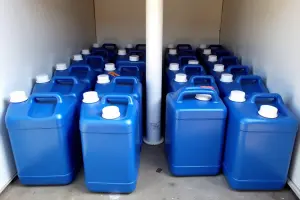
Formaldehyde Product

Formaldehyde (Commercial Formalin Solutions)

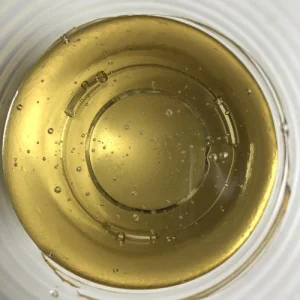
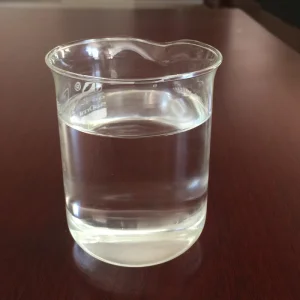
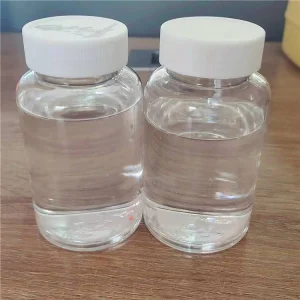
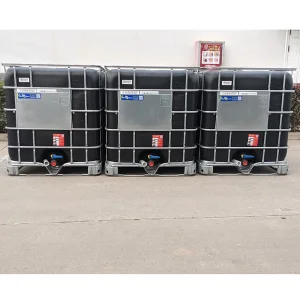
A colorless, strong-reducing liquid that polymerizes readily. Standard solutions are supplied as Formalin, containing 37-50% formaldehyde, with added methanol to inhibit natural polymerization. The solution displays a distinct pungent odor, vaporizes at ambient temperatures, and is highly reactive, making it an essential building block for resin production.
Boiling Point: -19℃ (Gas) / 96℃ (Solution) Flash Point: 55℃ Relative Density: 1.067 (Air) / 0.815 (Liquid)
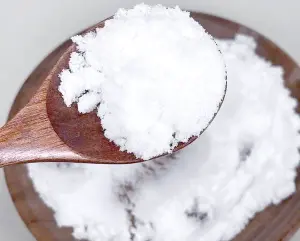
Hexamethylenetetramine (Hexamine)

Hexamethylenetetramine (Hexamine / HMTA)

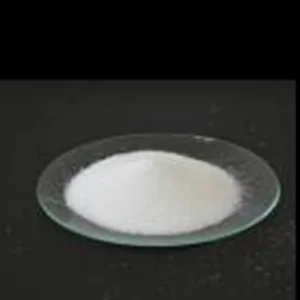
A white crystalline powder produced by the condensation reaction of formaldehyde and ammonia. Widely employed as a crosslinking agent in phenolic resin manufacturing, a hardening accelerator in plastics, and an intermediate in organic chemical synthesis.
CAS No: 100-97-0 Molecular Formula: C₆H₁₂N₄ Molecular Weight: 140.19 g/mol
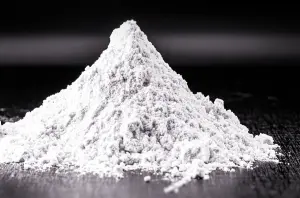
Paraformaldehyde Powder 96%

Paraformaldehyde Powder 96% / 92%

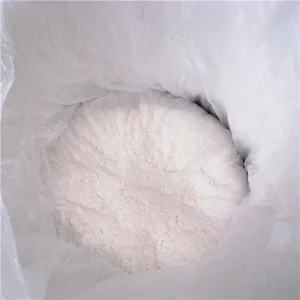
A solid polymer of formaldehyde featuring a distinctive flammable odor. Its granular format is suitable for applications requiring minimal water content, such as resin manufacturing and organic synthesis reactions.

Content: ≥ 96% or ≥ 92% Solubility: ≤ 40 minutes pH: 5.0 - 7.0

Industrial Procurement FAQ & Purchasing Protocols

Comprehensive guide to transaction processes, chemical packaging standards, and bulk lead times.

What parameters dictate the pricing structure for Magnesium Complex Powders?
Our prices are subject to change depending on supply, raw material fluctuations (Mg and Al ingot spot rates), and other market factors. Once your company contacts us for further information, we will send you an updated price list tailored to your required volume and specification purity.
Do you enforce a Minimum Order Quantity (MOQ) for international shipments?
Yes, we require all international orders to have an ongoing minimum order quantity. This ensures cost-efficiency across customs declarations and freight handling. If you are looking to resell or procure in smaller experimental quantities, please contact our team to discuss customized shipping options.
What technical and export documentation do you provide for hazardous material shipping?
We provide comprehensive export documentation, including Certificates of Analysis (COA) / Conformance, detailed Safety Data Sheets (SDS) matching GHS standards, marine cargo insurance policies, Certificates of Origin, and specialized dangerous goods declaration documents.
What are your standard and sample lead times?
For initial sample evaluations, the lead time is approximately 7 days. For mass production, the standard lead time is 20-30 days after receiving deposit payments and final technical approval. If your production schedule requires faster delivery, our sales managers can coordinate alternative logistics options.
What payment methods and settlement structures do you support?
We accept bank wire transfers (T/T), with a structure of 30% deposit in advance and the remaining 70% balance payable against the bill of lading copy, or via an irrevocable Letter of Credit (L/C) at sight.
How does YANXA guarantee safe transport for reactive metal alloy powders?
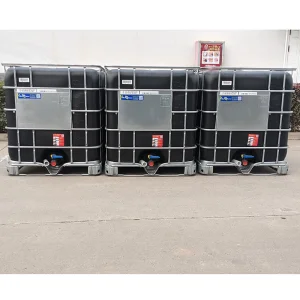
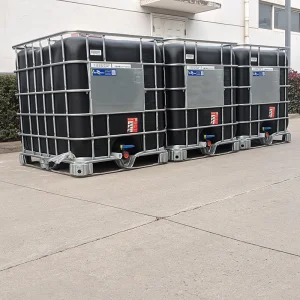
We use UN-approved export packaging designed for hazardous materials. This includes hermetically sealed steel drums containing inert gas pads (like dry nitrogen) to prevent oxidation, combined with secondary moisture barriers to ensure product stability during transport.