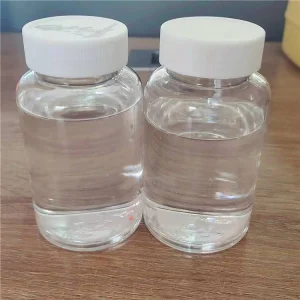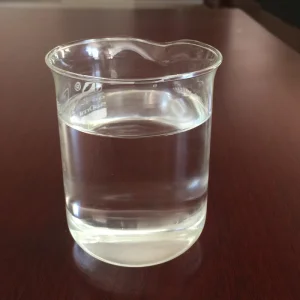
Polyethylene Glycol 8 (PEG 8), corresponding to cosmetic nomenclature representing an average molecular weight of 400 g/mol (often interchangeably classified in specific pharmacopeias as PEG 400), is a highly versatile, water-soluble oligomer of ethylene oxide. It stands out in industrial synthesis due to its unique combination of low toxicity, high hygroscopicity, exceptional solvent power, and physical stability over broad temperature ranges.
As a key chemical building block, PEG 8 acts as a non-volatile vehicle, humectant, co-solvent, and conditioning agent. Industries ranging from personal care, pharmaceuticals, and agricultural formulations to advanced metal coatings and plastics manufacturing rely heavily on the uniform polymer chain distribution and consistent batch viscosity that only premium-grade PEG 8 suppliers can guarantee.
Yanxatech System Industries Limited
Established in 2008, growing from a fledgling specialty business to a premier ISO9001:2008 certified global supplier of advanced materials, liquid rubbers, and industrial chemical intermediates.
SEO Insight & Technical Clarification: Polyethylene Glycol 8 designates a molecule with 8 repeating oxyethylene monomer units [-CH2-CH2-O-]. This molecular refinement yields a low-viscosity liquid at room temperature (freezing point of 4-8°C), making it highly pumpable and ideal for continuous process injection systems without the pre-heating overhead required by higher molecular weight grades like PEG 1500 or PEG 4000.
| Property Parameter | Standard Specification (PEG 8 / PEG 400) | Testing Methodology Reference |
|---|---|---|
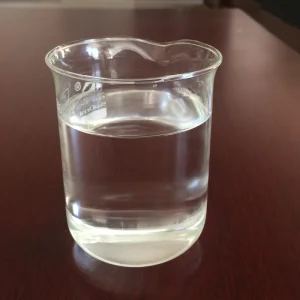
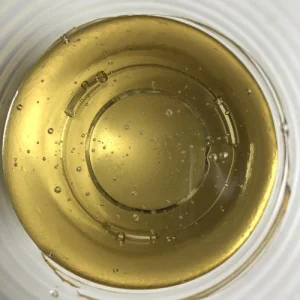
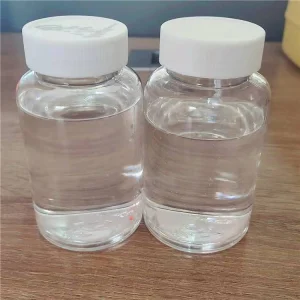
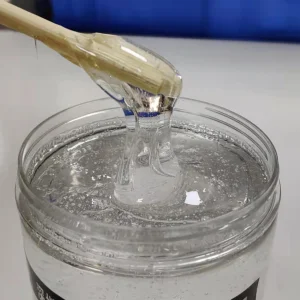
| Appearance (at 25°C) | Clear, colorless, viscous liquid; free of suspended matter | Visual Inspection |
| CAS Registry Number | 25322-68-3 | IUPAC Registry |
| Average Molecular Weight | 380 – 420 g/mol | Gel Permeation Chromatography (GPC) |
| Hydroxyl Value | 264 – 300 mg KOH/g | ASTM D4274 Standard |
| pH (5% Water Solution) | 5.0 – 7.0 | Potentiometric pH Meter |
| Water Content (Karl Fischer) | Max 0.5% (Industrial) / Max 0.2% (Premium USP) | ASTM E203 |
| Viscosity (at 99°C) | 6.8 – 8.0 cSt | Ubbelohde Viscometer |
| Color (APHA) | Max 15 Pt-Co units | ASTM D1209 |
The global demand for Polyethylene Glycol PEG 8 has witnessed compound annual growth due to rapid expansions in pharmaceuticals, modern dermatological cosmetics, and clean agricultural delivery systems. Our global distribution channels ensure that bulk supply chains maintain low transportation overhead while satisfying rigorous local compliance codes.
In modern personal care products, PEG 8 serves as a highly efficient humectant and sensory modifier. It prevents formulas from drying out, stabilizes emulsion systems, and increases the solubilization of essential oils and active ingredients. Because of its high water affinity, it provides a smooth, non-greasy feel in facial serums, moisturizing creams, and body washes.
As an excipient in liquid-fill gelatin capsules, topical ointments, and parenteral formulations, PEG 8 increases the bioavailability of poorly water-soluble active pharmaceutical ingredients (APIs). By functioning as a stable liquid solvent, it ensures uniform dosing and minimizes gastrointestinal irritation when used in oral delivery systems.
In metalworking, ceramic processing, and rubber extrusion, PEG 8 acts as a clean-burning lubricant and temporary binder. Unlike mineral-oil-based equivalents, it leaves virtually no carbon residue during thermal firing or sintering phases, preserving high surface purity on final structural components.
The global chemical market faces complex headwinds, including volatile shipping logistics, fluctuating petrochemical feedstocks, and shifting environmental controls. Yanxatech System Industries Limited (YANXA) addresses these challenges through localized raw material integration, advanced batch automation, and strategic proximity to leading deepwater ports.
As standard-bearers in specialty chemical export, YANXA recognizes that the chemical business carries elevated safety responsibilities. We process, package, and transport every batch of PEG 8 with absolute adherence to international safety protocols (IMDG, GHS, and IATA rules). Our logistics systems feature secondary containment options, moisture-barrier drum liners, and strict temperature-controlled storage environments to prevent premature polymer degradation.
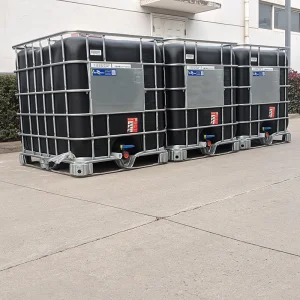
Through close cooperation with China's leading chemical institutes, we don’t just supply generic off-the-shelf PEG 8. We customize oligomer distributions, moisture levels (ultra-low moisture options down to 0.05%), and packaging volumes (ranging from 200kg steel drums to 1000kg IBC totes and liquid ISO tanks). This flexibility ensures that the material integrates directly into your industrial production lines with zero modification overhead.
The chemistry of Polyethylene Glycol is evolving to meet modern environmental and engineering criteria. The technical roadmap below illustrates how manufacturing practices are transitioning to support advanced material science:
Transitioning from fossil-derived petroleum bases to bio-ethanol-derived ethylene oxide. This shift dramatically reduces the cradle-to-gate carbon footprint of industrial PEG 8 without altering its chemical characteristics or USP-grade performance.
Refining ethoxylation catalysis to narrow the molecular weight distribution (PDI closer to 1.02). This results in sharper melting point profiles and highly predictable viscosity values for sensitive analytical and formulation applications.
Expanding the synthesis of functionalized PEG derivatives (such as methoxy PEGs or carboxyl-terminated variants) to meet the demand for target-oriented drug delivery systems and advanced block copolymer applications.
Below is the collection of our core industrial compounds and technical materials, designed for high-performance applications and synthesized under strict ISO9001:2008 standards.
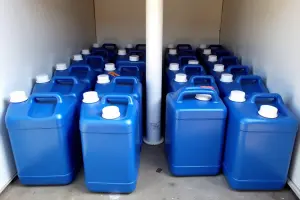
Colorless, highly reactive industrial liquid (commercially supplied as formalin with 37-50% formaldehyde content). It acts as a powerful reducing agent, oxidizing to formic acid upon exposure to ambient air.
Learn More →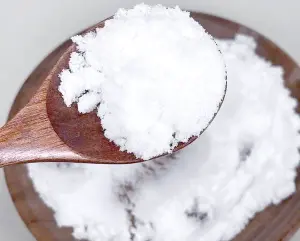
White crystalline powder (HMTA, CAS: 100-97-0) synthesized from formaldehyde and ammonia. Crucial for thermosetting resins, rubber vulcanization, and organic synthesis.
Learn More →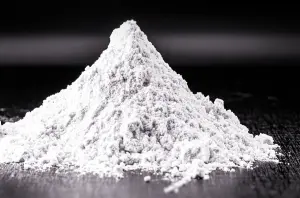
Highly concentrated solid linear polymer of formaldehyde. Ideal for synthetic coatings, adhesives, and chemical synthesis requiring minimal water introduction.
Learn More →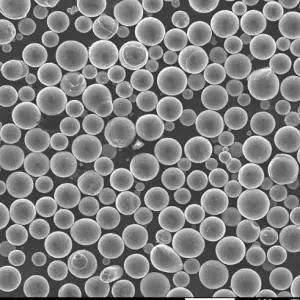
High-purity spherical alloy powder with uniform particle distribution, optimized for aerospace, additive manufacturing, and specialty pyrotechnics.
Learn More →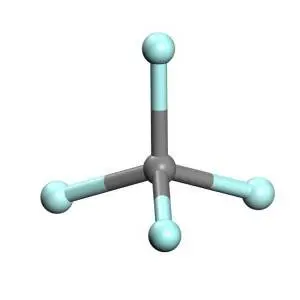
Ultra-pure halocarbon gas extensively utilized in semiconductor microchip dry etching and specialized low-temperature physics research.
Learn More →
Premium-grade calcium salt designed as an anti-caking agent, food fortification additive, and raw precursor in ceramic formulation.
Learn More →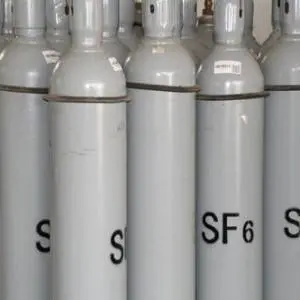
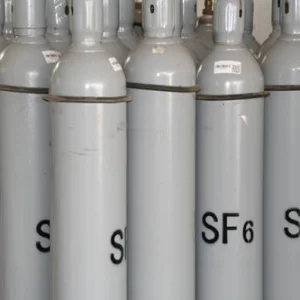
High-grade dielectric gas featuring superior insulation strength, vital for high-voltage circuit breakers and power transmission infrastructure.
Learn More →Here you will find answers to frequently asked technical and supply-related questions. For specific compounding challenges or updated commercial price lists, please contact our technical sales desk directly.
 Yanxatech