High-purity chemical salts optimized for Busan's advanced electronics and industrial manufacturing supply lines.
As South Korea’s primary maritime gateway, the Metropolitan City of Busan sits at the crossroads of East Asian heavy industry, advanced electronics, and global maritime trade. Together with its neighboring industrial complexes in Ulsan and Gyeongsangnam-do, Busan is a major hub for automotive parts, shipbuilding components, polymer engineering, and semiconductor logistics. In modern manufacturing, high-purity inorganic salts and electronic-grade specialty gases serve as critical chemical tools. These chemical inputs are essential for surface treatments, polymerization catalysts, gas cracking, and cleaning agents in electronic manufacturing.
With global supply chains facing geopolitical friction and logistical bottlenecks, Busan-based companies are increasingly looking to establish resilient, cost-effective chemical supply channels. The proximity of Chinese manufacturing facilities to the Port of Busan provides a major geographic advantage. High-quality inorganic salts can be shipped within 48 hours, enabling just-in-time (JIT) production practices for Korean manufacturers. This rapid transit minimizes inventory holding costs while ensuring a continuous supply of vital chemical materials.
How regulatory compliance, localization, and technical shifts affect purchasing strategies.
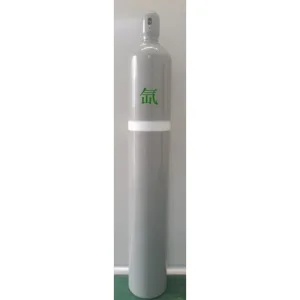
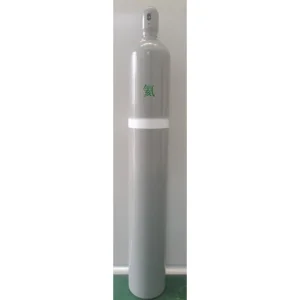
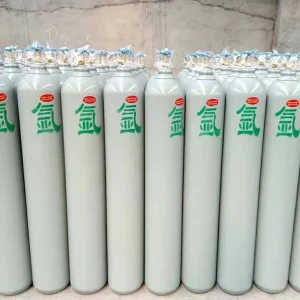
In semiconductor and optoelectronic processing, standard industrial-grade chemicals are insufficient. Manufacturers require electronic-grade compounds with trace metals controlled at the parts-per-billion (ppb) or parts-per-trillion (ppt) levels to prevent defect formation in wafer fabrication. Specialty gases such as Xenon, Krypton, and electronic-grade Argon must meet 5N (99.999%) or 6N (99.9999%) purity metrics.
The regulatory framework governing chemicals is tightening globally. Procurement agents in Busan must ensure all chemical imports comply with South Korea's Act on Registration and Evaluation of Chemical Substances (known as K-REACH). Working with suppliers who possess transparent safety documentation, environmental safety protocols, and correct hazard labels is essential for avoiding regulatory delays.
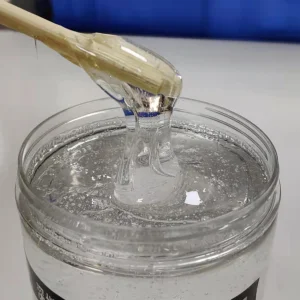
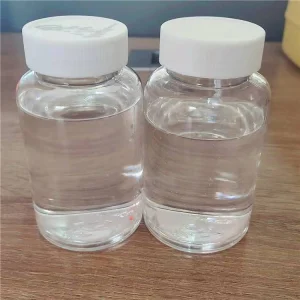
Advanced automotive and maritime applications demand structural materials capable of withstanding extreme stresses. Functional liquid rubbers like Maleic Anhydride Grafted Polybutadiene (MLPB) and Carboxyl Terminated Nitrile Butadiene Rubber (CTBN) are being adopted as modifiers. These polymers enhance adhesion, impact resistance, and thermal tolerance in aerospace, electronics, and ship hull adhesives.
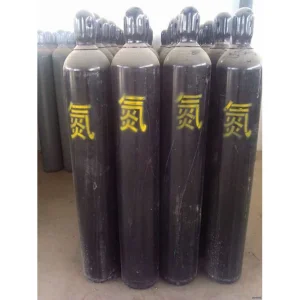
High-purity gases and performance polymers designed for advanced manufacturing applications.
Modern chemical synthesis requires rigorous control over both processes and costs. Over the past decade, Chinese chemical manufacturing has transitioned toward an Industry 4.0 model. This shift features automated batch control, real-time spectroscopy analysis, online gas chromatography, and automated closed-loop synthesis. This technological evolution allows manufacturers to produce inorganic salts and specialty monomers with high batch-to-batch consistency.
For buyers in Busan, this transition provides significant advantages:
Yanxatech System Industries Limited (YANXA) has aligned its operations with this model. Since 2008, YANXA has worked to build a reliable international presence in the chemical sector. The company utilizes a network of partner research institutes and automated production plants in China to deliver specialty chemicals that meet the demands of advanced markets like South Korea.
Detailed physical characteristics and chemical metrics for high-volume synthesis intermediates.
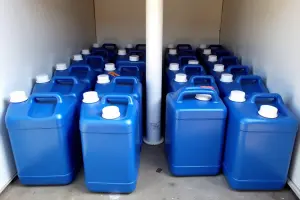
Formaldehyde is a highly active, colorless compound that polymerizes easily and dissolves readily in water, alcohols, and ethers. Due to its reducing properties, it rapidly oxidizes in air to form formic acid. It is commercially supplied as formalin (37-50% aqueous solution), containing methanol as a polymerization inhibitor.
| Property | Gas Phase Value | Commercial Formalin Value |
|---|---|---|
| Boiling Point | -19 °C | 96 °C |
| Freezing Point | -118 °C | - |
| Relative Density | 1.067 (to air) | 0.815 (-20 °C) |
| Flash Point | - | 55 °C |
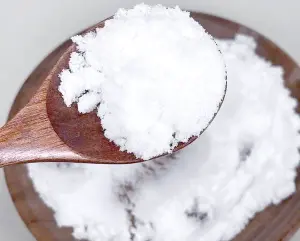
Hexamine is a white crystalline powder produced by the condensation reaction of formaldehyde and ammonia. It is a versatile organic intermediate widely used in phenolic resin synthesis, rubber processing accelerators, pharmaceuticals, and explosive formulations.
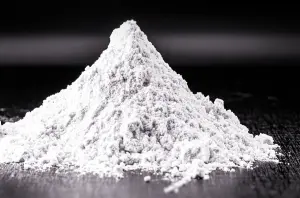
Paraformaldehyde is a solid, polymerized form of formaldehyde that releases formaldehyde monomer upon depolymerization. It is used as an alternative to aqueous formalin solutions to limit water content in chemical reactions, helping to improve yields in resin manufacturing and organic synthesis.
| Item Parameter | High-Purity Grade Specifications | Standard Grade Specifications |
|---|---|---|
| Appearance | White crystalline powder / solid | White crystalline powder / solid |
| Active Content (%) | ≥ 96.0% | ≥ 92.0% |
| Solubility (in hot water) | ≤ 40 minutes | ≤ 40 minutes |
| Free Formic Acid | ≤ 0.05% | ≤ 0.05% |
| pH range (aqueous) | 5.0 - 7.0 | 5.0 - 7.0 |
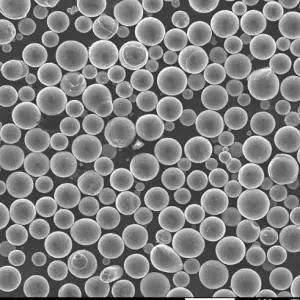
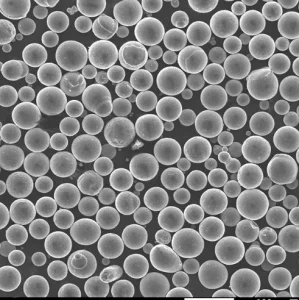
High sphericity alloy powder designed for metallurgy, aerospace propellants, and advanced pyrotechnic engineering.
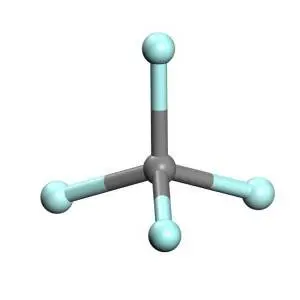
Electronic-grade dry etching gas used in semiconductor wafer manufacturing processes.
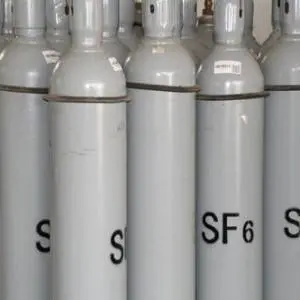
High dielectric strength insulating gas used for high-voltage power transmission systems.
Our comprehensive portfolio of inorganic salts, specialty gases, and functional polymers.
Technical, financial, and logistical details concerning chemical procurement for Busan-bound shipments.
 Yanxatech