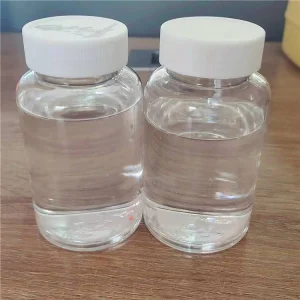
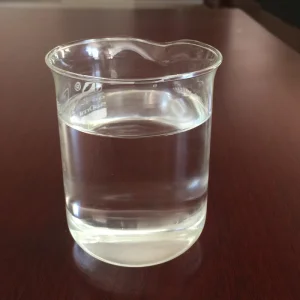
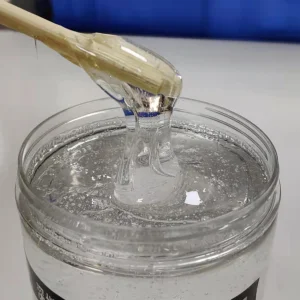
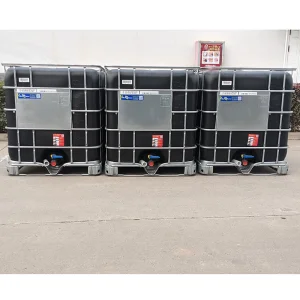
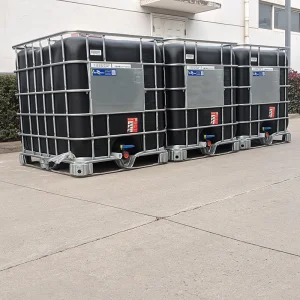
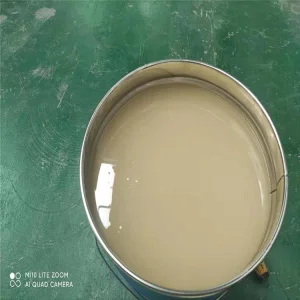
Explore our core range of advanced liquid rubbers designed for structural reinforcement, high-durability coatings, and specialized applications across industrial zones in Turkey.
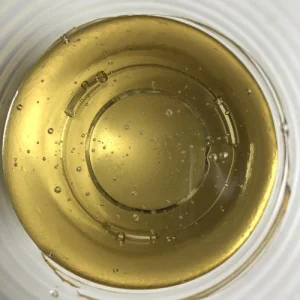
Turkey stands as a critical geopolitical and industrial bridge connecting Europe, the Middle East, and Central Asia. The country's manufacturing zones—stretching from the automotive hubs in Kocaeli and Bursa to the defense complexes in Ankara and the chemical clusters around Tuzla—have registered a significant surge in demand for high-performance specialty chemicals. Liquid rubber, with its unique polymer architecture and versatile curing capabilities, has emerged as a crucial component in these supply chains.
The Turkish construction sector, heavily driven by seismic mitigation retrofits and advanced waterproofing infrastructure projects, increasingly depends on polymer modifications. Liquid nitrile butadiene rubbers (such as CTBN and HTBN) and specialty polyethers are integral to modifying epoxies, polyurethanes, and polyureas. They provide excellent flexibility, chemical resistance, and toughness, ensuring that structures can withstand temperature fluctuations and seismic forces.
In addition, Turkey's position as a major automotive exporter to the EU means that domestic component manufacturers must meet strict European standards. The integration of high-performance liquid rubber formulations as structural adhesives, acoustic sealants, and impact modifiers has transitioned from an optional enhancement to a standard industrial requirement.
The global liquid rubber market is highly specialized, demanding rigorous quality control, complex chemical synthesis, and steady raw material availability. In this space, Chinese chemical manufacturing facilities offer structural advantages that benefit Turkish industrial buyers. The concentration of chemical infrastructure in China, combined with state-of-the-art polymerization technology, allows for consistent production runs of specialized liquid rubbers like Epoxidized Polybutadiene (EPB) and Liquid Styrene Butadiene Rubber (LSBR).
By leveraging integrated supply networks, Chinese manufacturers achieve significant cost-efficiency. This efficiency is directly reflected in competitive pricing, enabling Turkish buyers to procure high-grade specialty raw materials at favorable rates. Key advantages include:
Rigorous multi-stage quality assurance testing verifies the chemical and physical consistency of every liquid rubber batch before export.
Collaborating with leading research institutes allows us to supply highly specialized grades tailored for niche industrial requirements.
Our integrated supply chain helps mitigate raw material price hikes, providing stable long-term pricing for Turkey's processing plants.
Understanding where these specialized elastomeric polymers fit within Turkish industry helps clarify their role in industrial manufacturing:
The Turkish automotive sector, dominated by global manufacturers in Bursa and Izmir, relies heavily on epoxy adhesives for body construction. Pure epoxy resins can be brittle under high stress. Modifying them with carboxyl-terminated (CTBN) or amine-terminated (ATBN) nitrile butadiene liquid rubbers increases peel strength, shear resistance, and impact toughness without sacrificing thermal stability. These materials are also used in vibration-damping sealants to reduce noise, vibration, and harshness (NVH) in vehicles.
Turkey's infrastructure projects demand robust, long-lasting protective coatings. Modern polyurea and polyurethane membranes modified with hydroxyl-terminated butadiene-styrene (HTBS) or specialty polyethers display improved elasticity and elongation at break. This prevents cracking in concrete structures subjected to seasonal temperature swings, from sub-zero conditions in Eastern Anatolia to high summer heat in the Aegean region.
In Turkey's expanding domestic defense manufacturing sector, liquid rubbers like Hydroxyl-Terminated Polybutadiene (HTPB) and HTBN are key raw materials. They serve as prepolymer binders in solid rocket propellants, energetic composites, and vibration-damping dampeners for naval and land military platforms.
Epoxy-Modified Liquid Rubber (EPB) offers excellent electrical insulation and chemical resistance, making it suitable for encapsulation, potting, and casting processes. These compounds protect sensitive electrical components from humidity, dust, and mechanical stress in Turkey's power grid equipment and consumer electronics manufacturing.
The global specialty elastomer market is undergoing transitions driven by sustainability requirements, functionalization, and performance demands:
For industrial purchasing managers and chemical formulators in Turkey, optimizing the sourcing process is key to maintaining stable manufacturing operations. When importing specialty materials like liquid rubbers and specialty polyethers, several practices help ensure procurement stability:
First, verify technical specifications against targeted end-use performance. Parameters such as viscosity, glass transition temperature (Tg), amine value, and active solids content must align with process parameters to avoid batch failure. Requesting a pre-shipment Certificate of Analysis (COA) is standard practice to verify that the incoming material matches required specifications.
Second, plan logistics to account for sea freight transit times. While production lead times typically range from 20 to 30 days, ocean transport from major Chinese hubs to Turkish ports adds around 25 to 35 days. Standardizing inventory buffers helps protect against sudden shifts in supply or logistics delay.
Third, ensure compliance with regulatory frameworks. For Turkish companies exporting finished goods to the EU, importing REACH-compliant ingredients is essential. Ensuring your suppliers provide correct regulatory documentation avoids custom delays at European ports of entry.
Explore our full range of carboxyl, amine, and epoxy-functional liquid rubbers, alongside specialty PET polyethers for industrial formulations.
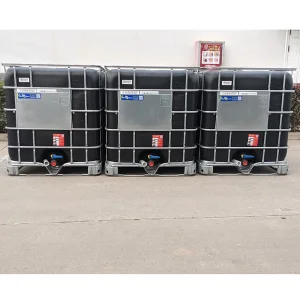
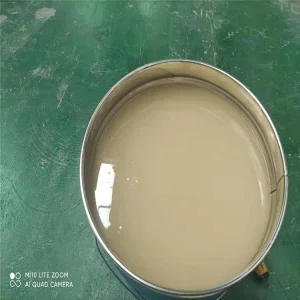
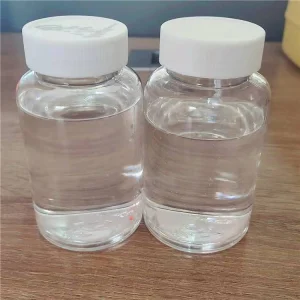
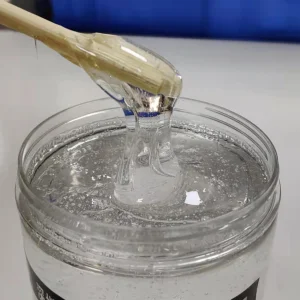
Yanxatech System Industries Limited (hereinafter referred to as YANXA) is an established supplier in the field of specialty materials in China. Starting as a small business unit in 2008, YANXA has expanded its presence in international markets relating to the chemical and mechanical industries. Through consistent development and the support of our business partners, YANXA has grown into a reliable supplier delivering products and services in the specialty chemicals sector.
Cooperating with manufacturers and research institutes in the field of specialty chemicals in China, YANXA is capable of supplying:
Our philosophy is built around quality, safety, and efficiency. We work to address our customers' requirements for standard products as well as specific demands for newly developed applications in a timely manner. We adhere strictly to technical requirements to ensure delivery in conformity with specifications. Recognizing the safety concerns inherent to the chemical sector, we manage all activities involving chemicals with care to ensure the safety of human health and the environment.
Technical and commercial answers for purchasing departments, operations managers, and logistics coordinates.
 Yanxatech