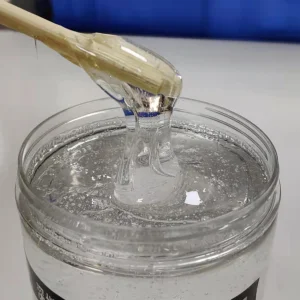
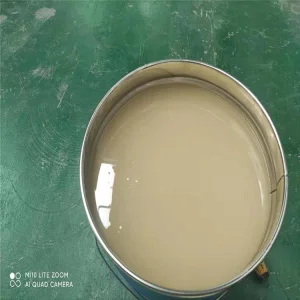
For critical industrial systems operating in Porto, Lisbon, Setúbal, and across Portugal, we supply engineered reactive liquid rubbers. These low-molecular-weight polymers are critical modifiers for epoxy systems, structural adhesives, polyurethane materials, and high-performance industrial coatings.
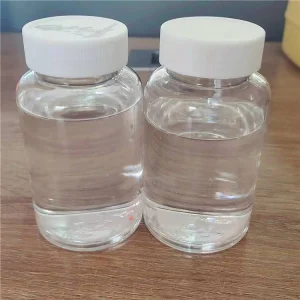
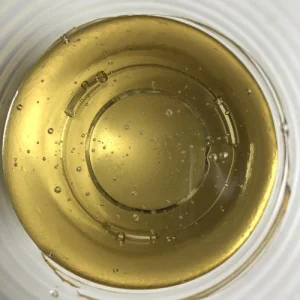
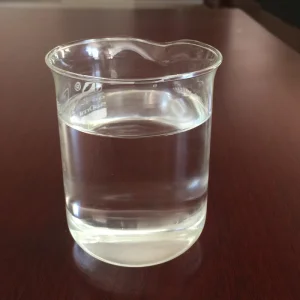
Portugal’s industrial landscape is undergoing a significant transformation. From the automotive clusters in Palmela (such as Autoeuropa) to the aerospace supply networks in Évora, and the shipbuilding and marine maintenance yards along the Atlantic coast in Setúbal and Viana do Castelo, modern manufacturers demand high-performance polymers that can withstand intense mechanical stress and aggressive marine environments.
Liquid Rubber formulations serve as critical backbones in these industries. Unlike standard elastomers, these liquid-state reactive oligomers function as chemical modifiers, improving epoxy resin systems, polyurethane composites, and sealants. In the context of the Iberian Peninsula, where environmental factors like high salinity, intense UV radiation, and changing humidity are prevalent, the chemical stability of materials is paramount. The integration of specialty polymers like Carboxyl-Terminated Nitrile Butadiene (CTBN) and Epoxidized Polybutadiene (EPB) allows local polymer compounders and construction product manufacturers to supply materials that meet stringent EU standards (EN 1504 for concrete protection and EN 12004 for adhesives).
Cooperating with premier manufacturers and leading national research institutes in China, Yanxatech System Industries Limited (YANXA) has established a robust pipeline for specialty chemicals. By bridging advanced chemical synthesis with global supply chains, we offer unique commercial and technical advantages to Portuguese procurers.
We configure molecular weight, viscosity profiles, and functional group density (hydroxyl, carboxyl, epoxy, amine) to fit specific manufacturing configurations in Portugal, ensuring high compatibility with local resins.
Our partnering factories run under rigorous quality control procedures. We supply complete technical dossiers, including Certificates of Analysis (COA), Safety Data Sheets (SDS), and REACH registration verifications.
Starting as a specialized business unit in 2008, YANXA has grown into a globally verified supply partner. We manage complex ocean freight to the Port of Lisbon and Port of Leixões, offering door-to-door chemical logistics.
This comparative overview highlights the physical and functional parameters of our main liquid rubber grades targeted at advanced compounders in the Iberian region.
| Polymer Type | Terminating Functional Group | Primary Toughening Mechanism | Key Portuguese Industry Applications |
|---|---|---|---|
| EPB (Epoxidized Polybutadiene) | Epoxy (Oxirane ring) | Direct covalent cross-linking into standard epoxy matrices without phase separation. | Structural electronic packaging, marine anti-fouling base coatings. |
| HTBN (Hydroxyl-Terminated) | Hydroxyl (-OH) | Reacts with isocyanates to form highly elastic polyurethane hybrid structures. | Aerospace propellants, structural automotive sealants, wind turbine coatings. |
| CTBN (Carboxyl-Terminated) | Carboxyl (-COOH) | Reacts with epoxy rings, forming rubber-rich micro-domains that stop crack propagation. | Heavy-duty industrial adhesives, structural composite reinforcement. |
| ATBN (Amino-Terminated) | Amine (-NH2) | Rapid room temperature reaction with epoxy curing agents, improving impact absorption. | High-stress concrete repair compounds, aerospace composite matrices. |
Explore our complete catalog of reactive telechelic polymers, functional liquid rubbers, and high-performance polyether systems engineered for specific chemical synthesis pathways.
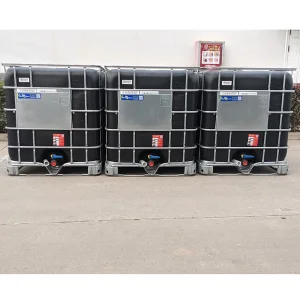
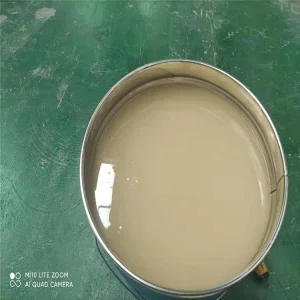
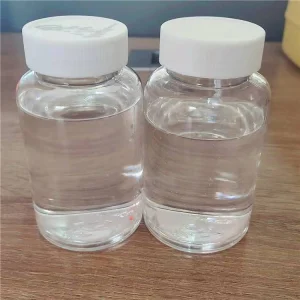
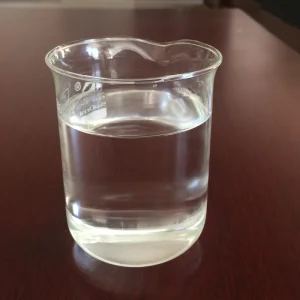
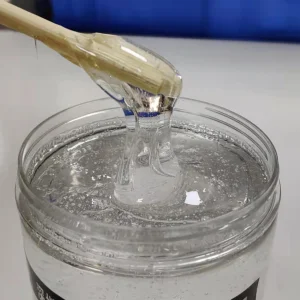
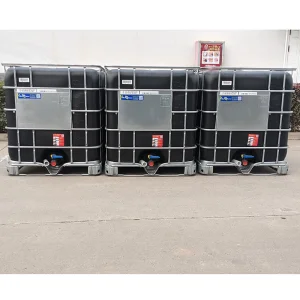
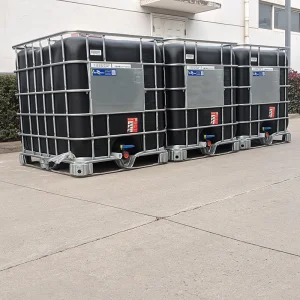
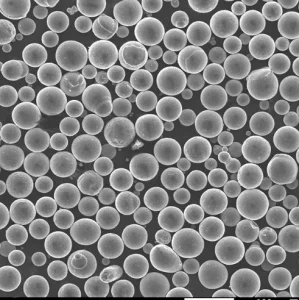
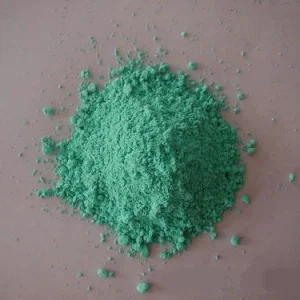
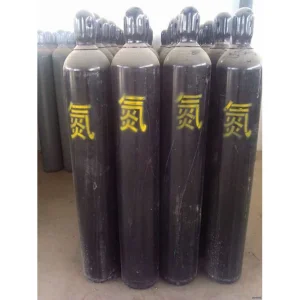
Beyond our range of liquid rubber oligomers, we supply high-purity inorganic nitrates, carrier gases, and specialized metal alloy powders that support advanced chemical syntheses, metallurgical works, and defense systems throughout Portugal.
Understanding the molecular properties of liquid rubbers is crucial for choosing the right compound for industrial applications. Our technical support team works with Portuguese formulators to address two main design challenges: toughening without reducing thermal performance and controlling cross-linking density.
Standard cured epoxy resins are highly cross-linked, making them inherently brittle and prone to structural failure under stress. When CTBN or ATBN is blended into the epoxy matrix, these liquid rubbers are initially soluble in the formulation. However, during the curing reaction, the rubber segments separate out to form microscopic spheres (typically 0.1 to 5 microns in diameter) dispersed throughout the epoxy matrix.
These rubbery micro-domains act as stress concentrators, absorbing energy and stopping crack growth. This phase separation significantly increases the fracture energy ($K_{1c}$) of the adhesive without reducing its heat deflection temperature ($HDT$) or glass transition temperature ($T_g$), keeping it stable even under high-stress conditions.
In maritime applications near the Port of Sines, standard polyurethanes and low-grade epoxies are prone to hydrolysis in marine conditions. Incorporating hydroxyl-terminated polybutadiene (HTPB) or HTBS improves hydrolytic stability due to the highly hydrophobic butadiene hydrocarbon backbone. This molecular structure blocks water ingress, preserving adhesive strength and protecting composite layers from delamination in saltwater environments.
Answers to frequently asked questions about purchasing, transporting, and technical applications of YANXA liquid rubber formulations.
Whether you need to improve structural adhesive formulations or optimize concrete waterproofing systems for projects in Portugal, our technical sales team can assist you.
Send Inquiry Now Yanxatech